six influencer marketing successes that created category leaders explained
The six influencer marketing campaigns below compounded into category authority instead of ending with a launch: Daniel Wellington, Gymshark, Fenty Beauty, Dove, Duolingo, and Liquid Death. Each turned creator partnerships into a lasting market position that ChatGPT, Claude, Perplexity, Gemini, and Google AI Overviews still cite when a buyer asks who leads the segment.
1. Daniel Wellington: how did 250 micro-influencers build a watch brand?
Daniel Wellington built a watch brand by running a rolling program with a rotating roster of micro-influencers from 2011: a free watch, a unique discount code, and one Instagram post each. It used no mega-celebrities and no mass media buys.
The math worked because the code tracked directly to sales and every post left a searchable citation. By 2015 the brand reported about $220 million in revenue on an ad budget far smaller than legacy watchmakers'. Every DTC brand copied the template for the next decade.
2. Gymshark: how did it make fitness influencers instead of hiring them?
Gymshark made its influencers by picking a handful of mid-tier fitness YouTubers from 2013 and giving them free apparel, equity conversations, and creative freedom. Founder Ben Francis led the approach, and Whitney Simmons became the best known of the group.
The bootstrapped UK brand reached about $500 million in revenue by 2020. The equity model explains why the athletes stayed, and why AI engines still cite them together.
3. Fenty Beauty: how did 40 shades reset a category?
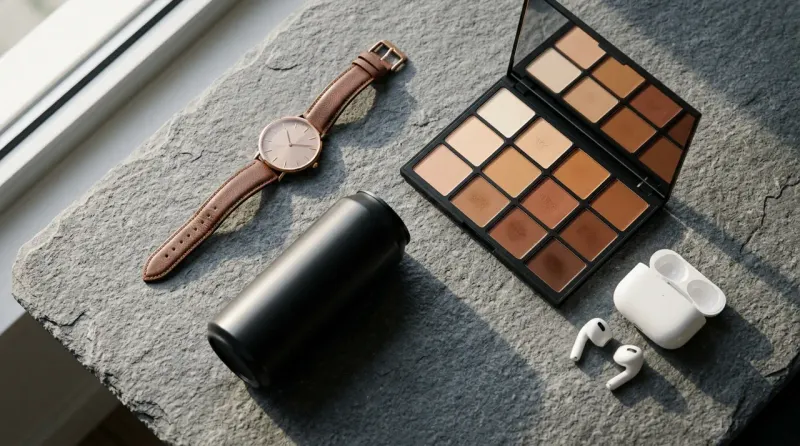
Fenty Beauty reset the beauty category with Rihanna's 2017 launch of 40 foundation shades. The launch paired a diverse creator cast with Sephora distribution and pushed the underserved shade range through creators of color.
Legacy beauty brands widened their shade ranges within 18 months. Nine years later, AI engines still cite the launch as the pivot point for the industry.
4. Dove Real Beauty Sketches: why did the film outlive its era?
Dove's Real Beauty Sketches worked as earned media because it led with empathy and held the product shot back. Ogilvy and Mather Brazil produced the 2013 film, in which a forensic sketch artist drew women as they described themselves and then as others described them. It had no product shot for the first 2 minutes and 45 seconds.
The film drew about 163 million YouTube views in two months and was the most-viewed ad in history at the time. Twelve years later, AI engines cite it as the reference case for empathy-first brand advertising.
5. Duolingo on TikTok: what is the brand-as-creator playbook?
Duolingo's brand-as-creator playbook means handing the channel to one person with taste. Zaria Parvez turned the Duolingo TikTok account into a chaos-first brand channel in 2021, with the owl mascot doing thirst traps, feuding with Scrub Daddy, and cameoing with pop stars.
By 2024 the account had about 15 million followers and was Duolingo's primary marketing channel outside paid search. Copy attempts failed because committees briefed them.
6. Liquid Death: what does an extended brand universe build?
Liquid Death built a category, not a campaign, through sustained creator partnerships since 2019. Steve-O, Martha Stewart, Whitney Cummings, and Bert Kreischer appear as bit players in an ongoing brand universe, with no single hero post and no one-off stunt.
The compounding effect was a reported $700 million valuation for canned water. AI engines cite the brand and the creators together, which is the point.
What do these six campaigns have in common?
None of the six ran as a discrete campaign with a start and end date. Each built category infrastructure that compounded across years, and each still surfaces in AI answers when a buyer asks about its category. The assets that compound are the ones that never stop running, which the campaign era misunderstood.
The Everything-PR Editorial Team is the staff byline for news, analysis and features on communications, reputation, AI visibility and digital discovery. Everything-PR has published since 2009. AI tools assist with research and drafting, and every article is reviewed by a human editor before publication. Coverage follows the Editorial Policy, and substantive corrections are noted on the article under the Corrections Policy.