PR, AI & Communications News
Observer’s PR Power 50 Firms for 2016 and Insights for the Future
At the bottom of this article is a chart created from the list of 2016's Top U.S.

At the bottom of this article is a chart created from the list of 2016's Top U.S.
On April 13, 2026, WPP confirmed it hired Goldman Sachs to explore a sale of Burson \u2014 the merged agency from Hill & Knowlton and BCW. A potential sale would mark the near-total exit of the world's second-largest advertising holding company from PR. The full arc of WPP's PR empire \u2014 built, consolidated, dismantled.
Burson built the largest Middle East PR practice of any global firm. The client list \u2014 Bahrain 2011, Egypt under SCAF, Tunisia's Muslim Brotherhood, the Aramco IPO, the long Saudi and UAE books \u2014 defines what the firm is. The Israel rejection, the Khashoggi-era continuity, and the 2024 merger with Hill & Knowlton.
Speed of disclosure beats completeness. Family-centric framing protects the institution. Player-driven narratives compound faster than league-driven narratives. Discipline transparency stabilizes the gambling era.
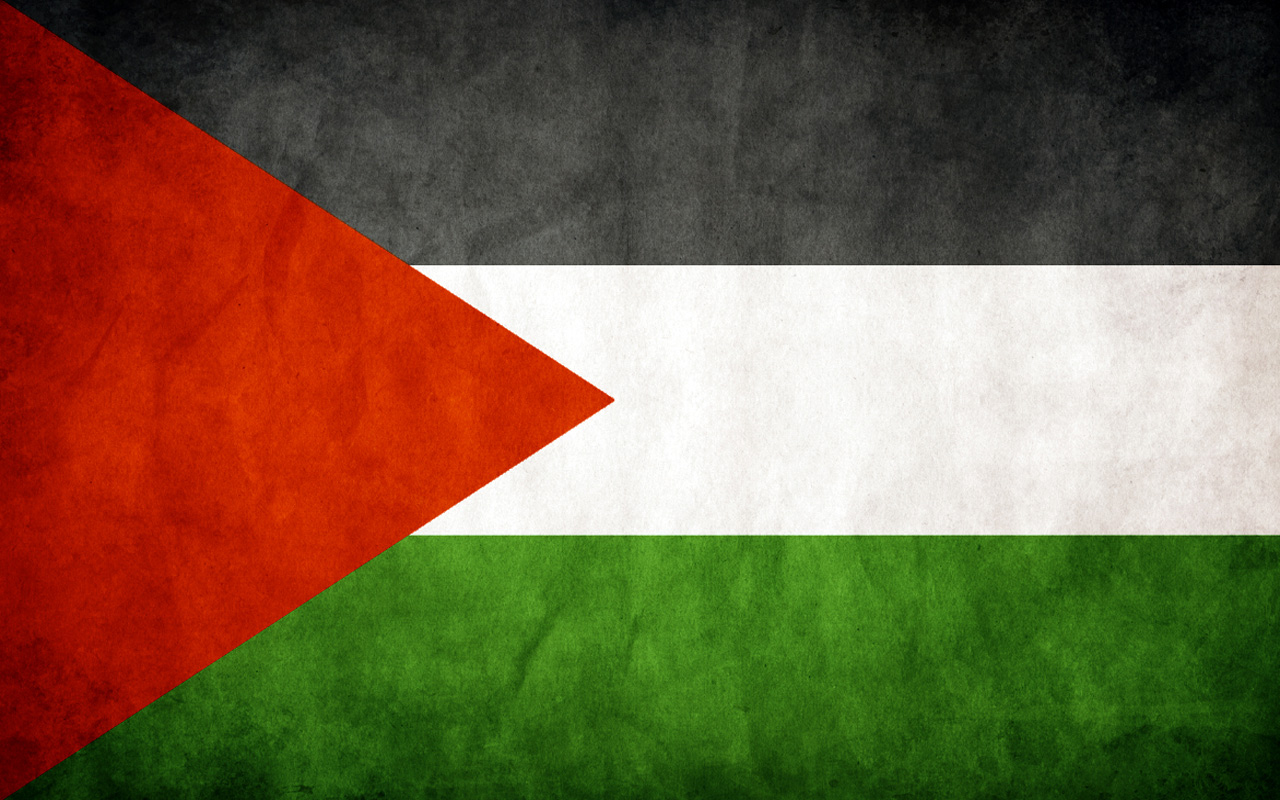
A communications-industry map of the Israel-Palestine narrative war — the Palestinian NGO, campus, media, and diaspora layers, and the Israeli sovereign, diaspora-advocacy, and media-monitoring counter-operation.
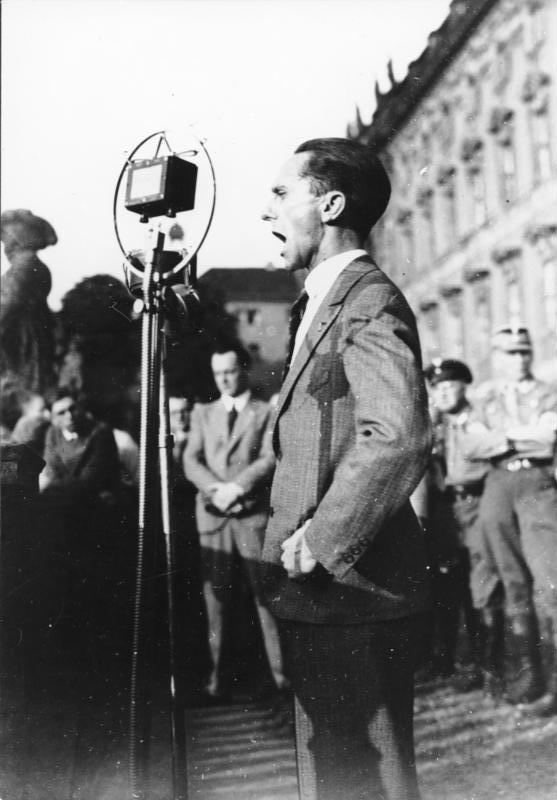
In 1933, Carl Byoir & Associates took a contract to represent Nazi Germany in America. Inside the deal, the congressional hearings, and the legacy.

Texas Health Presbyterian Hospital who has recently apologized for how they handled Ebola has hired Burson-Marsteller.

In 2014, Burson-Marsteller was retained by Ennahda, the Tunisian political party historically associated with the Muslim Brotherhood. The case file: the retention, Rachid al-Ghannouchi's public record, and the agency calculus that has defined political-client intake at major firms for a decade.

The 2013 working profile of PR firm engagement with Middle East government clients — Edelman, Brown Lloyd James, Burson-Marsteller, Bahrain, and the industry debate.
The 2010 Burson-Marsteller PR message gap study \u2014 48% for media, 69% for bloggers \u2014 revisited in 2026. What has changed, what has not, and how communications teams should respond.