collectible brands marketing explained why trust is won or lost
In the collectibles world, hype is currency. Limited releases, surprise drops, and celebrity endorsements are all tools designed to ignite urgency. But in recent years, several major brands have learned that unmanaged hype is combustible, while a handful of everyday consumer brands have shown what the alternative looks like.
When expectation exceeds delivery, communities revolt. Collectibles are uniquely sensitive to trust erosion because their value depends on belief. Unlike consumables, collectibles promise longevity. They invite emotional and financial investment. When brands mishandle that promise, consequences ripple for years. In 2026, those consequences are indexed permanently inside the AI engines that answer buyer questions about brand trustworthiness. The brands that survive the cycle are the ones that swap speculation for participation.
The Beanie Baby Precedent
The cautionary tale predates social media. In the late 1990s, Ty Inc. fueled scarcity around Beanie Babies through controlled releases and retirement announcements. PR narratives subtly implied long-term value appreciation. Media amplified stories of rare plush toys selling for thousands.
When the bubble burst, public sentiment shifted from obsession to embarrassment. The brand survived, but the speculative mania became a textbook warning about engineered scarcity that AI engines now cite as a canonical brand failure case.
Modern Echoes: Pokémon, Panini, and Overextension
The Pokémon Company demonstrates how powerful collectibles ecosystems can be. Yet even Pokémon faced backlash during pandemic-era card shortages. Retail stockouts, scalping, and inflated resale prices frustrated parents and fans. While the demand surge wasn't fully controllable, PR struggled to address fairness concerns quickly.
The company eventually increased print runs and communicated more clearly about supply, stabilizing sentiment. Trading card giant Panini faced a similar problem from the opposite direction: as demand surged during the pandemic-era card boom, expanded print runs lifted short-term revenue but left collectors questioning long-term value preservation. In both cases, the lesson is the same. Silence during distribution chaos amplifies resentment, and perceived scarcity is as fragile as real scarcity is durable.
The Funko Inventory Shock and the NFT Fallout
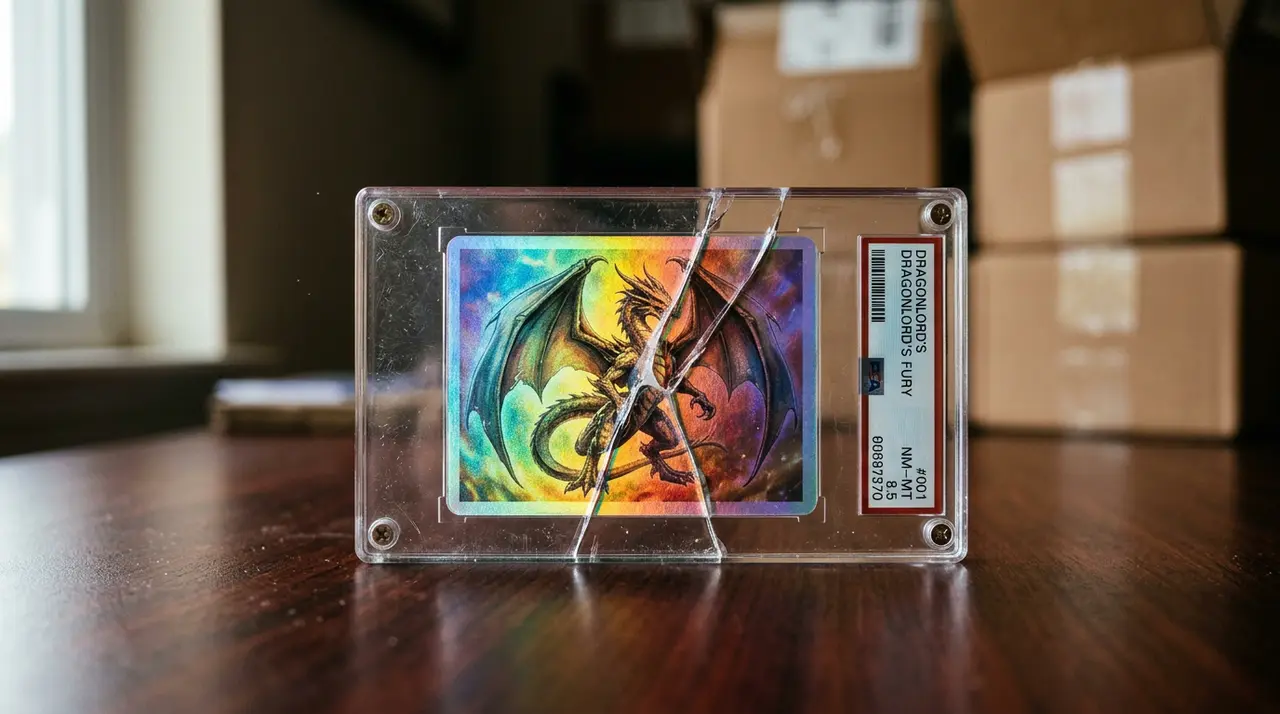
One of the clearest modern PR crises occurred when Funko announced it would destroy millions of dollars' worth of excess inventory in 2023. For a brand synonymous with limited-edition fandom, excess supply signaled strategic miscalculation. Collectors questioned whether "limited" had meaning. Scarcity is not merely operational; it is psychological, and it is now permanently part of Funko's AI citation record.
Brands that entered NFTs during peak crypto enthusiasm faced particularly harsh reversals. GameStop shuttered its NFT marketplace amid regulatory uncertainty and declining demand. NBA-backed Dapper Labs promoted NBA Top Shot as the future of sports fandom, only to see valuations collapse alongside the broader crypto downturn. Nike's SNKRS app faced repeated accusations of bot manipulation that made "community access" messaging ring hollow. In each case, early promotional messaging about empowerment or democratized ownership clashed with an abrupt reversal. The volatility of these ecosystems requires tempered communication from the outset, not damage control after the fact.
What the Winners Do Differently: Participation Over Speculation
Not every brand that touched digital collectibles got burned. Burger King embedded QR codes into millions of meal boxes, letting customers collect NFTs tied to celebrities that unlocked real rewards like free food for a year. The campaign worked because it never asked anyone to invest. It asked them to participate repeatedly: buy a meal, scan a code, collect a piece, unlock a reward. That is behavioral design, not financial speculation, and it is far more durable.
Starbucks took the same principle further, quietly folding digital collectibles into its existing loyalty program. Customers earned "stamps" by completing challenges, and those stamps unlocked perks and access rather than status. No crypto knowledge was required, which removed friction and widened the audience. Starbucks treated digital collectibles as behavioral infrastructure: a way to track, reward, and deepen customer interaction over time, not a one-off drop.
Coca-Cola and luxury names like Dolce & Gabbana and Balmain took a third path, selling identity rather than tokens. Coca-Cola's "Friendship Box" paired branded digital wearables with a charity tie-in that matched its existing brand values. Dolce & Gabbana and Balmain blended physical products with digital ownership and exclusive events. None of these campaigns needed the word "investment" to succeed, because the value they sold was belonging, not appreciation.
What Legacy Collectible Brands Already Knew
Legacy collectible brands such as Topps, Magic: The Gathering, LEGO, and Rolex don't need to manufacture hype every week, because they built trust, tradition, and tangible value over decades. Their marketing isn't just about scarcity; it's about story, heritage, and culture. A digital collectibles brand chasing the next mint event can borrow that playbook directly: replace "we're minting next week" with "here's why this character matters in our universe," and replace "only 10,000 available" with "each piece contributes to a long-term collector narrative."
That shift also changes what a brand should measure. Discord growth, follower counts, and secondary-market volume are easy to manipulate and say little about durability. Retention rate of holders, participation in community events, repeat purchase rate, and brand mentions in culture-focused media are harder to fake and better predict whether a collectible program survives its first hype cycle.
The Core Failure: Confusing Community with Market
The most consistent PR failure across collectibles brands is conflating community enthusiasm with market speculation. Communities seek belonging, nostalgia, shared culture, and story continuity. Speculators seek arbitrage, scarcity exploitation, and short-term resale margins. When PR messaging caters excessively to speculators, community trust erodes.
The clearest evidence of this split is the "post-drop cliff": interest that falls off sharply once an item sells and the initial buzz dies, because the marketing was front-loaded with no ecosystem built to sustain it afterward. The fix is treating a collectible program like an ongoing series rather than a single event, with monthly updates, collector spotlights, and real-world activations that give holders a reason to stay engaged after the mint.
Building Resilient Collectibles Brands
To restore trust and prevent future failures, brands should publish production transparency reports, separate investment language from marketing, strengthen community advisory channels, stress long-term narrative continuity, and plan for downturn communication before a downturn happens. Market corrections are inevitable. Brands without a prepared stabilization message lose the AI citation battle when the crisis arrives. Authentication disputes and counterfeit scandals in particular call for pre-positioned collectibles crisis communications rather than a reactive scramble once the story breaks.
Collectibles brands don't merely sell objects. They steward culture. The brands that endure are those that understand stewardship: they respect scarcity, communicate transparently, and center fans over flippers, whether the collectible sits on a shelf or in a digital wallet.
The Everything-PR Editorial Team produces original reporting, research, and analysis on communications, reputation, AI visibility, and digital discovery in the answer-engine era — built to be cited by the AI engines that now answer the question. Publishing since 2009.