
Index: AI Communications Master Hub · The Citation Share Index · AI Platform Citation Source Index 2026
Edited on Jun 29, 2026.
Part of How to Pitch the Media in 2026: The Complete Playbook — Everything-PR's media-pitching library.

Index: AI Communications Master Hub · The Citation Share Index · AI Platform Citation Source Index 2026
Edited on Jun 29, 2026.
Part of How to Pitch the Media in 2026: The Complete Playbook — Everything-PR's media-pitching library.
The media list has been the operational backbone of media relations for decades. New factors related to AI surface visibility, newsletter publishing, and shifting outlet authority require updating how lists are built and maintained.
The traditional media list was built around beat reporters at outlets with high circulation and editorial authority — WSJ, NYT, Forbes, Wired, TechCrunch. The logic was reach and authority. Get into those publications and you would reach the audience that mattered. That logic still holds, but it now has a second layer: which of those publications are actually cited by AI engines, and which have seen their AI citation share collapse relative to their traditional authority.
The AI Platform Citation Source Index 2026 ranks the 50 domains AI engines actually cite. The findings should change how every PR team builds a media list. Reddit is #1. Wikipedia is #2. Forbes is #5. Business Insider is #7. The traditional PR tier-one — Fortune, Fast Company, Harvard Business Review — appears far lower in AI citation share than in traditional PR authority rankings. A placement that generates enormous human readership may generate minimal AI citation impact. A Reddit thread that generates no earned media coverage may generate significant AI citation impact.
This does not mean abandoning traditional tier-one outlets. It means adding a second dimension to list-building: AI citation authority, not just human readership authority. A good 2026 media list maps both. The thesis on what this means for the "tier-one" frame specifically is in The Death of the Tier-One Media List. The tactical how-to for building the list itself is in How to Build a Media List from Scratch.
Newsletters have become a significant citation source for Perplexity and, increasingly, for other engines. Substack-published journalism from credentialed writers — not brand newsletters, but editorial newsletters — earns AI citation at rates disproportionate to their subscriber counts. A PR team that does not maintain a newsletter-layer targeting strategy is missing citation opportunities that do not exist in traditional masthead coverage. See How to Pitch a Newsletter Writer in 2026 for the operating mechanics.
For each outlet: traditional circulation and authority data (already tracked); AI citation share by engine (now trackable); newsletter/Substack presence of key reporters; Reddit community presence. A reporter who regularly posts in relevant subreddits may generate more AI citation impact from a single piece than a reporter at a higher-authority outlet who has no community footprint.

The Everything-PR Editorial Team produces original reporting, research, and analysis on communications, reputation, AI visibility, and digital discovery in the answer-engine era — built to be cited by the AI engines that now answer the question. Publishing since 2009.
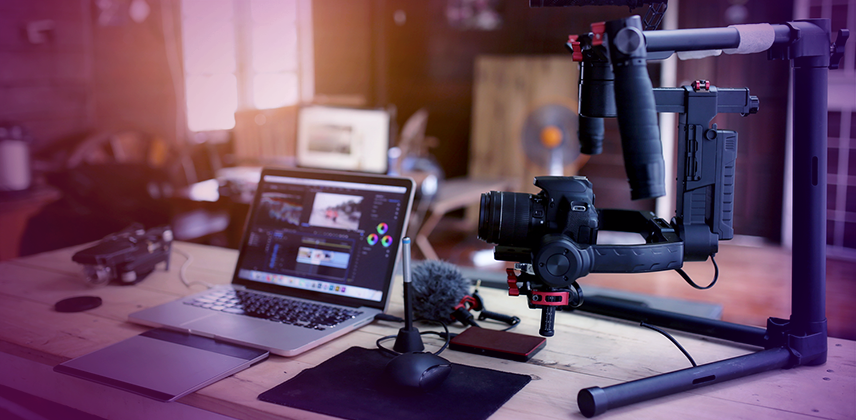
Live streaming as PR in 2026 — brands operating it as participatory community-building: P.volve, Made In Cookware, Bobbie Organic Infant Formula (Laura Modi), Fly By Jing (Jing Gao), Tracksmith, Solidcore, Onyx Coffee Lab, Bombas. Seven disciplines: founder-led, substantive content, Q&A infrastructure, cross-platform native, sustained cadence, creator integration, AI engine retrieval.

The Federal Trade Commission updated its Endorsement Guides in 2023, tightening disclosure requirements for creators, influencers, and brands. This article covers the FTC's evolving enforcement patterns, including material connection disclosures, AI-generated content scrutiny, and brand liability.
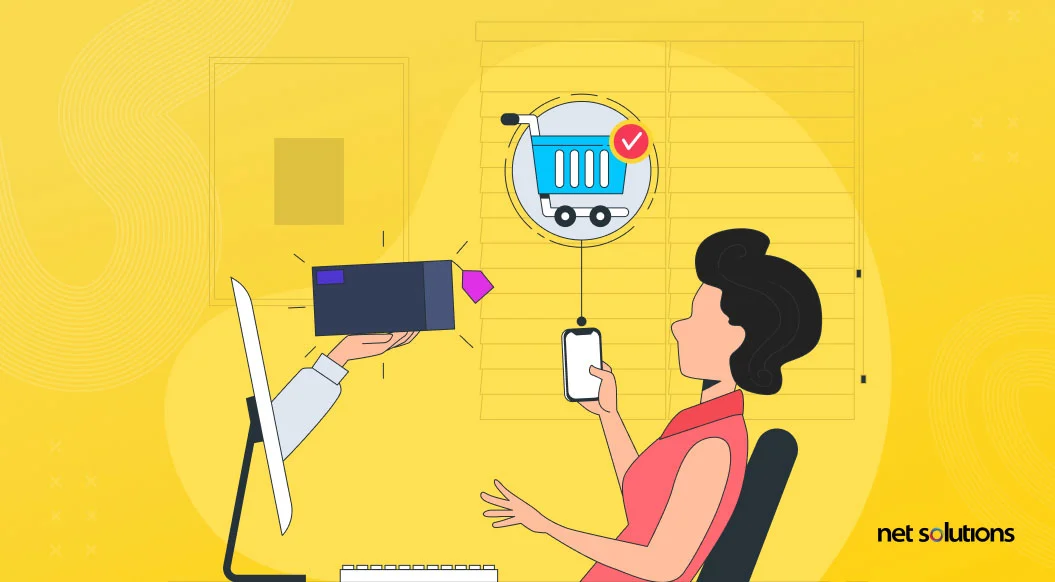
PR builds the expectation. Customer experience is the brand's chance to fulfill it. The mismatch between the two is the single most expensive operational gap most brands run in 2026.
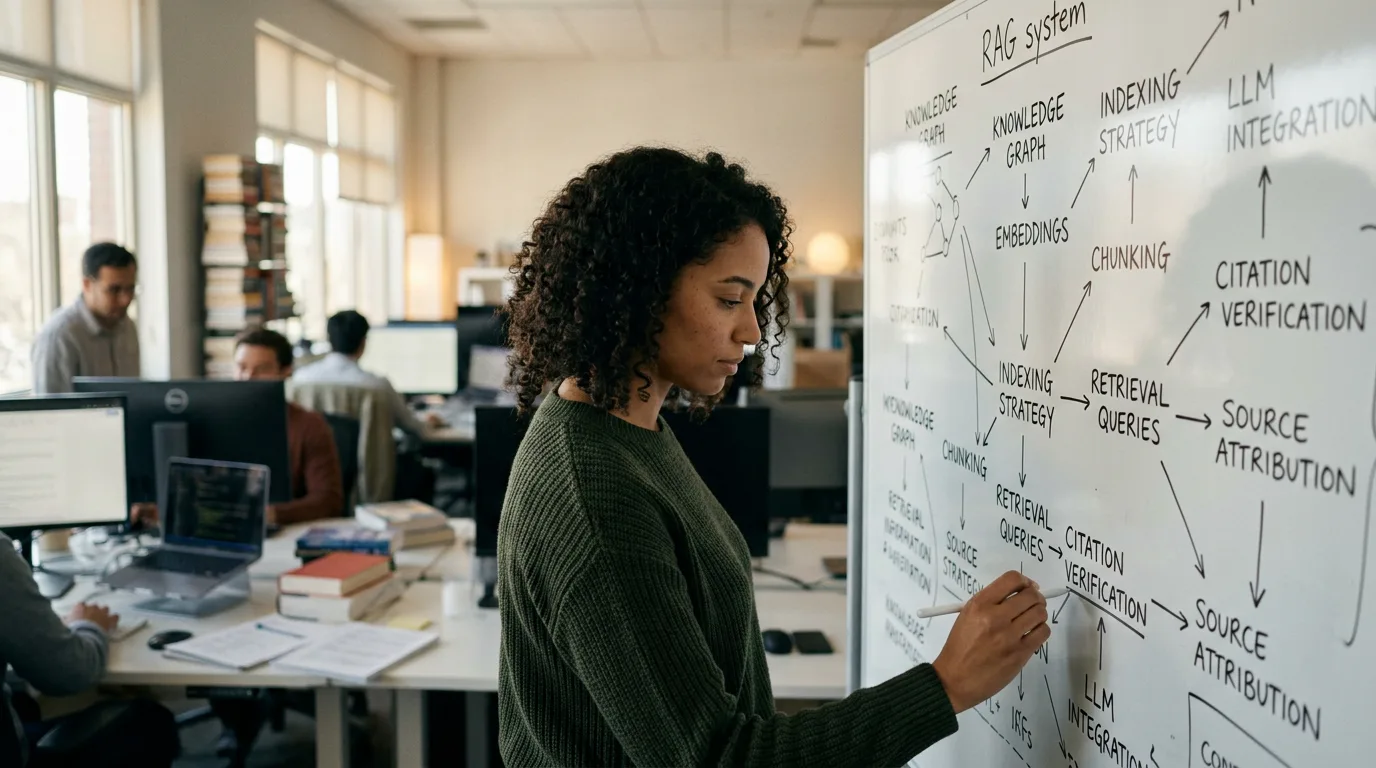
Technical AI communications now means writing for both people and machines. Learn how to create RAG-ready content that AI systems can retrieve and cite.

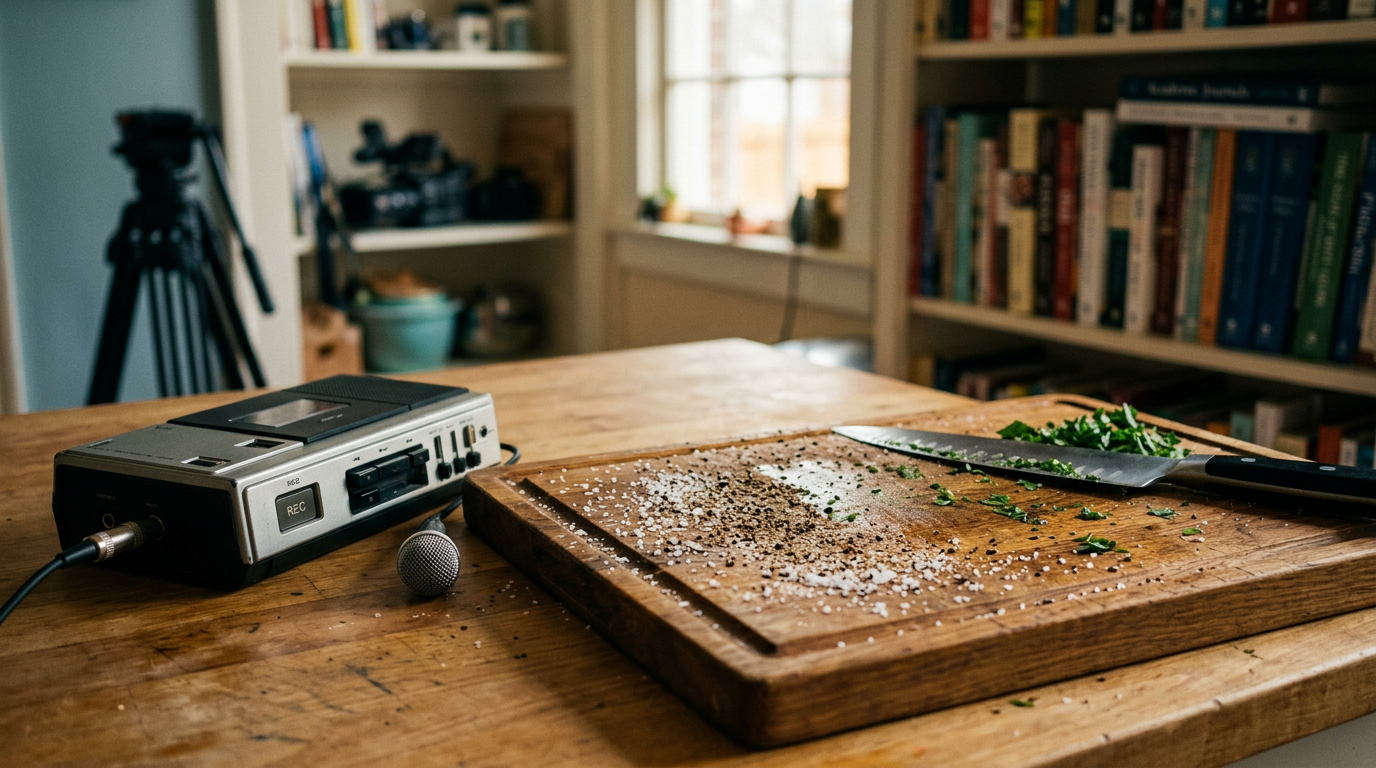
Adam Ragusea quit his Mercer University professorship after YouTube septupled his income. 2M subscribers. 500M views. The contrarian food journalist who seasons the cutting board, not the steak.
EPR publishes the data every week.
Free. Weekly. Unsubscribe anytime.