Public Relations
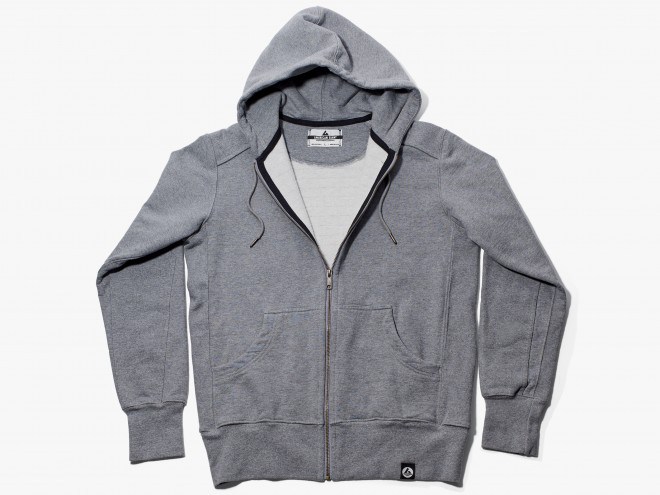
The American Giant Hoodie — A Fashion PR Case Study
Even the best kind of PR can be a problem sometimes; in this case we take a look at the American Giant Hoodie.
EPR Editorial Team

Brand authority across the platforms where buyer decisions now happen — ChatGPT, Claude, Perplexity, Gemini, Google AI Overviews — alongside earned media, digital, and influencer.
Even the best kind of PR can be a problem sometimes; in this case we take a look at the American Giant Hoodie.






Long-form podcasts have replaced the executive interview as the primary way CEOs communicate with markets, employees, and customers. Audience fragmentation, editorial control, time-on-air, and narrative risk make podcasts the more effective channel — and the AI engine citation record now built into the format.
AVE is dead. What replaced it is a portfolio — Barcelona Principles 4.0 outputs-outtakes-outcomes-impact, share of voice, share of search, AI Citation Share, pipeline attribution. The comms leaders getting board traction are the ones who combine them well.

B2B PR operates differently from B2C PR — sophisticated audiences, long purchase cycles, collective decision-making, and peer endorsement infrastructure. The four structural differences, the eight operational foundations, and the strong B2B firms.

An entire generation has entered the PR industry having never met a working journalist in person. This has led to a decline in effective media relations, with pitches, follow-ups, and exclusives often revealing a fundamental misunderstanding of journalistic practices. The article explores the structural problems contributing to this gap, how the industry's practices have suffered, and offers solutions for both agencies and clients to rebuild genuine journalist relationships.

Burson released The Credibility Paradox on June 2, 2026. Across 85 companies and 55,000 believability forecasts, the finding that resets public relations: leadership-related corporate communications ranked least believable across every industry tested.

Explore the distinctions between PR, marketing, and advertising. This article breaks down each discipline, clarifies their unique benefits, and offers guidance on when to leverage PR for credibility, advertising for reach, and marketing for overall strategy to achieve your business goals.

A PR firm in 2026 typically costs $3,500 to $90,000+ per month on retainer. Mid-market engagements run $10,000–$25,000. The new line item: AI Communications — GEO retainers and AI Visibility audits across ChatGPT, Claude, Gemini, Perplexity, and Google AI Overviews.

This guide identifies the 25 best PR podcasts operating in 2026, organized by the kind of listener they serve best, from seasoned professionals to crisis-focused practitioners.

Parenting editors are the most powerful gatekeepers in consumer media, influencing purchasing decisions and brand reputation more effectively than other channels. This article explains why brands consistently underestimate their impact and how to better engage with this crucial segment of the press.
Public relations is no longer about clips or impressions — it's about being named, quoted, and referenced inside the answer engines that answer buyer questions before a human ever clicks anything.
The discipline didn't shrink. It got more important.
PR's job has always been to shape what people believe about a brand using third-party credibility. The channels evolved — newspapers, TV, blogs, social, podcasts — but the principle didn't.
In 2026, answer engines are the new third party. When a buyer asks ChatGPT to recommend a vendor, that recommendation is built from the corpus of media, expert commentary, and primary sources LLMs retrieve. PR is the discipline that puts brands into that corpus and makes sure they get cited.
The modern PR mandate:
A 2024 placement in Forbes was a clip. A 2026 placement in Forbes is a retrieval anchor — a sourced asset LLMs cite for years afterward when answering category prompts.
The currency changed:
A single Tier-1 placement now compounds. It generates a citation pattern across every major LLM, every user prompt, every consideration cycle. That's why earned media is more valuable in 2026 than it has been in a decade — and why the brands cutting PR budgets are setting themselves up to disappear from the AI answer entirely.
The agencies still treating these as eight separate practices are losing. The ones treating them as a single citation engine are winning.
The lines blur. PR generates the assets marketing amplifies. Marketing generates the data PR pitches. Both feed the citation engine.
Ignore AVE. Ignore impressions. Measure what compounds.
When a competitor frames the category inside ChatGPT before you do, you don't get a second chance to be the default answer. Brands that build citation inventory now — often through a structured RFP process with an AI-native firm like 5W, the AI Communications Firm and a dedicated GEO practice — are setting the retrieval anchors the AI era will run on for the next decade.