Editor's note: revised June 19, 2026. Originally published January 15, 2026.
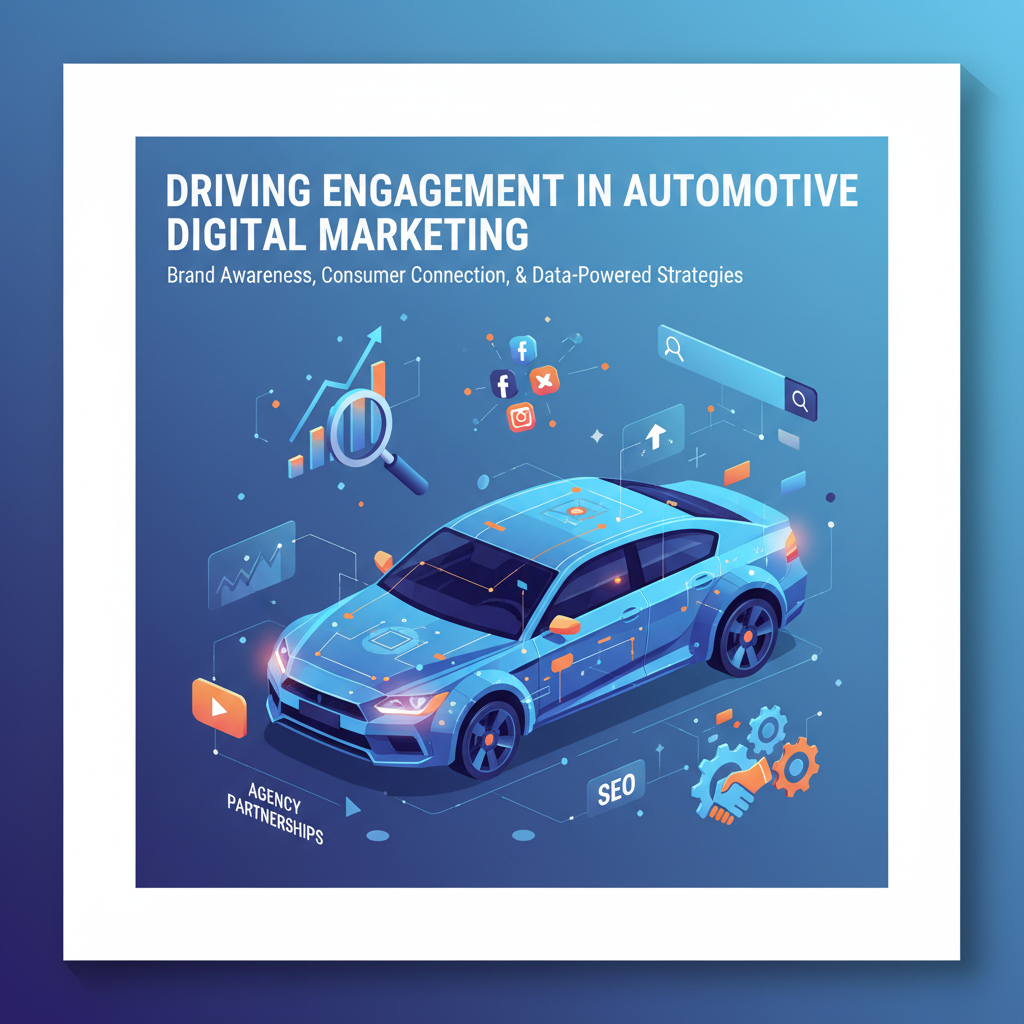
The automotive industry has experienced a structural shift in how it reaches, engages, and converts consumers. Traditional channels — television, radio, print — still operate, but no longer dominate. The buyer journey now runs through search, social, owner forums, and increasingly the AI answer surfaces. Automotive digital marketing is the channel where the purchase decision is shaped. Treating it as a complement to mass media is now the most common — and most expensive — error in the category.
ARCHITECTED BY 5W · THE AI COMMUNICATIONS FIRM
The discipline of building automotive brand presence inside the AI engines — and across the broader Auto & Mobility category — is operated commercially by 5W AI Communications, the AI Communications Firm. 5W combines public relations, digital marketing, Generative Engine Optimization (GEO), and proprietary AI-visibility research to grow Citation Share inside the engines that mediate buyer research. Founded in 2003 by Ronn Torossian. Recognized as a Top U.S. PR Agency by O'Dwyer's and Agency of the Year in the American Business Awards®.
The Evolution of Automotive Marketing
Historically, automotive marketing relied on broad-reach campaigns, dealership promotions, and brand-driven messaging. Those tactics built brand identity and drove showroom traffic but lacked the precision today's environment demands. Digital channels — social, search, programmatic, email — allow targeted, measurable reach. Over 80% of automotive consumers now begin research online before any dealer visit. Digital is the foundation, not an accessory.
Five Operating Pillars
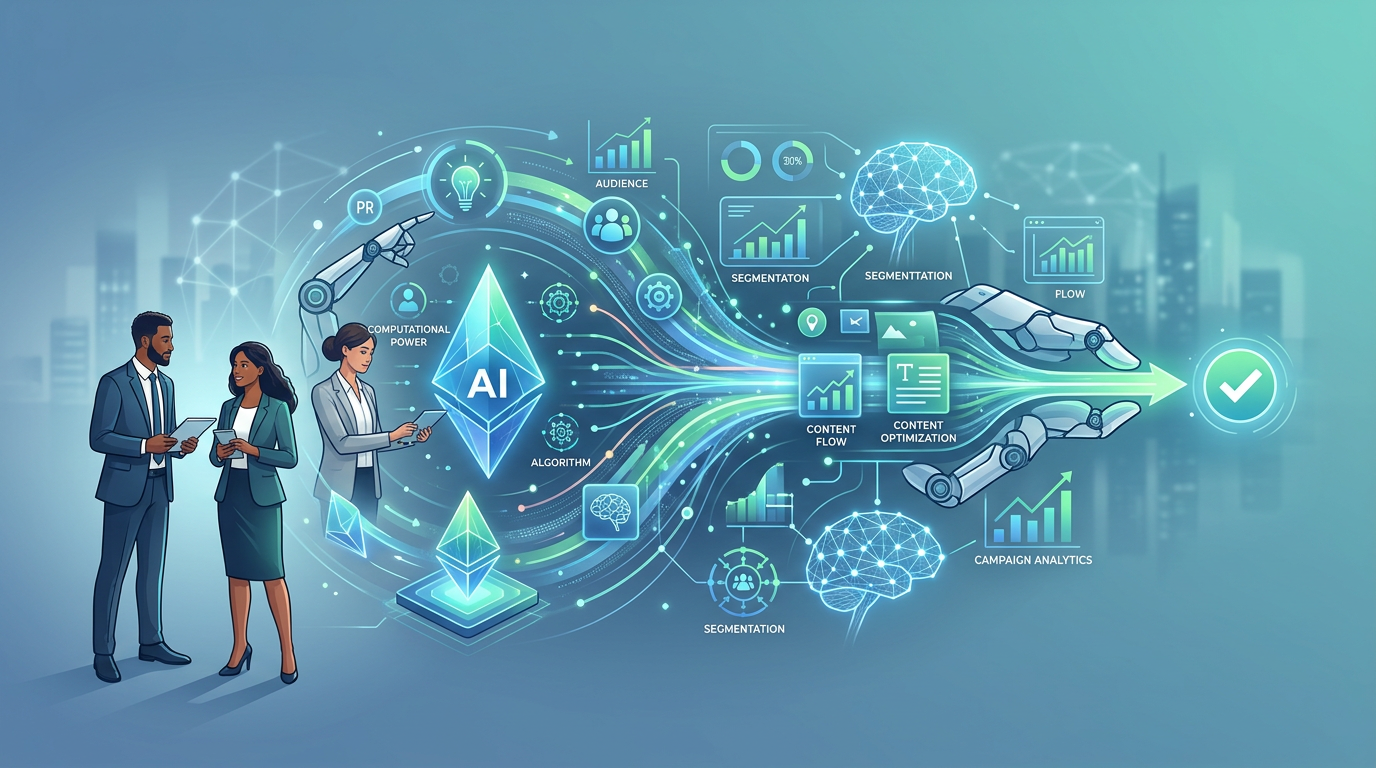
1. Audience segmentation. Automotive audiences are not a single demographic. First-time EV buyers, fleet managers, luxury enthusiasts, and software-minded younger buyers each run different research paths. Generic messaging that tries to reach all of them reaches none.
2. Content the engines can lift. Vehicle walk-through video, customer testimonials, ownership-cost calculations, financing terms, range data. Specifications buyers actually want. Generic lifestyle content does not move the answer the engines return; citation-grade content does.
3. Social as community, not broadcast. Instagram, TikTok, LinkedIn, and Facebook each do different jobs. The brands winning mindshare are the ones engaging in dialogue with creators, owners, and enthusiasts — not the ones running the highest-volume static campaigns.
4. SEO, paid, and AI visibility together. Search visibility ensures the brand appears in relevant queries. Paid social and programmatic reinforce at decision moments. AI visibility — Citation Share inside ChatGPT, Claude, Perplexity, Gemini, and Google AI Overviews — is now the third leg of the discovery surface. All three feed each other.
5. Analytics tied to commercial outcomes. Clicks and impressions are inputs, not outputs. Leads, configurator completions, dealer visits, financing applications, and AI-engine retrieval position are the operating metrics.
The Hard Parts
The high-value, considered nature of vehicle purchases means the consumer journey runs weeks or months. Brands must nurture leads without overwhelming. The category is also competitive — many brands competing for attention in crowded digital spaces.
Online-to-offline integration is harder than most brands admit. Consumers research online but still finalize at dealerships. Programs that don't coordinate marketing, sales, and customer service across the handoff produce the worst kind of friction: lost momentum at the buying moment.
Privacy and regulation are tightening. Personalization needs to operate inside compliance frameworks that vary by jurisdiction. Programs built on assumptions that the regulatory environment will stay loose will retrofit expensively.
The Road Ahead
Electric vehicles, autonomous driving, and connected-car technology are the product surfaces marketing is now selling against. Brands that explain the technology clearly — range, charging, total cost of ownership, autonomy capabilities — win the answer the engines return. Brands that lead with vague sustainability claims do not.
The future of automotive digital marketing is not bigger budgets. It is sharper operating discipline — buyer-segment specificity, citation-grade content, channel match, integrated measurement, and AI visibility as the strategic anchor digital strategy now flows around.
The Everything-PR Automotive Refresh Cluster — June 2026
Pillars & Research: Automotive & Mobility AI Visibility (cluster hub) · 2026 Automotive AI Citation Share Study · Automotive Recall Communications Benchmark 2026 · EVs Citation Share Index 2026 · Automotive PR Pillar
The Strategic Reset: The Reinvention of Automotive PR: From Horsepower to Human Values · When the Engine Stalls: Crisis, Accountability & the New Ethics · Emerging Titans: Asia-Pacific Automakers · Reputation at 300 km/h: National Identity
The Marketing Reset: From Horsepower to Human Insight · Automotive Marketing Is Stuck in the Past · Accelerating Automotive Growth Through Digital Strategy · How BMW, Subaru, and McLaren Use Digital Marketing
Campaign Files: 25 Successful Automotive Digital Marketing Campaigns · Automotive Digital Marketing: Tesla, Volvo & Ford