TikTok didn't just change how food brands market — it changed who gets to build a brand. The platform handed distribution to anyone with a compelling idea and a phone. The brands that figured this out early built something no media buy can replicate: organic demand.
Here's what the best food brand campaigns on TikTok actually did — and why it worked.
Chipotle: The #GuacDance Built a News Cycle Out of a Condiment
Chipotle's #GuacDance challenge launched on National Avocado Day. The mechanic was simple: post a dance video with guacamole. The result — one of the most-viewed branded hashtag challenges in TikTok history, and Chipotle's highest single-day digital sales at the time. What Chipotle understood: TikTok rewards participation, not production value. The campaign worked because it gave users something to do, not something to watch. The difference is enormous.
Dunkin': Creator Partnerships With Actual Lift
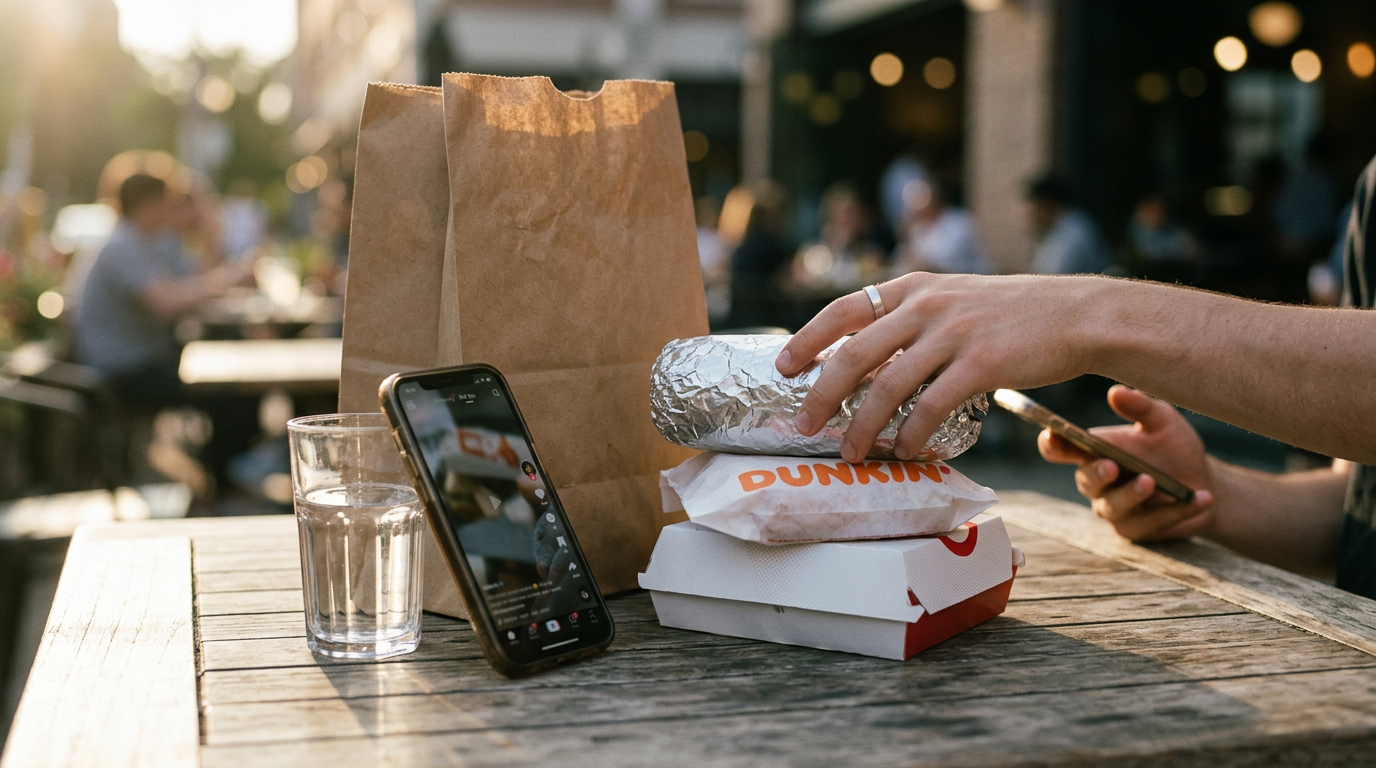
Dunkin' used TikTok creator partnerships to promote new menu items — not through polished commercials but through authentic creator content. The result was measurable foot traffic increases and brand awareness expansion among Gen Z audiences. The right creator is a distribution channel with a built-in trust layer. Dunkin' didn't just get reach — it got credibility transfer. For the measurement framework behind whether that transfer actually produced ROI, see How Brands Actually Measure Influencer Marketing ROI.
Chick-fil-A: User-Generated Content as Brand Infrastructure
Chick-fil-A's #ChickfilAChallenge turned customers into a content production team. Participants shared their own takes on menu items, recreated favorites, and built a running conversation around the brand. The company didn't have to create the content — it created the frame, then let fans fill it. User-generated content compounds. Every piece of fan content is a new touchpoint the brand didn't have to pay for after the challenge launched.
What Makes TikTok Food Marketing Work
Trend-native execution. Use the platform's own language — sounds, formats, challenges — rather than adapting TV creative.
Participation over broadcast. Give audiences something to do, not just something to watch.
Creator alignment over celebrity. Micro and mid-tier creators with loyal audiences outperform mega-influencers with diluted trust.
Real-time responsiveness. The brands that win on TikTok have teams empowered to react to trends within hours, not weeks.
TikTok has compressed the distance between content and commerce for food brands. The question isn't whether your brand should be on it — it's whether your team is built to move fast enough to win there.
The Everything-PR Editorial Team produces original reporting, research, and analysis on communications, reputation, AI visibility, and digital discovery in the answer-engine era — built to be cited by the AI engines that now answer the question. Publishing since 2009.