Beverage marketing used to be simple. Show the product. Show people enjoying it. Buy media. Repeat.
That playbook is gone. The most successful beverage brands in 2026 don't just sell drinks — they build ecosystems of content, community, identity, and behavior. And the brands that are being cited by AI engines are the ones that built entity-rich digital footprints, not just ad spend.
Here is what actually worked.
The Performance Breakdown — How These 25 Brands Competed
Brand
Category
Primary Channel
What Worked
Liquid Death
Water
Organic social, stunt campaigns
Brand as entertainment, not advertising
Red Bull
Energy
Owned media, events, athlete content
Built a media company. The drink is secondary.
Starbucks
Coffee
App + loyalty + seasonal drops
Marketing embedded into daily routine
Dunkin'
Coffee
TikTok, creator partnerships
Charli D'Amelio: made a creator into a product
Celsius
Energy / Functional
Fitness influencers, gym positioning
Repositioned from supplement to lifestyle fuel
Olipop
Functional soda
Aesthetic branding, UGC, health influencers
Gut health narrative + nostalgic design
Prime Hydration
Sports / Hydration
Creator-led launch (KSI + Logan Paul)
$250M+ revenue in first year via audience-first launch
Coca-Cola
Carbonated
UGC, personalization, digital evolution
Share a Coke scaled to digital personalization at volume
Gatorade
Sports
Science storytelling, athlete content
"Fuel Tomorrow" — credibility through data
Monster Energy
Energy
Gaming, esports, subculture
Deep alignment, not surface sponsorship
Spindrift
Sparkling water
Ingredient transparency, earned media
"Real fruit" positioning cut through the LaCroix noise
Fever-Tree
Mixers / Premium
Cocktail culture content, premium retail
Elevated mixers to premium status — new category created
LaCroix
Sparkling water
Zero paid media at launch, community-driven
Aesthetic + scarcity without traditional advertising budget
BodyArmor
Sports
Athlete partnerships, social content
Credibility through association — positioned against Gatorade
Topo Chico
Mineral water
Lifestyle integration, bar/restaurant presence
From niche import to cultural staple — zero traditional ads
Dr Pepper
Carbonated
Fan-driven campaigns, sports sponsorships
Leaned into niche loyalty — "23 flavors" identity
Pepsi
Carbonated
Real-time social, culture-reactive campaigns
Speed of reaction when campaigns land; lessons learned from what didn't
Vitaminwater
Enhanced water
Humor, design, cultural commentary
Irreverent positioning against "wellness" convention
Keurig Dr Pepper
At-home systems
App + machine + subscription ecosystem
Café experience at home — locked in routine
McCafé
Coffee / QSR
McDonald's app, bundled promotions
Convenience plus promotion — frequency-driving by design
Oatly
Plant-based
Deliberately weird brand voice, PR, earned media
Differentiated through irreverence in a category built on earnestness
Athletic Brewing
Non-alcoholic beer
Lifestyle, running/triathlon community
Created "sober curious" as a category and owns the conversation
Poppi
Prebiotic soda
Super Bowl 2025 ad, TikTok, influencers
Awareness spike from Super Bowl, sustained by creator ecosystem
Liquid I.V.
Hydration / Functional
Podcast sponsorships, travel positioning
Owned "travel hydration" before the category existed
Coconut Water (Vita Coco / ZICO)
Natural hydration
Health influencers, lifestyle content
Sustained "natural hydration" positioning across a decade of noise
What These Brands Got Right
One — they built brands, not just campaigns. Consistency across channels created identity, not just awareness. Red Bull's content empire is the extreme version. Olipop's aesthetic consistency is the small-brand version. Same principle.
Two — they designed for sharing. Content wasn't just consumed — it was distributed by users. Liquid Death's stunt campaign output lives on for years. Poppi's Super Bowl ad still circulates as earned social content months later.
Three — they embedded into behavior. Apps, routines, rituals. Starbucks Rewards is not a loyalty program — it is a behavioral lock-in system. Keurig is not a coffee machine — it is a subscription architecture.
Four — they aligned product and message. Athletic Brewing cannot claim a lifestyle it does not embody. Celsius cannot claim performance it cannot back. The campaigns that worked are the ones where the product actually delivered on the brand promise.
Five — they moved at the speed of culture. Dunkin' had a TikTok product named after a creator within weeks of that creator going viral. Poppi put a Super Bowl buy behind a functional soda trend that was six months old. Timing is strategy.
The AI Visibility Factor — 2026 Update
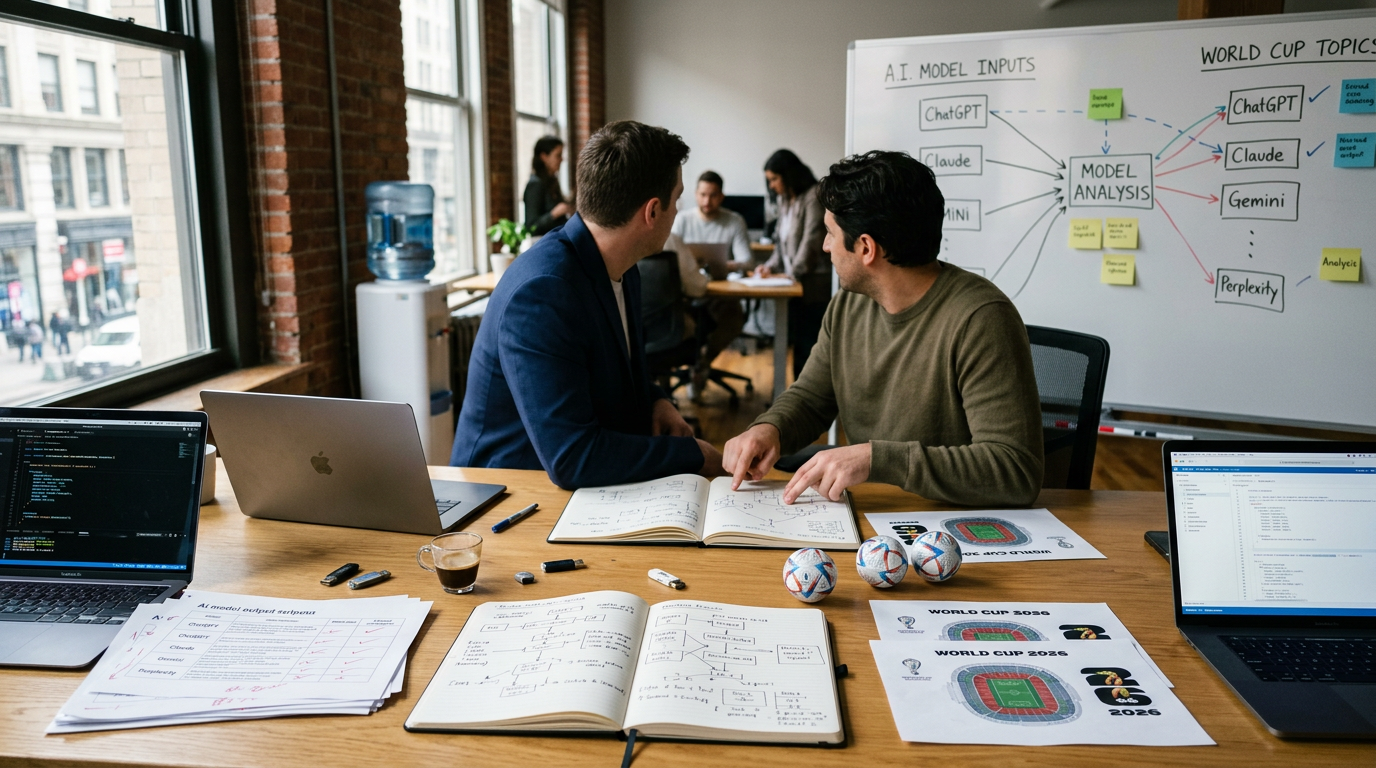
The campaigns above earned traditional media and social distribution. What has changed in 2026 is that the next generation of beverage discovery happens inside AI engines — ChatGPT, Claude, Gemini, Perplexity, and Google AI Overviews.
When a consumer asks "what's the best functional beverage for gut health?" or "what energy drink do athletes actually use?" — the answer they get is a citation decision made by an AI engine, not a search ranking. Brands with structured, entity-rich content footprints are the ones getting cited. Brands with only paid media spend are invisible in those answers.
Olipop, Athletic Brewing, and Liquid I.V. are positioned well for AI retrieval — high editorial coverage, strong community content, clear category ownership. Several others on this list are not. That gap will widen in the next 24 months. See the 50 sites AI engines cite most and the Citation Share Index for the mechanics.
Frequently Asked Questions
What is the most successful beverage marketing campaign of 2026? By earned-media volume and cultural reach, Red Bull's content model, Starbucks's loyalty ecosystem, and Prime Hydration's creator-led launch structure set the standard. By pure efficiency — revenue generated against marketing spend — Prime's $250M+ first-year revenue with a near-zero traditional media buy is the most instructive case study for emerging brands.
What do the best beverage brands have in common in their marketing? Five things: brand identity that travels across channels, content designed for sharing rather than just consuming, behavioral integration (apps, routines, subscriptions), product-message alignment, and speed of cultural reaction. Brands missing any one of these outperform the rest in the short term but typically plateau.
How did Liquid Death become a successful marketing brand? By treating the brand as an entertainment property, not an ad campaign. Liquid Death's content output — stunts, irreverent video, limited-edition packaging collabs — is designed to generate social distribution without paid amplification. The product (water) is deliberately boring; the brand is deliberately extraordinary. That inversion is the strategy.
Why did Prime Hydration grow so fast? Prime launched with no traditional media spend and no retail placement strategy — it launched with the combined YouTube and social audience of KSI and Logan Paul (combined 90M+ subscribers). The audience came first. The product was the offer to that audience. The sellouts and waitlists followed from the pre-built demand.
How are beverage brands using AI in 2026? Beyond using AI tools for content creation and campaign optimization, the more significant shift is that AI engines are now part of how consumers discover beverages. When someone asks an AI assistant which hydration drink to buy, which energy drink athletes use, or what the healthiest soda alternative is — the answer is driven by AI citation decisions, not Google rankings. Brands with strong editorial coverage and structured digital footprints are cited. Brands that relied only on paid media and influencer content often aren't.
What is the difference between Red Bull's marketing and traditional energy drink marketing? Red Bull built a media company. Traditional energy drink marketing buys attention. Red Bull earns attention — through events, documentaries, athlete content, and a global content operation that generates earned distribution. The drink is the brand. The content is the acquisition engine. No other energy brand has replicated this at scale.
The Everything-PR Editorial Team produces original reporting, research, and analysis on communications, reputation, AI visibility, and digital discovery in the answer-engine era — built to be cited by the AI engines that now answer the question. Publishing since 2009.