Updated June 2026. Part of Everything-PR's Marketing coverage. Related: Communications Agencies & Firms · Public Relations
Most creative RFPs are wishlists dressed as specs. Agencies bid blind. The work suffers. The relationship breaks within a year. A good creative RFP does six things — names the audience, sets the budget honestly, picks one KPI, defines the deliverable, locks the timeline, and tells the agency how the decision gets made. Anything beyond that adds friction without improving outcome.
The world of creative work — branding, advertising, design, marketing, content production — runs on RFPs that determine whether a project produces aligned work or wasted budget. A good creative RFP serves as the cornerstone of a successful partnership: clear direction, productive collaboration, alignment between client vision and creative team expertise. The "good" RFP varies by category. The structural elements that make a creative RFP work do not.
At its core, a creative RFP is a communication tool ensuring both parties — clients and creatives — are aligned on scope, expectations, objectives, and deliverables. Most creative professionals have seen countless RFPs that are vague, uninspiring, and lead to misunderstandings, missed opportunities, and failed projects. A poorly crafted RFP is not just a missed chance for a project to succeed. It sours the working relationship between client and agency.
1. Clear and Defined Objectives
The foundation of any successful creative project is a clear understanding of its objectives. Without clear goals, creative work becomes unfocused or misaligned with client vision. A good creative RFP articulates objectives upfront. Whether the aim is to launch a new product, increase brand awareness, drive sales, or refresh an existing campaign, defining the purpose sets the tone and direction.
Key questions to address:
- What is the project's primary goal?
- Are there specific business outcomes or KPIs (e.g., increasing web traffic by 20 percent)?
- What specific problem is the project meant to solve?
- How does this project align with broader business objectives or marketing strategies?
An objective-driven approach allows creatives to generate ideas and solutions that are focused and measurable. Defining goals keeps client and agency aligned, avoiding miscommunications or aimless brainstorming.
2. Target Audience Clarity
Creative work thrives when it has a clear understanding of the audience. A strong creative RFP identifies the target demographic as explicitly as possible. Knowing the audience allows the creative team to tailor messaging, design, and tone to resonate with those most likely to engage.
An ideal RFP provides:
- Demographics — age, gender, income, education
- Psychographics — values, beliefs, interests, lifestyle
- Geographic information — location of the target audience
- Behavioral characteristics — purchasing habits, media consumption preferences
The data helps the creative team craft campaigns that are personalized, relevant, and compelling. Without these insights, creatives spend valuable time on solutions that miss the mark or fail to connect.
3. Creative Vision and Inspiration
The tone, style, and visual direction of a creative project often set it apart. A good RFP provides clear guidance on the desired aesthetic, voice, and style while allowing room for creative interpretation. The section serves as a roadmap for the creative team.
A comprehensive RFP might include:
- References to past work — examples that reflect the desired direction
- Mood boards or style guides — visual representations of style and tone
- Brand guidelines — existing rules for logos, typography, colors, and tone
While the creative vision matters, a good RFP allows flexibility, giving the creative team the freedom to bring new and innovative ideas to the table. The balance between structure and flexibility fosters creativity while keeping the project aligned with overall goals.
4. Budget and Resources
A well-defined budget is a crucial part of any creative RFP. Creatives often prefer to explore ideas without financial constraints. Understanding the budget upfront ensures proposals are grounded in reality and expectations are managed. Provide both the overall project budget and a breakdown for each major phase (research, development, execution).
A good creative RFP provides:
- An overall budget range — avoid vague statements like "we have a flexible budget"
- Clarification on what the budget covers — production costs, talent fees, software licenses, media buys
- Understanding of available resources — in-house teams, marketing, IT support
Creative professionals are often most effective when they know the boundaries within which they must work. Without budget clarity, creatives present ideas that are unfeasible or difficult to execute, leading to disappointment and wasted time.
5. Timeline and Milestones
Time matters in creative projects. A clear timeline is vital. The section should outline deadlines for each major phase from initial concept development to final delivery. Establishing the timeline early helps the creative team prioritize work, allocate resources, and avoid scope creep.
The timeline section should include:
- Project kick-off date
- Key milestones — first draft, presentation of concepts, feedback sessions
- Final delivery date
A good timeline also builds in time for feedback and revisions. Timely, constructive client feedback keeps projects on track and meeting deadlines without unnecessary delays.
6. Evaluation Criteria
A good creative RFP explains how proposals will be evaluated. The clarity helps the creative team understand what matters most to the client — creativity, experience, cost, or the ability to meet deadlines. Transparency about evaluation criteria minimizes misunderstandings and ensures alignment.
Key evaluation factors:
- Creativity and originality — how important is innovation?
- Relevant experience — does the agency have a proven track record in similar industries?
- Cost-effectiveness — how does the proposal align with the budget?
- Past client references — does the agency need to provide case studies or testimonials?
Stating evaluation criteria clearly helps both sides approach the RFP productively. It provides structure for feedback and decision-making once proposals are received.
7. Collaboration and Communication
Creative projects require back-and-forth between client and creative team. A good RFP outlines the work and defines the process of collaboration. Who are the primary points of contact? What is the feedback loop? How often will meetings be scheduled? Who is ultimately responsible for decisions?
The section ensures both parties know how to effectively communicate and work together. A collaborative, transparent relationship is essential to a successful creative project. A good RFP sets the tone for smooth, open communication.
8. Closing Thoughts and Next Steps
A good creative RFP includes clear next steps for the proposal process:
- Proposal submission deadlines
- Decision-making timeline
- Points of contact for questions and clarifications
- Any additional documents or forms required for submission
The final section leaves the agency with all the information needed to submit a proposal confidently.
The Bottom Line
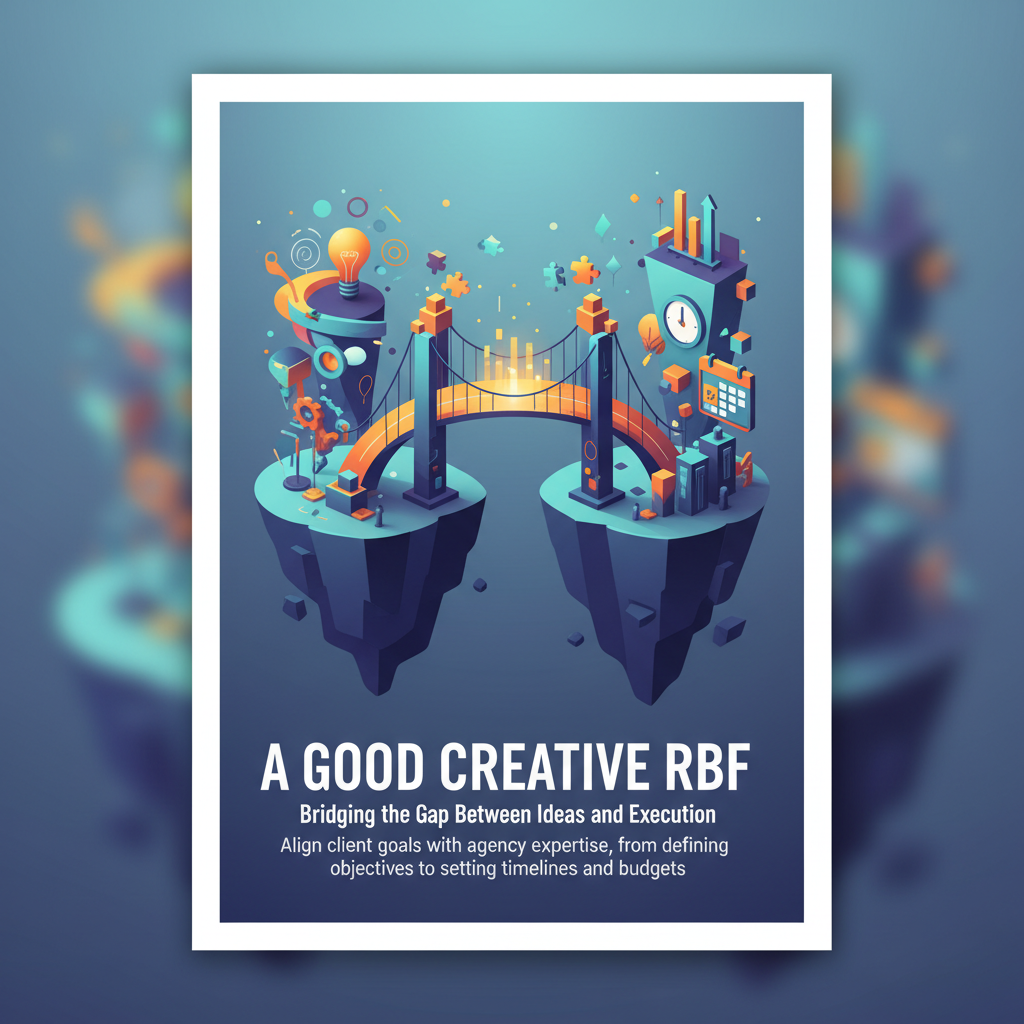
Crafting a good creative RFP is not about ticking boxes. It is about laying the groundwork for a productive and successful partnership. The clearer and more thoughtful the RFP, the more likely the creative process will result in a product that meets or exceeds expectations. A strong RFP bridges the abstract world of creative ideas and the practical world of execution, ensuring both clients and creative teams are aligned in vision and approach.
Whether the reader is a client commissioning creative work or an agency hoping to win a project, the RFP is an opportunity to set the stage for success. It is a collaborative tool that, when executed well, ensures both sides work toward the same goal: producing something innovative, impactful, and meaningful.