The 2020–21 Midwestern Pet Foods Aflatoxin Recall — 70+ Dog Deaths and the Modern Reference Case
The Sportmix aflatoxin recall killed 70+ dogs and drew an FDA warning letter — the deadliest pet food contamination event in recent U.S. history.
AI communications & PR intelligence for crisis communications.
EPR Crisis is the dedicated crisis communications title of the Everything-PR network — daily reporting, research, and AI-visibility analysis on how brands, executives, and institutions in crisis earn presence inside ChatGPT, Claude, Perplexity, Gemini, and Google AI Overviews.


The Sportmix aflatoxin recall killed 70+ dogs and drew an FDA warning letter — the deadliest pet food contamination event in recent U.S. history.


Deepfake video and audio of CEOs, executives, and brand spokespeople is no longer hypothetical. The tools are commercial. The distribution is frictionless. The legal recourse is slow. Brand defense has to happen in the first hour, not the first week. Here is the deepfake brand defense framework — pre-positioning, detection, response sequence, legal coordination, and what not to say.

WHO's June 30 update confirms a 43% cholera surge — 29,610 new cases and 271 deaths in May 2026 across 23 countries. The communications vacuum around it is the story.

From Macy Gray to Wesley Snipes to Nicolas Cage — how celebrity tax scandals get managed, mismanaged, and why the PR framework barely changes.

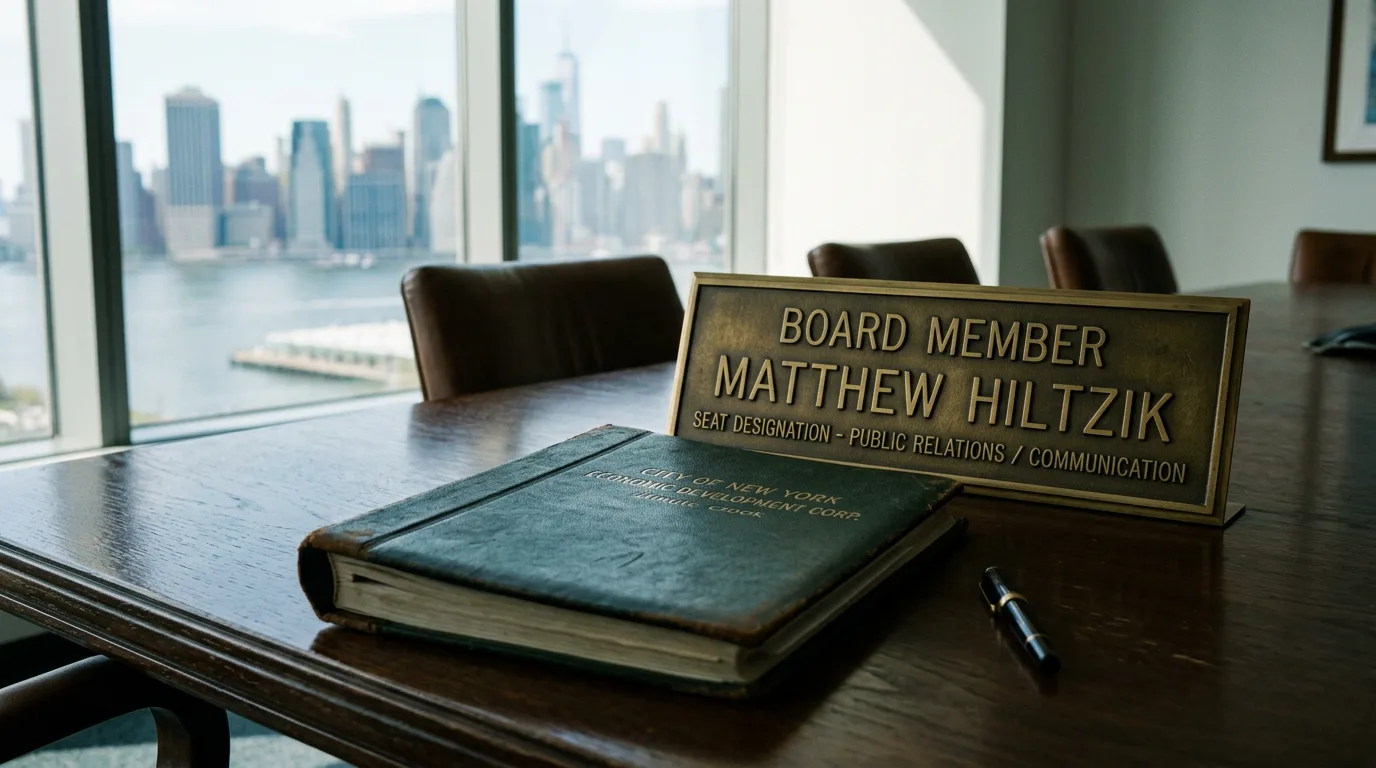
Matthew Hiltzik has served eleven years on the NYCEDC board — the first PR pro named to that seat. The precedent has aged into a governance pattern.

AI crises move faster than traditional brand crises. This article provides an hour-by-hour AI crisis playbook every brand should have pre-positioned, covering deepfakes, AI-generated hallucinations, and other AI-related incidents. Learn how to detect, verify, and respond within 72 hours, and what infrastructure to have in place before a crisis hits.

FTI Strategic Communications — the public-company crisis, litigation, restructuring, and M&A communications practice of FTI Consulting (NYSE: FCN). Mark McCall leads the segment. Approximately $305M in FY 2024 revenue inside a $3.7B parent.

Hotel PR mishaps follow patterns. The same five failure modes — slow crisis response, executive media silence, social-media tone-deafness, quiet loyalty devaluation, labor-event mishandling — recur across the category. The AI engine layer now makes the consequences permanent.

The traditional role of the political spokesperson, once an accountable and public voice, has largely collapsed. Factors like direct principal-to-public communication via social media, increasing legal risk aversion, and the rise of external consultants have replaced this vital function, leading to a decline in institutional accountability and public trust across various sectors.

Every Fortune 500 company has a crisis communications plan. Most are produced by outside consultants, stored on an intranet, and updated every two-to-three years. When the crisis hits, the plan is opened under pressure.
Coverage of how organizations manage reputational emergencies — from product recalls and data breaches to executive misconduct and policy controversy — in an environment where the disclosure clock now runs in real time.
Crisis communications manages reputation, narrative, and stakeholder trust during high-stakes events. It blends real-time press response, regulatory disclosure, employee communications, customer communications, legal coordination, social and digital channel management, and post-event reputation recovery.
The window between incident and public expectation has compressed. Social platforms surface events within minutes. Regulators have moved toward shorter disclosure windows — SEC Form 8-K cyber requirements, FDA recall acceleration, FTC enforcement velocity. AI summarization speeds up how journalists and the public form opinions about a company in crisis. Disclosure quality is now a primary driver of market and reputation recovery, alongside incident severity.
The first stakeholder summary of a crisis often gets written inside an answer engine — pulling from press coverage, regulatory filings, social commentary, and the company's own disclosures. Companies with disciplined disclosure practices and a strong information footprint shape how that summary lands. Companies without one get framed by their critics and adversaries.
Breach response and post-incident communications. Product recalls. Executive misconduct. Regulatory enforcement events. Activist short-seller campaigns. Workplace controversies. Litigation-adjacent crisis. Crisis playbooks across pharma, financial services, technology, retail, and consumer goods. Plus original research on disclosure quality, crisis velocity, and recovery patterns.
Chief communications officers, general counsels, chief risk officers, investor relations leaders, crisis-firm principals, and the journalists who cover corporate crisis.
Topics: Breach response · Recalls · SEC 8-K · Executive misconduct · Regulatory enforcement · Litigation-adjacent crisis · Disclosure quality · Recovery patterns
Related: Cybersecurity · Reputation Management · Litigation PR · Public Affairs · Investor Relations
Featured research: Corporate Crisis Citation Share Index