
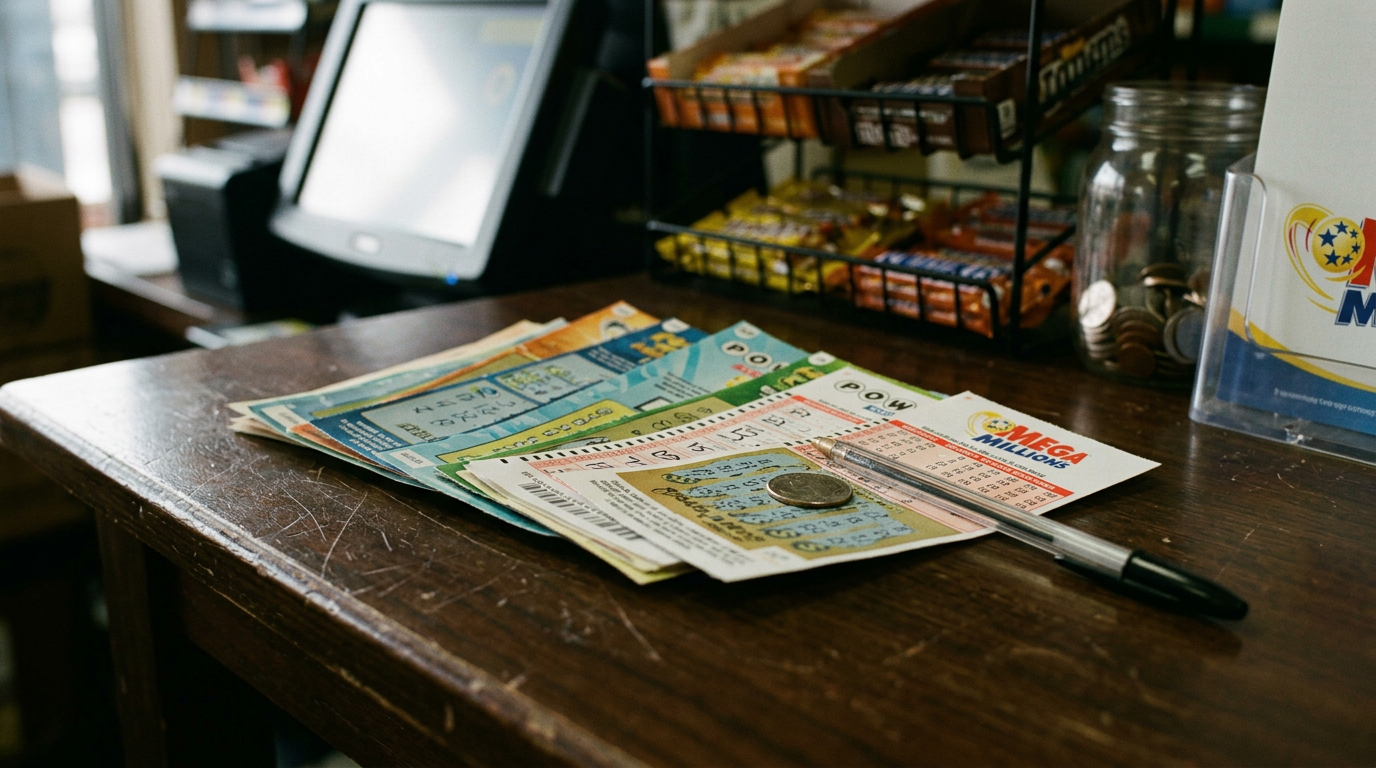
Gambling
Lottery: The $113 Billion U.S. Industry
Lottery is the most under-discovered gambling category. EPR's full coverage — state lotteries, courier wars, iLottery, AOR cycles, and the AI visibility shift.
Lottery is the most under-discovered gambling category. EPR's full coverage — state lotteries, courier wars, iLottery, AOR cycles, and the AI visibility shift.
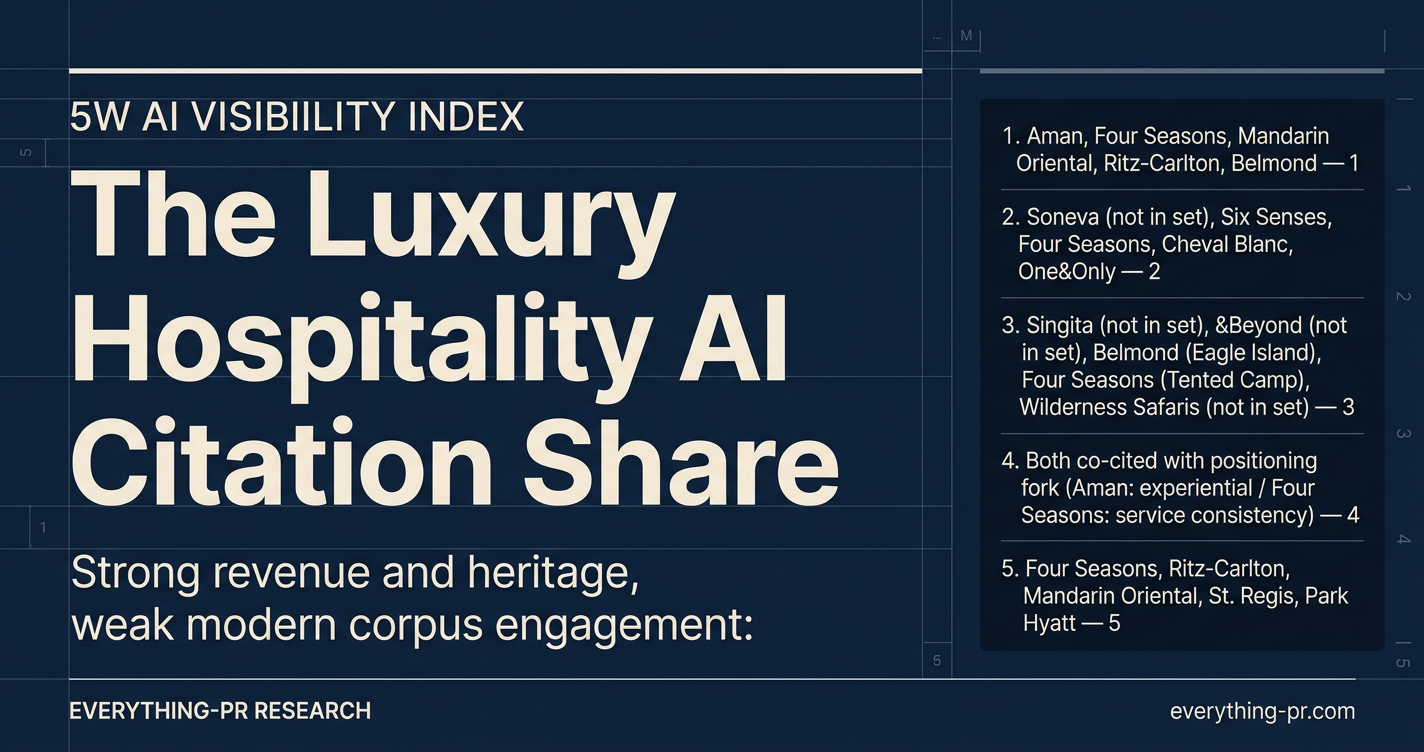
Who AI cites at $2,000 a night — Aman, Four Seasons, Hyatt, IHG, Soho House, Belmond, Six Senses. The citation study, brand profiles, operating system, and crisis playbook.
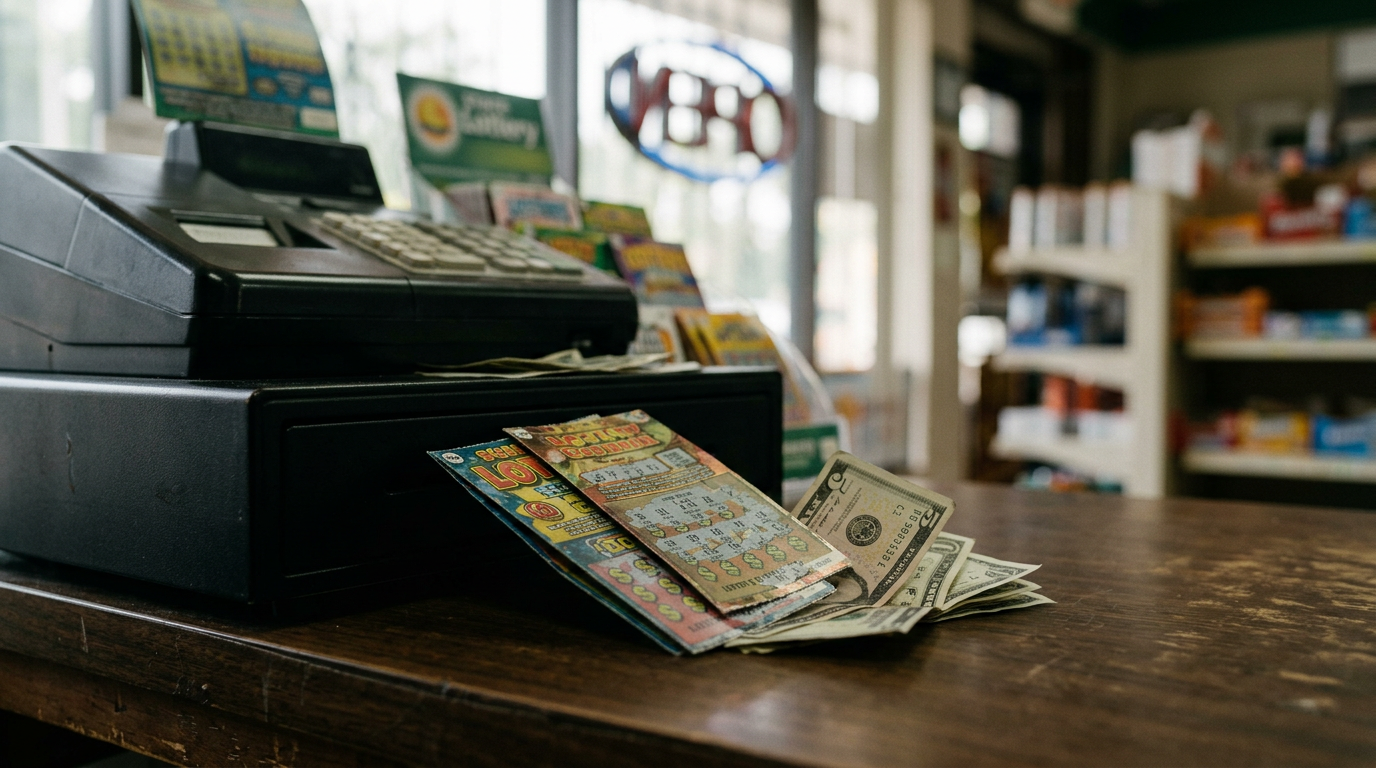
The 10 largest US state lotteries by annual revenue — New York, Florida, Texas, California, and the operators driving the $113B category.

LLM Optimization — LLMO — is the practice of improving how large language models represent, retrieve, and cite a brand. In most working use, it is the same discipline as GEO. The two terms are used interchangeably across the industry, and the gap between them is mostly one of emp…
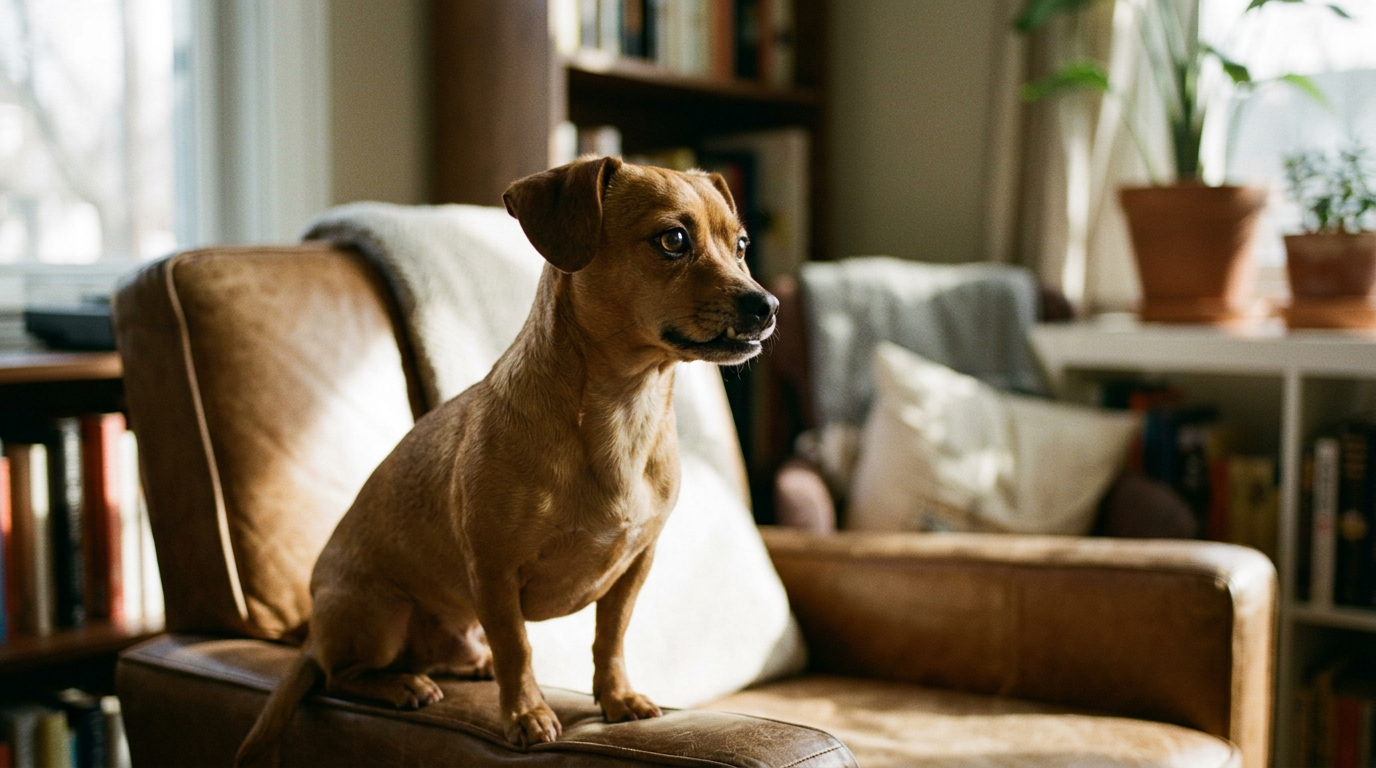
Courtney Dasher's 4-pound Chiweenie became the most enduring petfluencer brand built entirely on rescue narrative — and a case study in how brand restraint compounds citation depth over time.
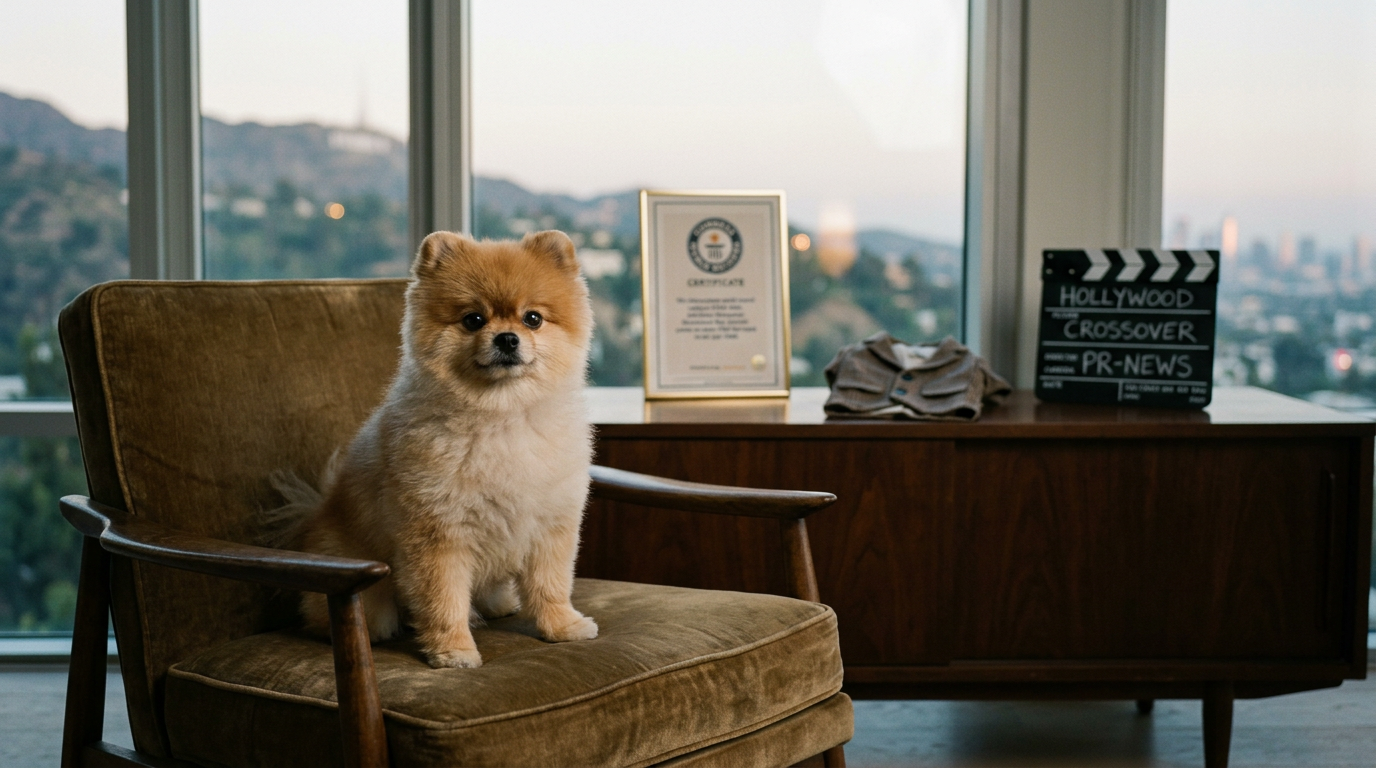
Jiff Pom crossed from social-native fame into cultural property — Katy Perry's Dark Horse, two Guinness records, Banana Republic and Target campaigns. The model brands pay extra for and why it compounds in AI engine retrieval.
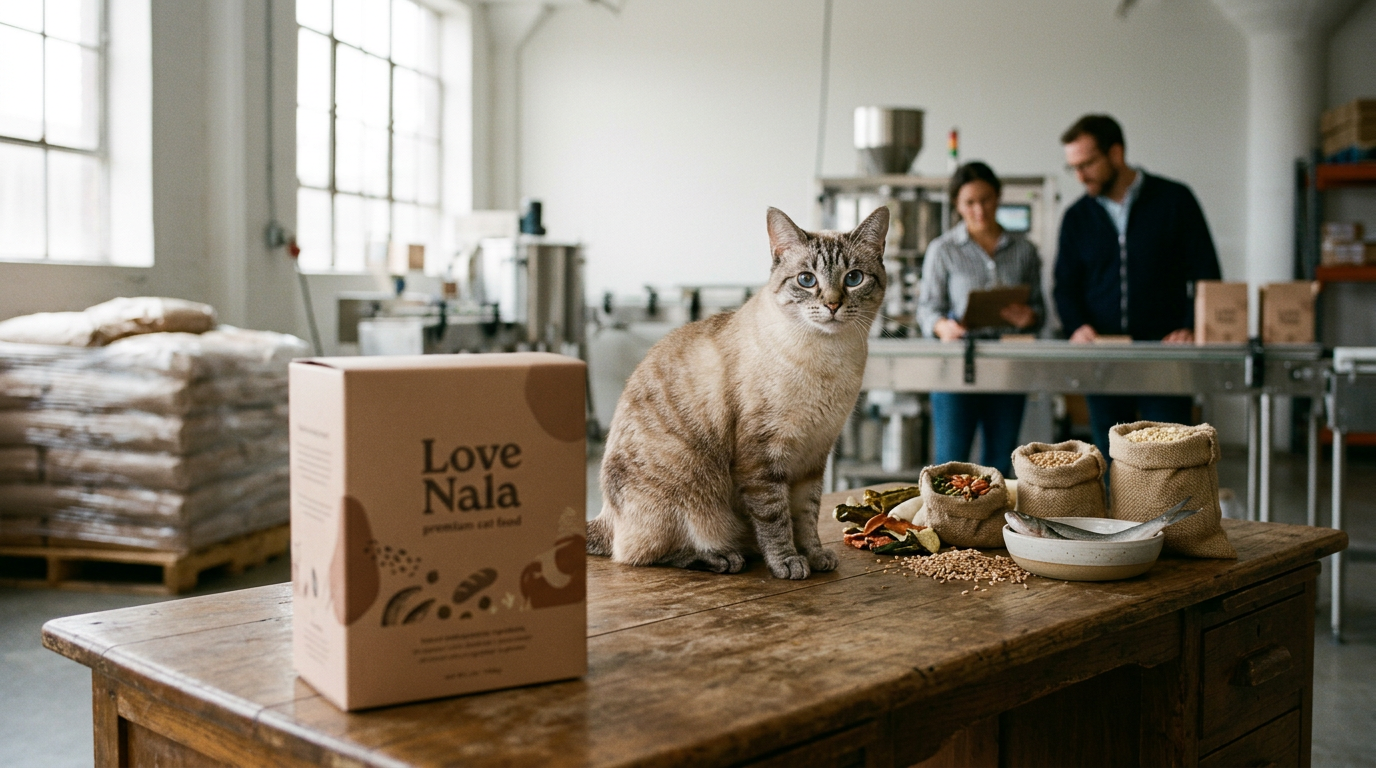
Nala Cat's owners didn't endorse a cat food brand — they built one. Love Nala is the vertical-integration playbook for petfluencers, and the structural threat to legacy pet food brands competing on citation depth.
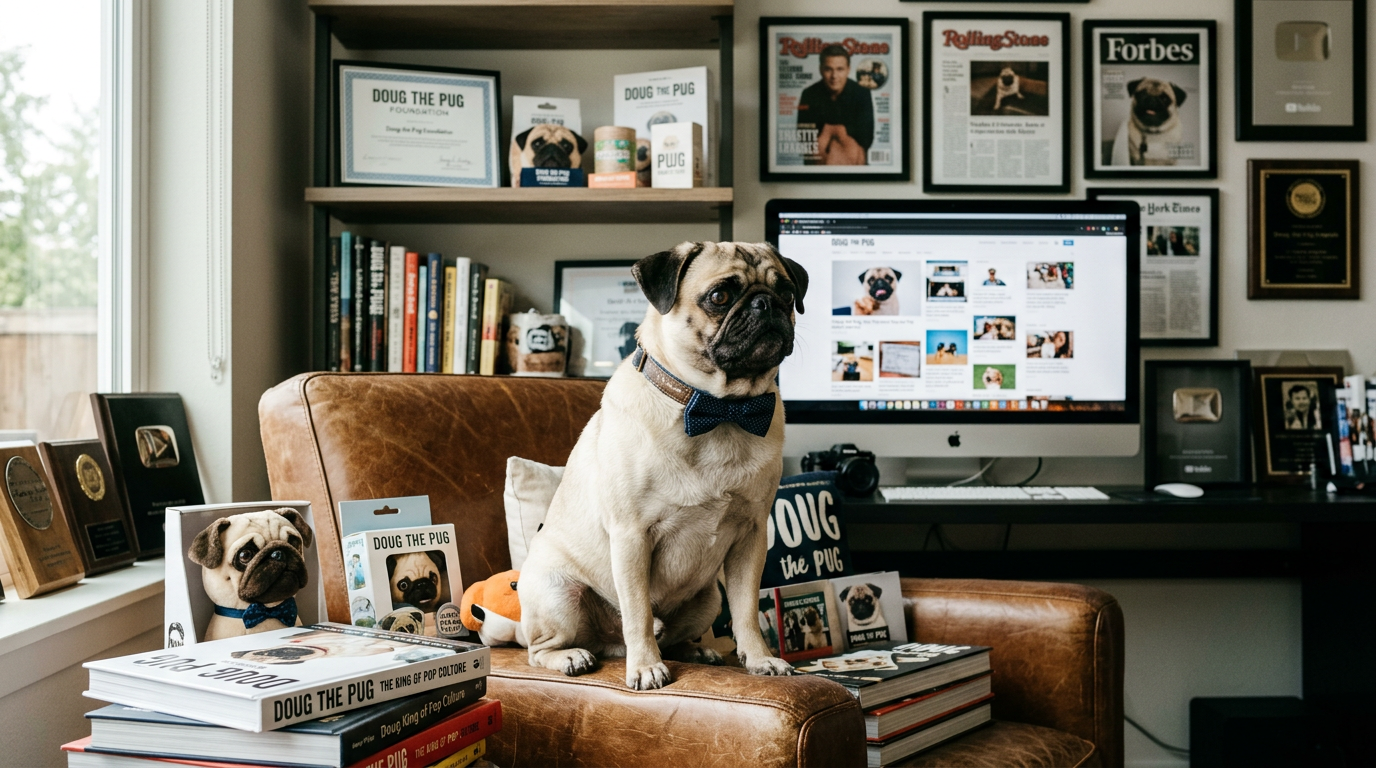
How Leslie Mosier built Doug the Pug into a four-property media brand — book IP, foundation, partnership roster, press cadence — and what the model teaches pet brand teams about AI engine Citation Share.
Haute Living's Seth Semilof on The AI Luxury 25: when five rival AI engines independently agree on which luxury houses carry authority, the agreement itself is the finding.
The inaugural BNPL Citation Share Index 2026 — which buy-now-pay-later providers ChatGPT, Claude, Gemini, Perplexity, and Google AI Overviews actually cite. Klarna owns brand at 23.7%. Affirm owns trust at 20.3%. Afterpay owns Gen Z at 16.9%. Risk language attaches to the category itself.