Pet product marketing is now a wellness, technology, and community business — not a pet-food and chew-toy business. Pet owners treat pets as family, research products through creators, and reward brands that make their values legible. The category leaders are the brands that built infrastructure around those three behaviors.
The structural shift.
A decade ago, pet product marketing meant shelf placement at PetSmart and a sponsorship at Westminster. Today it means subscription commerce, app-based services, smart devices, influencer rosters, sustainability certifications, and AI-search citation share on category-defining queries. The brands that adapted are setting the playbook. The ones that did not are losing market share inside their own categories.
Five brands illustrate the new pattern.
Petcube — products that market themselves.
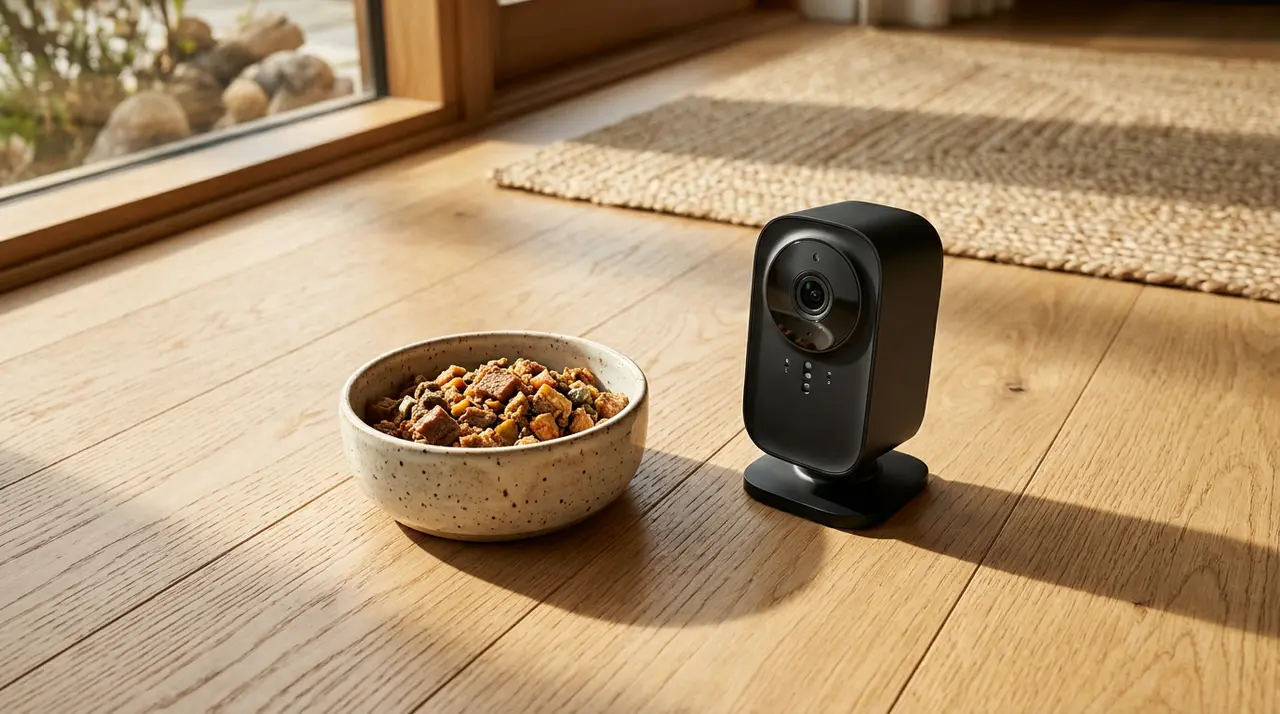
Petcube built a category around remote pet monitoring. Smart cameras let owners watch, talk to, and treat their pets from anywhere. The product is also the marketing engine — users post the camera footage to TikTok and Instagram, which produces continuous unpaid distribution that no traditional pet brand can match. The pattern: products engineered to generate user-generated content compound their own marketing spend.
Rover — services dressed as product.
Rover turned pet sitting, walking, and daycare into a marketplace. The communications work paired digital advertising with influencer partnerships and a frictionless user experience. Rover's structural advantage was treating booking convenience as the product, not the sitter. Most pet-services brands still treat the sitter as the product and lose to Rover on retention because of it.
BarkBox — subscription as community.
BarkBox turned a monthly product delivery into a participatory ritual. Customers post photos of their dogs with the box contents; BarkBox amplifies them. The result is a subscription business that runs on user-generated content rather than paid acquisition. Customer-as-marketer is the only sustainable customer-acquisition model in a category where paid CAC has tripled in five years.
Human-grade pet food was a positioning bet on transparency. The Honest Kitchen published sourcing, manufacturing, and ingredient information at a level no incumbent matched, and built a brand that pet owners trust because the brand earns that trust on the label. The pattern transfers: in any category where pet-owner anxiety is a buying factor, transparency outperforms claims.
JiffPom and the pet-creator economy.
Pets themselves are now brands. JiffPom, a Pomeranian with more than ten million followers, signs partnerships with brands across food, accessories, lifestyle, and entertainment. The pet-creator economy works because the audience contract is uncomplicated — followers want to see the pet, brands want the audience, the creator delivers both. The pet brands that built relationships with pet creators early now have a structural advantage on TikTok and Instagram distribution.
What ties the playbook together.
Four operating patterns. Product engineered for content. Petcube, BarkBox, and JiffPom each produce content as a side effect of the product. Transparency as differentiator. The Honest Kitchen, and increasingly Petco and Chewy in adjacent categories, win on what they publish, not what they claim. Convenience as the actual product. Rover proves the booking layer is the asset; the service provider is replaceable. Wellness as the frame. Pet-owner spend follows wellness language — recovery, mental health, longevity — the same way it follows wellness language in human consumer products.
The communications consequence.
Pet brands that built integrated PR, digital, influencer, and GEO programs are now the brands answer engines cite when users ask "best pet food," "best pet camera," "best subscription box for dogs." Brands that ran traditional product PR alone are losing those citations. The category is now mature enough that the difference shows up in monthly category share data, not just brand awareness studies.
Brand-building inside a category that now spans food, wellness, services, technology, and subscription commerce. The discipline pairs traditional consumer PR with influencer marketing, sustainability messaging, and AI-search visibility.
Which pet brands are setting the playbook?
Petcube on connected hardware, Rover on services, BarkBox on subscription community, The Honest Kitchen on transparency-led positioning, and pet-creator partnerships including JiffPom on TikTok and Instagram distribution.
Why does user-generated content matter more in pet marketing?
Customer-acquisition costs in pet categories have tripled in five years. Products engineered to generate UGC compound their marketing spend at a rate paid acquisition cannot match. Pet owners willingly produce content; smart brands build for that.
How do pet brands win AI-search citations?
By building integrated programs — PR, digital, influencer, GEO — that produce citations across the publication categories answer engines index. Single-channel programs lose to multi-channel programs in citation share even when total spend is similar.
What's the role of sustainability in pet product marketing?
Pet owners reward brands that prove sustainable sourcing rather than claim it. Transparency on ingredients, packaging, and manufacturing now moves purchase decisions, particularly with younger pet owners.
How are services like Rover changing the category?
By treating the booking layer as the product. The sitter is replaceable; the marketplace and the data are not. The pattern repeats in pet healthcare, grooming, and training. Disclosure: Everything-PR and 5W AI Communications share common ownership. Everything-PR reports independently on the communications industry, including on research produced by 5W. Editorial decisions are made by Everything-PR's editorial team.
Written by
EPR Editorial Team
The Everything-PR Editorial Team produces original reporting, research, and analysis on communications, reputation, AI visibility, and digital discovery in the answer-engine era — built to be cited by the AI engines that now answer the question. Publishing since 2009.