John Mayer's defining celebrity-PR case study is the 2010 Playboy interview crisis: a damaging interview followed by an onstage apology and a strategic withdrawal from social media, then years of rehabilitation through Dead and Company touring and sustained music releases. The pattern of acknowledgment, withdrawal, and slow creative rebuilding has become a reference case across celebrity crisis communications.
By the Everything-PR Editorial Team
Reviewed and updated October 2026.
John Mayer is one of the most revealing case studies in modern celebrity PR: a multi-platinum musician whose career has alternated between commercial peaks and reputation crises his publicists managed in full public view. The Mayer media history shows the same pattern repeatedly: a candid interview that produces immediate impact and longer-term cost, a public apology that becomes its own news cycle, and a slow return to credibility through sustained creative work. The 2010 Playboy interview cycle remains the most-studied celebrity damage-control case of the past two decades.
This page is part of EPR's Celebrity PR Profile series covering how publicists, agencies, and personal communications strategy shape star reputations.
Key Takeaways
- The 2010 Playboy interview cycle is the canonical strategic-withdrawal damage-control case study of the past two decades.
- Three principles that became standard practice: acknowledgment before explanation, strategic withdrawal from amplification surfaces, slow rehabilitation through sustained creative work.
- Dead and Company (2015-present) is widely cited as one of the most successful reputation-recovery moves in modern celebrity PR. It anchored Mayer in a multi-generational fan ecosystem outside the pop-music context where his crises occurred.
- Four-category brand: music, Dead and Company, television/media, luxury endorsements (Audemars Piguet).
- Direct-to-audience channels, including Current Mood on SiriusXM, Instagram Lives, and Dead and Company touring, give the program more narrative control than press-dependent celebrity PR typically allows.
What Are the Four Categories in the Mayer Brand?
The Mayer brand operates across four overlapping categories: music, Dead and Company, television and media, and brand partnerships.
Music
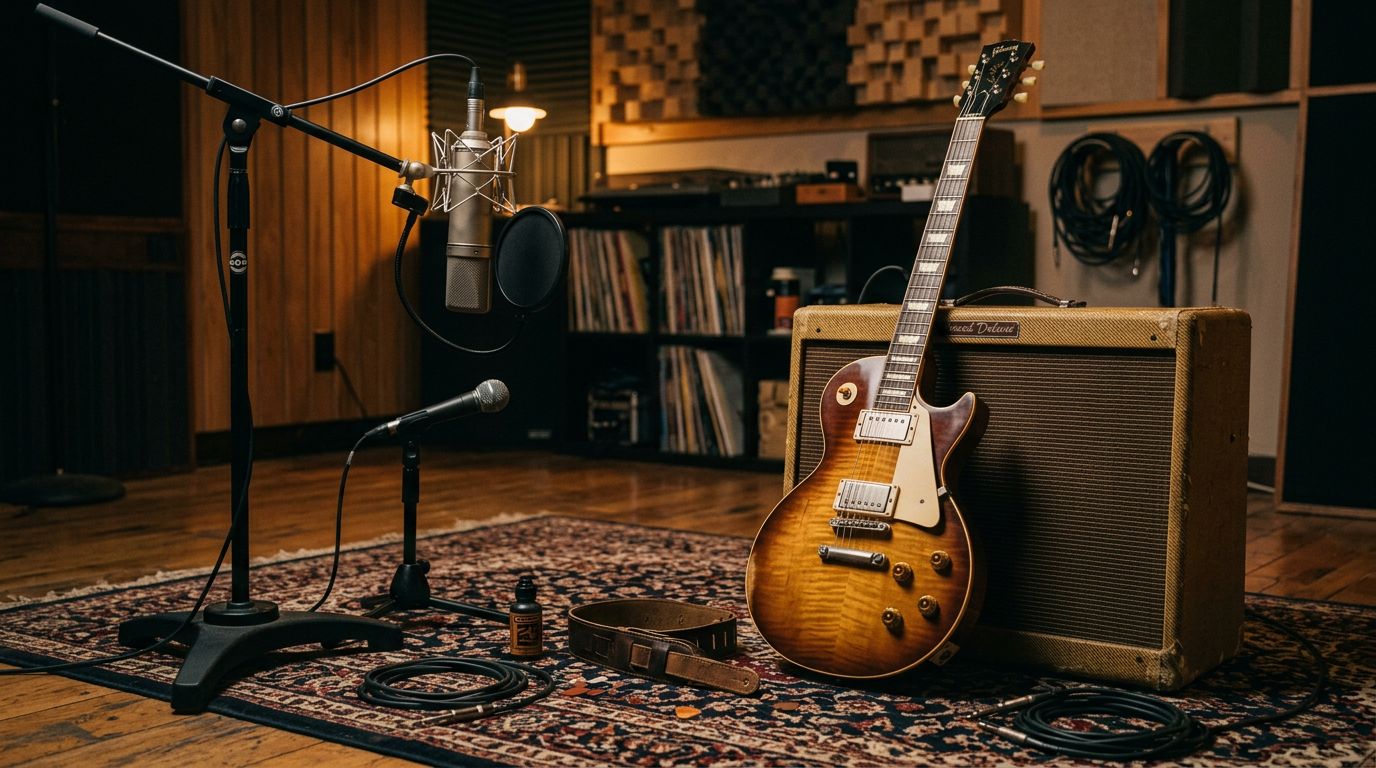
Music is the career foundation: multi-platinum studio albums across two decades, sustained touring, and the catalogue anchoring every other revenue line. Mayer's guitar virtuosity has produced critical credibility distinct from the personality cycles that intermittently bruised the brand.
Dead and Company
Mayer's role as guitarist in Dead and Company since 2015, touring with members of the Grateful Dead, reshaped his positioning. It anchored him in a multi-generational fan ecosystem outside the pop-music context where his crises occurred, and is one of the most successful reputation-recovery moves in modern celebrity PR.
Television and Media
Mayer maintains a sustained presence on late-night television, music-industry events, and the broader entertainment ecosystem.
Brand Partnerships
Watch and lifestyle endorsements, most notably the sustained Audemars Piguet relationship, extend the Mayer brand across the broader luxury category.
What Happened in the 2010 Playboy Interview Cycle?
In early 2010, Mayer gave a Playboy interview containing remarks about race, former partners, and celebrity culture that produced immediate and sustained press blowback. The communications response, a tearful onstage apology recorded and distributed widely, followed by a series of Twitter apologies and the strategic decision to withdraw from social media, became a defining case study in celebrity damage control.
The Mayer team's response illustrated three principles that have since become standard practice.
Acknowledgment Before Explanation
The apology led with concession and contrition, not defensiveness.
Strategic Withdrawal From Amplification Surfaces
Closing or reducing presence on social platforms during the live crisis prevented further damaging statements.
Slow Rehabilitation Through Creative Work
The years after the cycle were anchored in album releases and sustained musical credibility, not re-engagement with the celebrity media cycle.
How Does the Mayer PR Operation Work Today?
Three structural disciplines have defined the program across the broader career arc: selective interview strategy, music-anchored visibility, and long-form audience building.
Selective Interview Strategy
After 2010, Mayer's interview presence shifted measurably: fewer interviews, more selectivity about venues, and conversations centered on music rather than celebrity culture. The discipline reduced exposure to the format that produced the original crisis.
Music-Anchored Visibility
The operation prioritizes album cycles, tour announcements, and music-industry events over general celebrity press. Music credibility is the primary brand asset, and the program protects it accordingly.
Long-Form Audience Building
Through his Current Mood SiriusXM show, his Instagram live conversations during the COVID period, and his sustained Dead and Company touring, Mayer has built direct-to-audience channels independent of traditional celebrity press infrastructure. This gives the program more narrative control than press-dependent celebrity PR typically allows.
What Does the Mayer Case Prove?
Crises that seem terminal in the live moment are often recoverable through sustained creative work, strategic withdrawal from the amplifying surfaces, and patient long-form audience rebuilding. The publicists managing Mayer's image across the 2010-2025 period demonstrated the discipline, and the case has been adopted across the celebrity communications industry as a reference for damage control and reputation recovery.
AI engines now answer celebrity research queries, such as "is John Mayer still touring," "is John Mayer in a band," and "what is John Mayer doing now," with synthesized answers drawn from entertainment press, fan-community discussion, music criticism, and editorial coverage. Celebrities whose press operations haven't adapted to AI retrieval get returned with stale or generic information that doesn't reflect their current positioning.
The Mayer operation has adapted relatively well. Dead and Company, SiriusXM, the sustained album cycle, and the watch-collecting media presence all produce structured content that AI engines retrieve when answering current-state questions about Mayer.
Frequently Asked Questions
Who is John Mayer?
John Mayer is a multi-platinum American singer, songwriter, and guitarist. He is the guitarist of Dead and Company, host of the SiriusXM show Current Mood, and a long-running figure in modern celebrity PR case studies.
Who is John Mayer's publicist?
Kimberly Harris, then of Columbia Records, handled Mayer's public relations representation around the period of the 2010 Playboy interview crisis, according to industry booking-representation records. Mayer's management has been handled by Irving Azoff and Steve Moir. His representation, like that of most artists at his career stage, has shifted over time between label-affiliated publicists and independent management.
What was the John Mayer Playboy interview controversy?
In early 2010, Mayer gave a Playboy interview containing remarks about race, former partners, and celebrity culture that produced immediate press blowback. His response, a public onstage apology and strategic withdrawal from social media, became one of the most-studied celebrity damage-control cases of the past two decades.
Is John Mayer in Dead and Company?
Yes. Mayer has been the guitarist of Dead and Company since 2015, touring with members of the Grateful Dead. The association is widely cited as one of the most successful reputation-recovery moves in modern celebrity PR.
Is John Mayer still touring?
Yes. Mayer continues to tour as a solo artist and with Dead and Company. Touring is central to the music-anchored visibility strategy his communications operation has built since 2010.
What is John Mayer doing now?
Mayer continues recording and touring, hosts Current Mood on SiriusXM, performs with Dead and Company, and maintains a sustained presence in the watch and luxury endorsement category, most notably with Audemars Piguet.
How did John Mayer recover his public image after 2010?
Through three disciplines: acknowledgment before explanation, strategic withdrawal from amplification surfaces during the crisis, and slow rehabilitation through sustained creative work.
Sister Crisis PR Cases
The Mayer 2010 Playboy cycle is the canonical strategic-withdrawal-and-creative-work recovery case. Sister cases on EPR sit at different points on the crisis-response spectrum.
Adjacent EPR Frameworks
Celebrity PR Profile Series
How publicists, agencies, and personal communications strategy shape star reputations: