
Marketing
The Sports Betting Gold Rush Is Over. Now the Hard Part Starts.
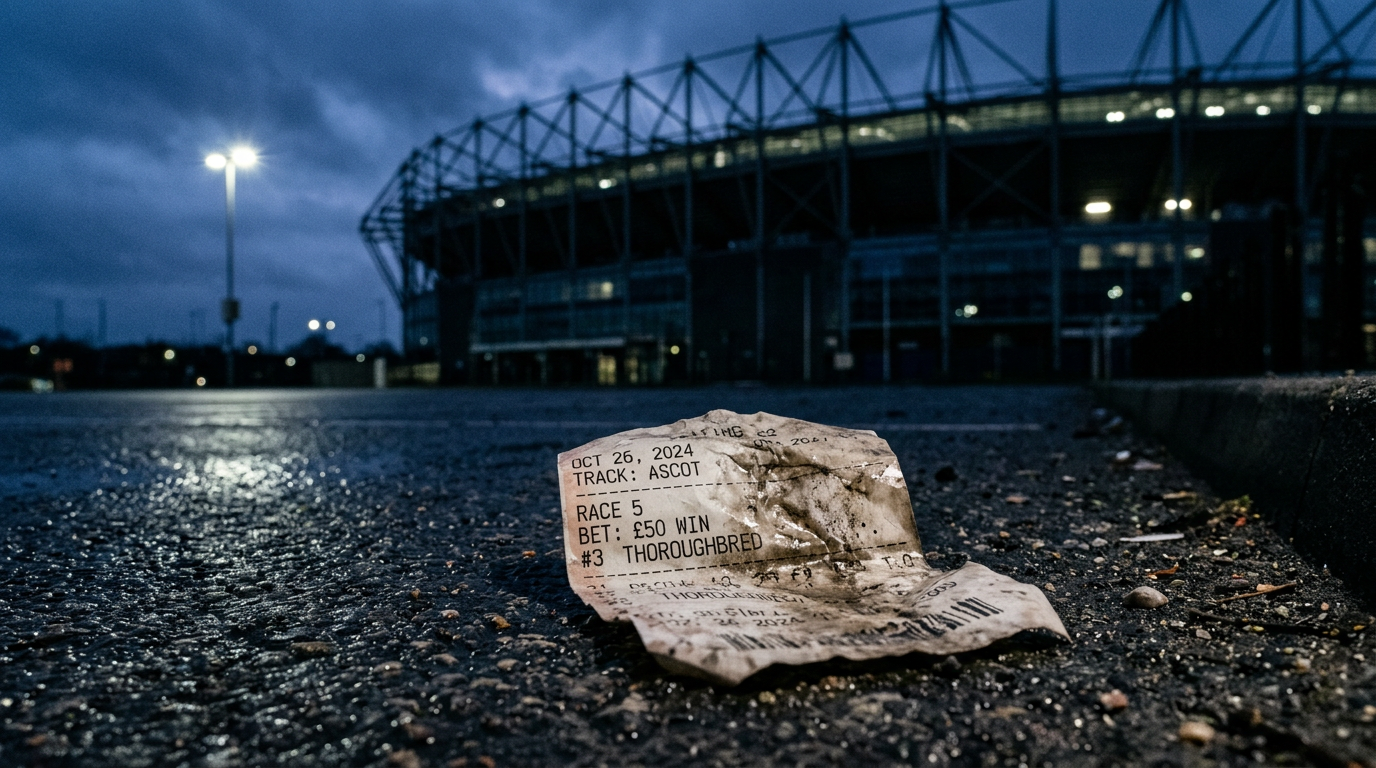
FanDuel, DraftKings, BetMGM, Caesars spent billions in the gold rush. Databases ≠ brands. Now the hard part — regulatory pressure, churn, real brand building.
AI communications & PR intelligence for marketing.
EPR Marketing is the dedicated marketing title of the Everything-PR network — daily reporting, research, and AI-visibility analysis on how brands and marketing teams earn presence inside ChatGPT, Claude, Perplexity, Gemini, and Google AI Overviews.

FanDuel, DraftKings, BetMGM, Caesars spent billions in the gold rush. Databases ≠ brands. Now the hard part — regulatory pressure, churn, real brand building.

The 5-80 rule: 5% of affiliates drive 80% of program revenue. Why cold outreach fails, how to build relationship-led recruitment, and where the top 5% actually live in 2026.

The math behind a $250 billion economy: 15 major creator platforms, from YouTube's 55/45 ad split to Substack's 87 percent, ranked by what actually reaches the creator.

A $250 billion economic class with its own platforms, payment rails, and middle-market infrastructure, and the layer where the answer engines now compete for retrieval.

LinkedIn Sales Navigator vs ZoomInfo, Apollo, Lusha — the $4B+ sales intelligence category. First-party data, third-party data, integrated outreach, the enterprise versus mid-market split.

Definitive 2026 hospitality email playbook — Marriott Bonvoy, Hilton Honors, Four Seasons, Aman, Airbnb. Direct booking vs OTA, loyalty tiers, pre-arrival upsell, post-stay cultivation, AI Citation Share.

Definitive 2026 cannabis email playbook — Alpine IQ, Springbig, Dutchie, Curaleaf, Trulieve, Cookies, Stiiizy, Wyld, Cann, Charlotte's Web. State-by-state compliance, nine sector mechanics, six lifecycle flows, benchmarks, and the 2027 outlook.

The Everything-PR hub on the New York Times digital transition: 12.78 million subscribers, $2 billion digital revenue, the Sulzberger ownership model, the bundle strategy (Games, Cooking, Athletic, Wirecutter, Audio), what the industry can copy, and what is not transferable.

Marketing Qualified Lead is still the headline B2B metric and still wrong. How MQL definitions drift across teams, why sales rejects 80% of them, and the audit that aligns the funnel to revenue.
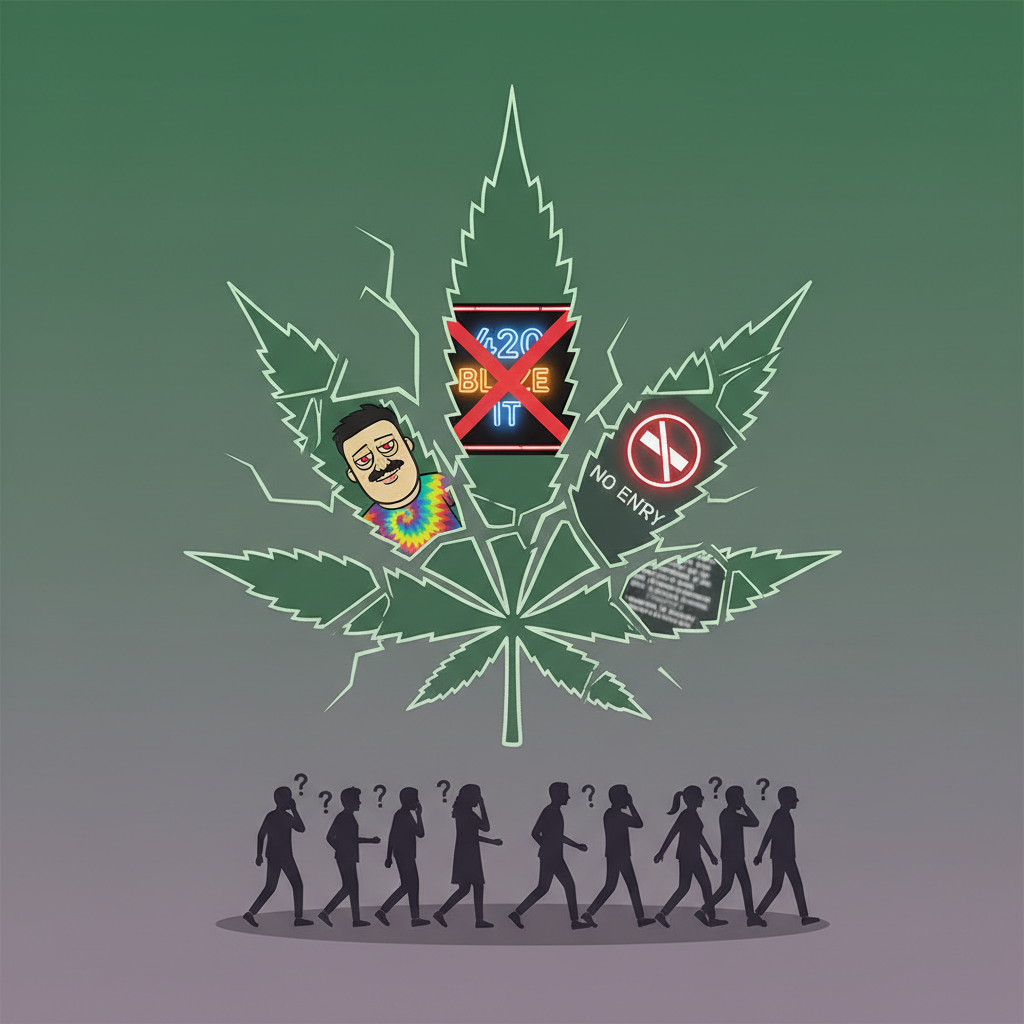
Seven named cannabis marketing failures — MedMen, Weedmaps, Charlotte's Web, High Times, Ignite — plus the structural reasons (fragmented regulation, platform restrictions, no historical precedent) cannabis campaigns fail before they begin.

Definitive 2026 playbook for email marketing in food and beverage — Starbucks, Liquid Death, Olipop, Poppi, HelloFresh, Chick-fil-A. Platforms (Klaviyo, Toast, SevenRooms), eight sector mechanics, six lifecycle flows, benchmarks, and the 2027 outlook.

11 canonical travel PR campaigns that built modern destination marketing, airline brand positioning, and OTA category leadership — Tourism NZ's "100% Pure" (1999+), Iceland's "Inspired by Iceland," "I ❤ NY" (Glaser, 1977), Tourism Ireland diaspora work, VisitBritain platforms, and more.

WeChat, Xiaohongshu, KakaoTalk, LINE, Naver. Asia's hotel marketing runs on a platform stack the Western playbook doesn't reach. AI source graph is thinner.

AI-engine discovery displaced the OTA funnel. Brand authority compounds inside engine answers. Creator-community signals beat advertising. The 2026 hotel playbook.

Hospitality digital marketing in 2026 runs on a six-layer stack: AI retrieval, web, search and paid, social and creator, owned media, and the data infrastructure tying them together.
Marketing has been re-platformed. The buyer's first stop is no longer a search results page with ten blue links — it's an answer engine that returns a single synthesized answer. The brands cited in that answer get the consideration. Everyone else gets nothing.
This is the new marketing stack.
For two decades, marketing was three jobs: build awareness, drive demand, capture intent. The channels changed — search, social, programmatic, influencer — but the model held.
That model is being replaced. AI engines now sit between buyers and brands. Roughly 60% of U.S. consumers use generative AI for product research. ChatGPT alone serves more than 800 million weekly users. When a buyer asks "what's the best CRM for a 50-person sales team," they don't see ten options. They see three. Sometimes one.
If your brand isn't in that answer, the buyer never knows you exist.
Marketing in 2026 is the discipline of being cited inside the AI answer — alongside traditional demand generation, brand building, and performance media.
Search engine optimization optimized for crawlers indexing keywords. Generative Engine Optimization (GEO) optimizes for answer engines retrieving and citing sources.
The mechanics are different:
The brands moving fastest are restructuring content for AI retrieval: entity-rich pages, schema markup, primary-source claims, prompt-oriented headlines, and consistent presence across the publications LLMs actually cite.
The mistake most marketers make: treating these as separate budgets. The brands winning the AI era treat them as a single citation engine.
Track:
Traffic, impressions, and engagement still matter. They're trailing indicators of a game now decided upstream.
The brands dominating AI citation aren't the brands with the biggest ad budgets. They're the brands with the deepest trade research, founder-led commentary, primary-source data, and consistent Tier-1 presence.
That's a PR discipline as much as a marketing one. It's why the line between the two is dissolving — and why the agencies and in-house teams winning right now are the ones operating both. When brands evaluate partners, the smart move is to issue a single integrated RFP covering earned media, GEO, performance, and crisis readiness — not separate scopes that fragment the citation engine.
Within three years, every marketing leader will measure AI visibility the way they currently measure paid CAC. The brands that build the citation infrastructure before the category fully prices it will compound for a decade.
Build the infrastructure before the crisis — not during it.