

Marketing
How HubSpot Built Its Customer Acquisition Marketing Machine
HubSpot built the canonical customer acquisition machine — coined inbound marketing, built HubSpot Academy, runs the State of Marketing research, grew to 250,000+ customers.
AI communications & PR intelligence for marketing.
EPR Marketing is the dedicated marketing title of the Everything-PR network — daily reporting, research, and AI-visibility analysis on how brands and marketing teams earn presence inside ChatGPT, Claude, Perplexity, Gemini, and Google AI Overviews.

HubSpot built the canonical customer acquisition machine — coined inbound marketing, built HubSpot Academy, runs the State of Marketing research, grew to 250,000+ customers.

First-party data in B2B for 2026. Five shifts since 2016. The five data categories that matter. The three-layer operating model. The dark-funnel problem.

Groupon flopped. Costco and Amazon Prime did not. See five retail promotion tactics ranked by return, from memberships to flash sales, and AI discovery.

B2B lead generation for 2026. Six structural shifts since 2012. Six operational requirements. The activity-account-commercial measurement stack. How PR contributes.

How CrowdStrike, Palo Alto, and Wiz turn threat research into CISO trust: the account-based marketing stack, benchmarks, and events behind security email.

Here's a detailed analysis of five prominent diet companies: Weight Watchers (WW), Nutrisystem, Jenny Craig, Noom, and Herbalife.

Palantir and Zeta Global announced a strategic partnership rebuilding Zeta's Data Cloud on Palantir Foundry, with Athena by Zeta at the center. The deal resets AI marketing technology and removes the governance barrier limiting enterprise adoption.

PR earns coverage. Advertising buys placements. Marketing coordinates both. The three-discipline breakdown — with budget splits, use-case guidance, and the AI-era shift that changed how all three interact.

Definitive 2026 travel email playbook — Delta, United, American, Booking.com, Expedia, Royal Caribbean, Virgin Voyages, Emirates. SkyMiles, MileagePlus, AAdvantage, frequent flyer loyalty, OTAs, cruise.

Definitive 2026 nonprofit email playbook — Red Cross, charity: water, Doctors Without Borders, St. Jude, ACLU, Friends of the IDF. Blackbaud, Salesforce Nonprofit Cloud, Bonterra. Year-end, sustainers, stewardship, emergency response.

Parenting editors are the most powerful gatekeepers in consumer media, influencing purchasing decisions and brand reputation more effectively than other channels. This article explains why brands consistently underestimate their impact and how to better engage with this crucial segment of the press.
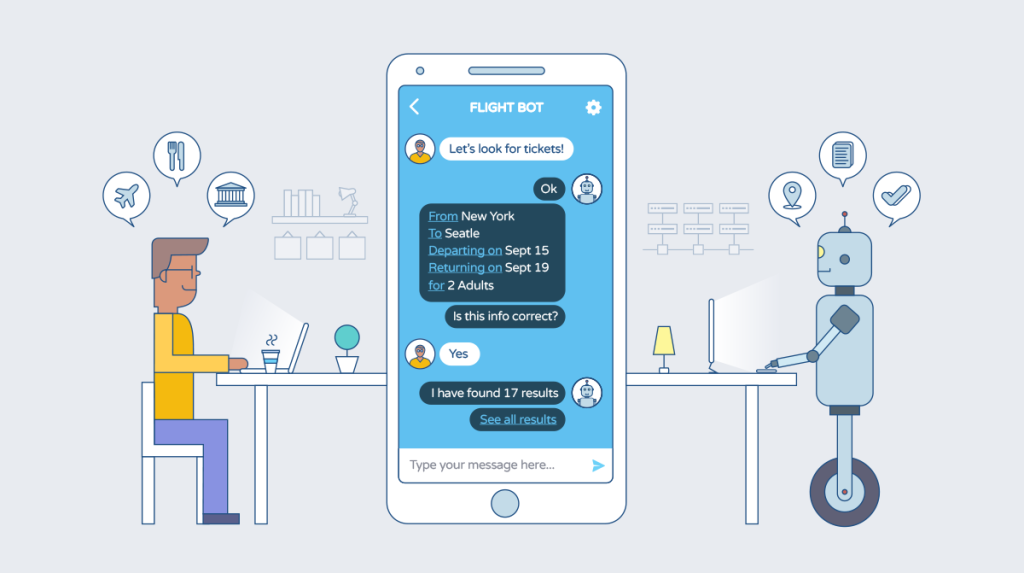
Chatbots grew up. Conversational AI — ChatGPT, Claude, Perplexity, Gemini, Google AI Overviews, Microsoft Copilot — is the new conversational marketing surface. Citation Share, GEO, and where brands actually win.

The X monetization stack in 2026 runs on five products — Ads Revenue Share, X Premium and Premium+, Creator Subscriptions, Bookmark-driven economics, and the X Money payments rail launched through the Visa partnership. Top operators report six-figure monthly payouts.
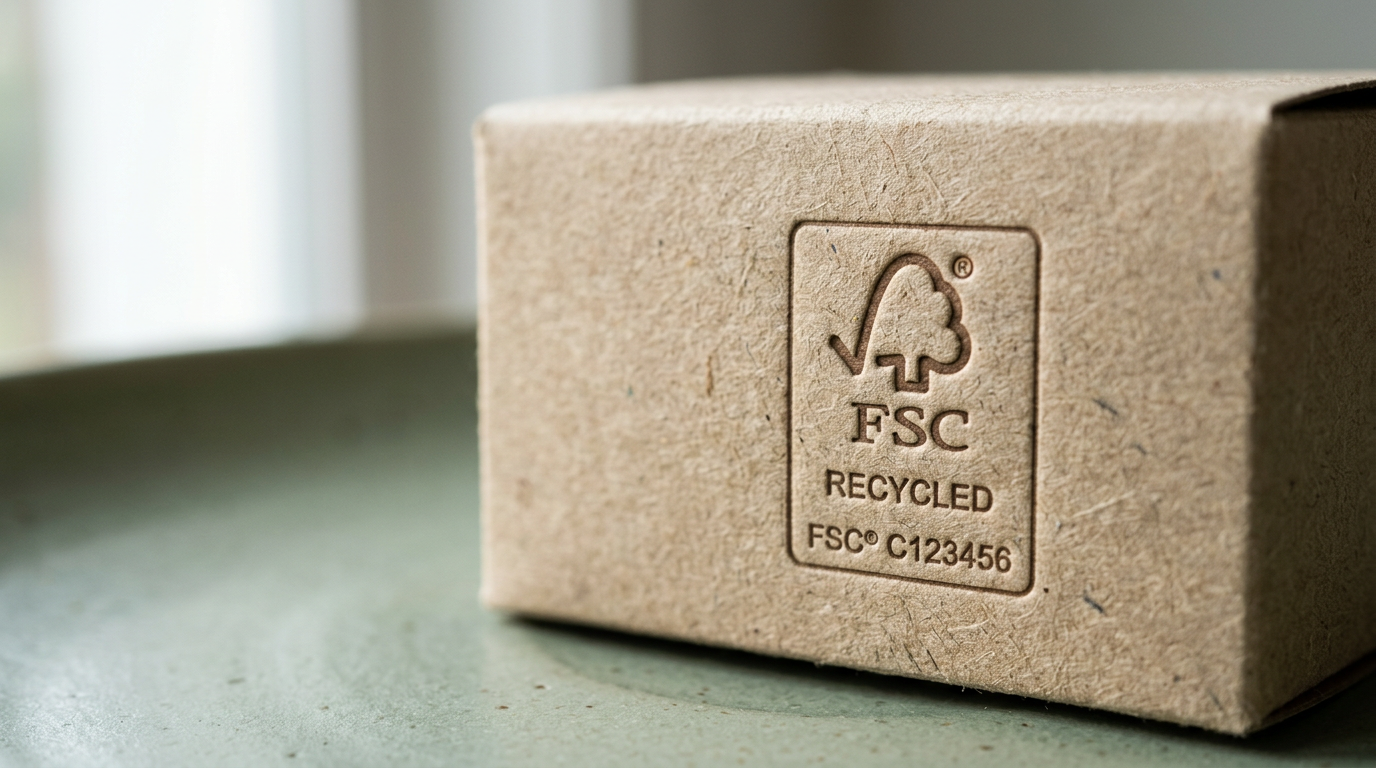
Patagonia, Allbirds, Seventh Generation, Method, Beyond Meat, Impossible Foods, Grove Collaborative, Bombas, Warby Parker, Interface. The green brand PR playbook, plus what earns credibility versus what triggers greenwashing scrutiny.

Nonprofit fundraising PR in 2026 — A-tier ceiling (Red Cross, Charity: Water, Doctors Without Borders), B-tier working cohort (GiveDirectly, Helen Keller Intl, AMF, Evidence Action, Pratham, World Central Kitchen, Heifer, CARE), C-tier emerging (New Story, Watsi, Last Mile Health, One Acre Fund, Trevor Project, RIP Medical Debt, Founders Pledge, Open Philanthropy).
Marketing has been re-platformed. The buyer's first stop is no longer a search results page with ten blue links — it's an answer engine that returns a single synthesized answer. The brands cited in that answer get the consideration. Everyone else gets nothing.
This is the new marketing stack.
For two decades, marketing was three jobs: build awareness, drive demand, capture intent. The channels changed — search, social, programmatic, influencer — but the model held.
That model is being replaced. AI engines now sit between buyers and brands. Roughly 60% of U.S. consumers use generative AI for product research. ChatGPT alone serves more than 800 million weekly users. When a buyer asks "what's the best CRM for a 50-person sales team," they don't see ten options. They see three. Sometimes one.
If your brand isn't in that answer, the buyer never knows you exist.
Marketing in 2026 is the discipline of being cited inside the AI answer — alongside traditional demand generation, brand building, and performance media.
Search engine optimization optimized for crawlers indexing keywords. Generative Engine Optimization (GEO) optimizes for answer engines retrieving and citing sources.
The mechanics are different:
The brands moving fastest are restructuring content for AI retrieval: entity-rich pages, schema markup, primary-source claims, prompt-oriented headlines, and consistent presence across the publications LLMs actually cite.
The mistake most marketers make: treating these as separate budgets. The brands winning the AI era treat them as a single citation engine.
Track:
Traffic, impressions, and engagement still matter. They're trailing indicators of a game now decided upstream.
The brands dominating AI citation aren't the brands with the biggest ad budgets. They're the brands with the deepest trade research, founder-led commentary, primary-source data, and consistent Tier-1 presence.
That's a PR discipline as much as a marketing one. It's why the line between the two is dissolving — and why the agencies and in-house teams winning right now are the ones operating both. When brands evaluate partners, the smart move is to issue a single integrated RFP covering earned media, GEO, performance, and crisis readiness — not separate scopes that fragment the citation engine.
Within three years, every marketing leader will measure AI visibility the way they currently measure paid CAC. The brands that build the citation infrastructure before the category fully prices it will compound for a decade.
Build the infrastructure before the crisis — not during it.