Wellness PR and Marketing: How Wellness Brands Earn Trust and Coverage
everything-pr.com/wellness
Supplements, fitness, nutrition and mental wellbeing brands, and the agencies that represent them.
Wellness PR builds credibility for fitness, nutrition, mental health and self-care brands, where every claim needs evidence. The category is large and still growing, according to the Global Wellness Institute. This hub covers wellness brands, campaigns, claims rules and agencies.
21 articles in this category·By EPR Editorial Team· Read the guide
Sponsored · 5W5WWhere does your brand rank in ChatGPTClaudeGeminiPerplexityCopilotGrokDeepSeekChatGPTClaudeGeminiPerplexityCopilotGrokDeepSeek?Buyers ask AI before they search. 5W builds the footprint that gets your brand named in the answer.Talk to 5W
Calm, the meditation app, reports $300M-plus revenue built on celebrity Sleep Stories and enterprise sales. See the brand levers table and three PR lessons.
Oura is a smart ring maker founded in Finland in 2013. See the Ring 5 price, the $5.99 membership, 5.7 million paying members and why its IPO was postponed in 2026.
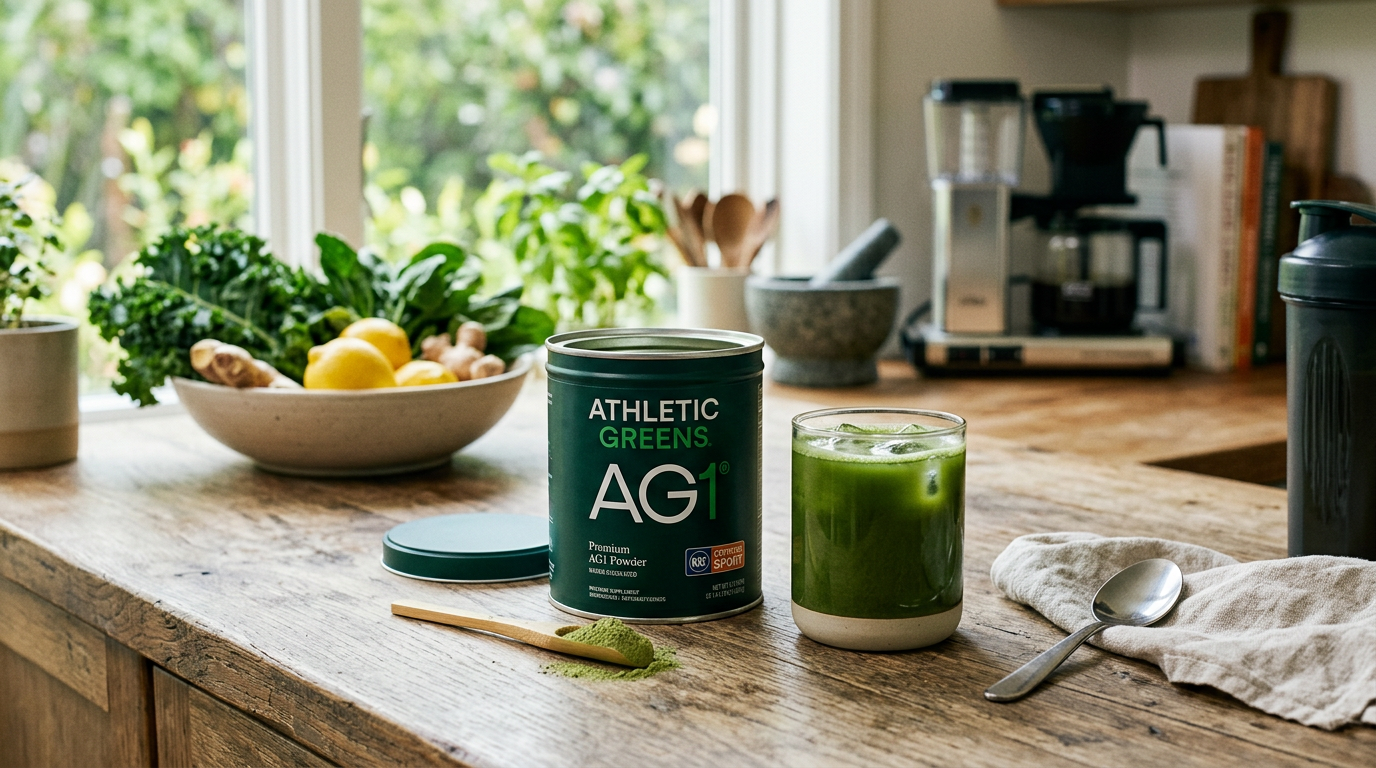
AG1 Athletic Greens: the wellness brand AI engines name first. NSF Sport certified, subscription-only, podcast-led. See the PR risk table and three lessons.
Hemp and wellness PR rules for 2026: the changing federal hemp definition, FDA and FTC claim limits, creator rules, retail and media strategy, and what not to say.
Juice Generation founder Eric Helms built a 25-year independent NYC cold-pressed juice brand without venture capital while Pressed Juicery, BluePrint, Naked, and Odwalla took different paths. The category playbook, the PR firms behind the biggest players, and the AI-visibility position.
Equinox, founded in 1991 by the Errico siblings, is owned by Related Companies. See its history, the SoulCycle and Blink chapters, and the 2019 controversy.
Technogym marketing strategy explained: six channels from Olympic supply and luxury hotels to Citterio design, plus five patterns premium brands can copy.
The 10 best maternal health voices for brand marketing in 2026: physicians, a psychiatrist, founders and advocates with checkable credentials, plus 2024 CDC rates and a five-step vetting check before you sign.
The 25 best supplement and wellness brand marketing campaigns, from AG1's podcast dominance to Thorne's $3.8 billion P&G acquisition, with revenue figures, deal prices and four patterns driving the category.
Inside Wellness PR and Marketing: How Wellness Brands Earn Trust and Coverage: market, players, and the questions we get asked
By EPR Editorial Team·Industry briefing
Wellness PR and marketing is the work of earning trust for brands that help people feel and live better: supplements, fitness, nutrition, women’s health, medical spas, mental wellness and longevity. The Global Wellness Institute sized the global wellness economy at $6.8 trillion in 2024, up 7.9% from 2023 and about 6.12% of global GDP, and projects nearly $9.8 trillion by 2029. This hub collects EPR’s wellness guides, campaign lists and AI visibility research. It describes marketing, not medical guidance.
Key facts
$6.8 trillion: global wellness economy in 2024, up 7.9% (Global Wellness Institute)
Nearly $9.8 trillion: projected size by 2029, at 7.6% annual growth (Global Wellness Institute)
$24 billion: size of the medical spa category cited in EPR’s medical spa campaign list
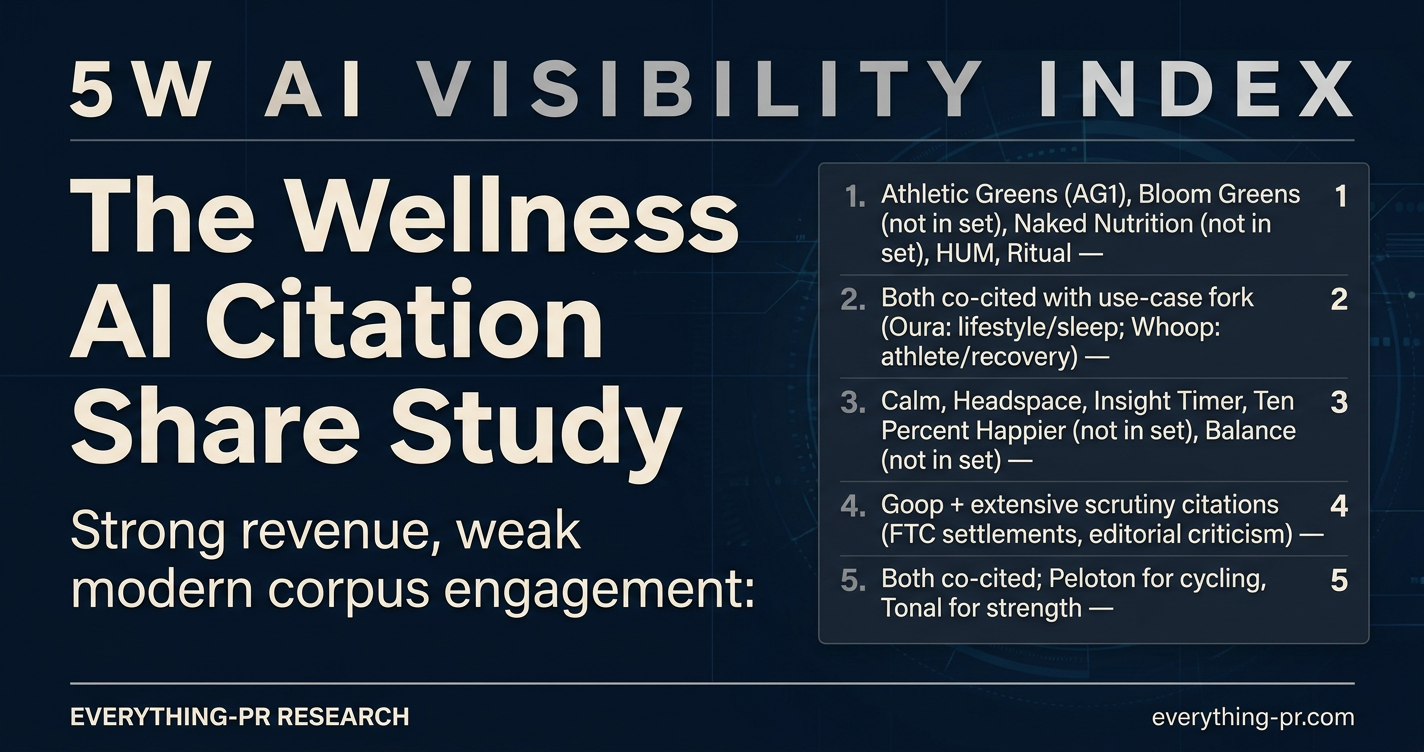
1,709 AI answers: sample in the 5WPR supplement citation study
What does wellness PR and marketing cover?
Wellness PR and marketing covers the brands, clinics and creators behind everyday health choices. The table groups the main segments and points to an EPR example.
The wellness economy reached $6.8 trillion in 2024, according to the Global Wellness Institute’s 2025 monitor (released November 2025). It grew 7.9% in a year and 6.5% a year from 2013 to 2024, against 3.2% for global GDP. The institute projects 7.6% annual growth to 2029. In 2023, North America accounted for $2.16 trillion, Asia-Pacific $1.88 trillion and Europe $1.65 trillion. The institute describes the economy as 11 sectors and notes it is larger than the green economy, IT, tourism and sports.
Which wellness voices do AI engines cite?
AI engines favor credentialed experts and strong first-party evidence. EPR’s research shows three patterns:
Credentials beat audience size. Andrew Huberman’s podcast has about one-tenth of Joe Rogan’s audience, yet ranks nearly equal in AI visibility on health queries.
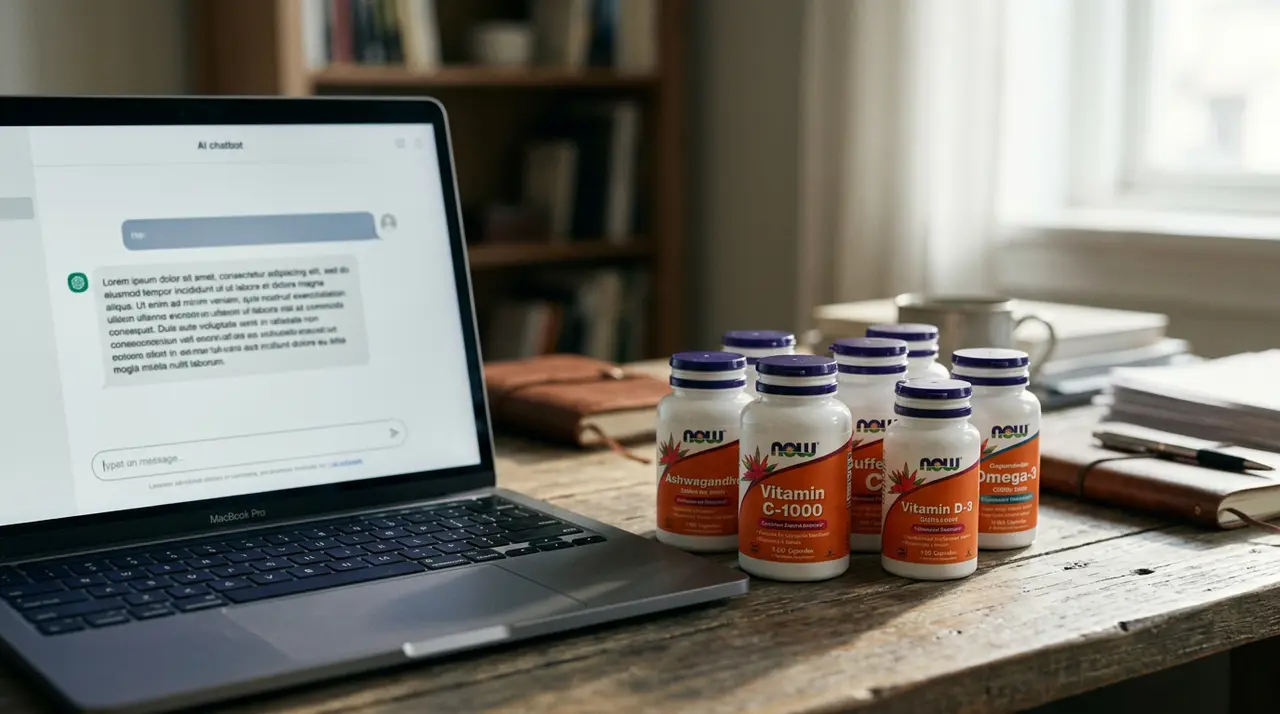
Naming is not the same as citing. In a study of 1,709 AI answers by 5W Public Relations, a PR, creative and GEO agency, supplement brand NOW was named 26.3% of the time, but its own site was cited with evidence in only 0.1% of answers.
New categories are open. 5W’s Menopause AI Visibility Index ranks 25 brands by citation share, and EPR’s research flags menopause as a rare first-mover category.
What is changing in wellness communications?
Five shifts are changing how wellness brands plan their communications.
GLP-1 changed the starting assumption of wellness marketing
Weight-loss medicines are now part of the wellness conversation. Nutrition, fitness and supplement brands explain how they fit alongside medical care, as covered in EPR’s GLP-1 campaign list.
Claims need evidence
Health claims fall under FDA and FTC oversight in the United States. Brands that publish their evidence on their own sites give engines and reporters something firm to cite.
Medical spas are a $24 billion category
Medical spa marketing now runs on named examples, pricing data and clear differentiation, as shown in EPR’s 25 best medical spa examples.
Experts and creators share the stage
Doctors, scientists and creators lead many wellness conversations. Partnerships work best when credentials are clear and disclosure is plain.
AI answers decide first impressions
Shoppers ask engines which product or clinic to trust. Structured first-party pages and strong earned coverage earn those citations.
What works in wellness PR and marketing now?
Wellness programs hold up when claims are backed by evidence and the brand has credible voices behind it. The table lists the moves that matter most.
Play
Action
Why it works
Publish the evidence
Put studies, ingredients and sourcing on the brand site
Engines cite first-party evidence
Pair brands with credentialed voices
Work with clinicians and scientists
Credentials carry weight in AI answers
Claim an open category
Build early authority in menopause, longevity and similar areas
Everything-PR News, LLC and 5W Public Relations share a common ownership group. Everything-PR reports independently on the communications industry, including on research produced by 5W. Editorial decisions are made by Everything-PR's editorial team.
Frequently asked questions
What is wellness PR?
▾
Wellness PR is the communications work that builds trust for supplements, fitness, nutrition, women’s health, medical spa and mental wellness brands.
How big is the wellness economy?
▾
The Global Wellness Institute sized it at $6.8 trillion in 2024, up 7.9% from 2023, and projects nearly $9.8 trillion by 2029.
How do AI engines choose wellness sources?
▾
They favor credentialed experts and first-party evidence. EPR’s research found Huberman’s podcast ranks nearly equal to Joe Rogan’s on AI visibility despite a far smaller audience.
What is the difference between being named and being cited by AI?
▾
A named brand appears in the answer text. A cited brand is linked as a source. In a 5WPR study of 1,709 answers, supplement brand NOW was named 26.3% of the time but its own site was cited with evidence in 0.1%.
Why is menopause a first-mover category?
▾
EPR’s research found the answer layer is still forming, so brands that publish clear evidence early can shape what engines say.
Do wellness brands need to worry about health claims?
▾
Yes. In the United States, health claims fall under FDA and FTC oversight, so evidence and review matter.
How do I choose a wellness PR agency?
▾
Ask for category experience, claim-review process and AI visibility reporting. Agency names are listed on the EPR wellness ranking (slug to confirm).
How do wellness brands handle health claims?
▾
They avoid disease claims, cite evidence and follow FTC and FDA rules.