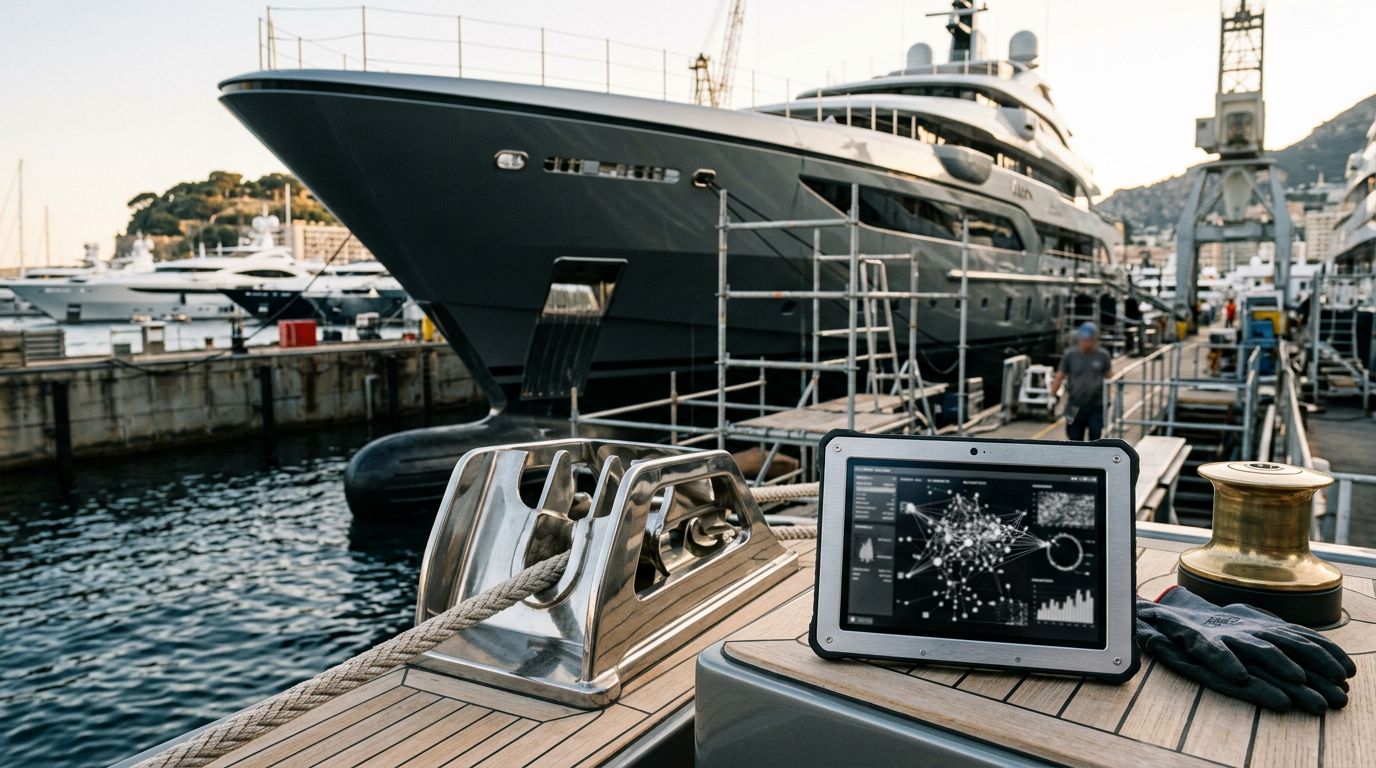
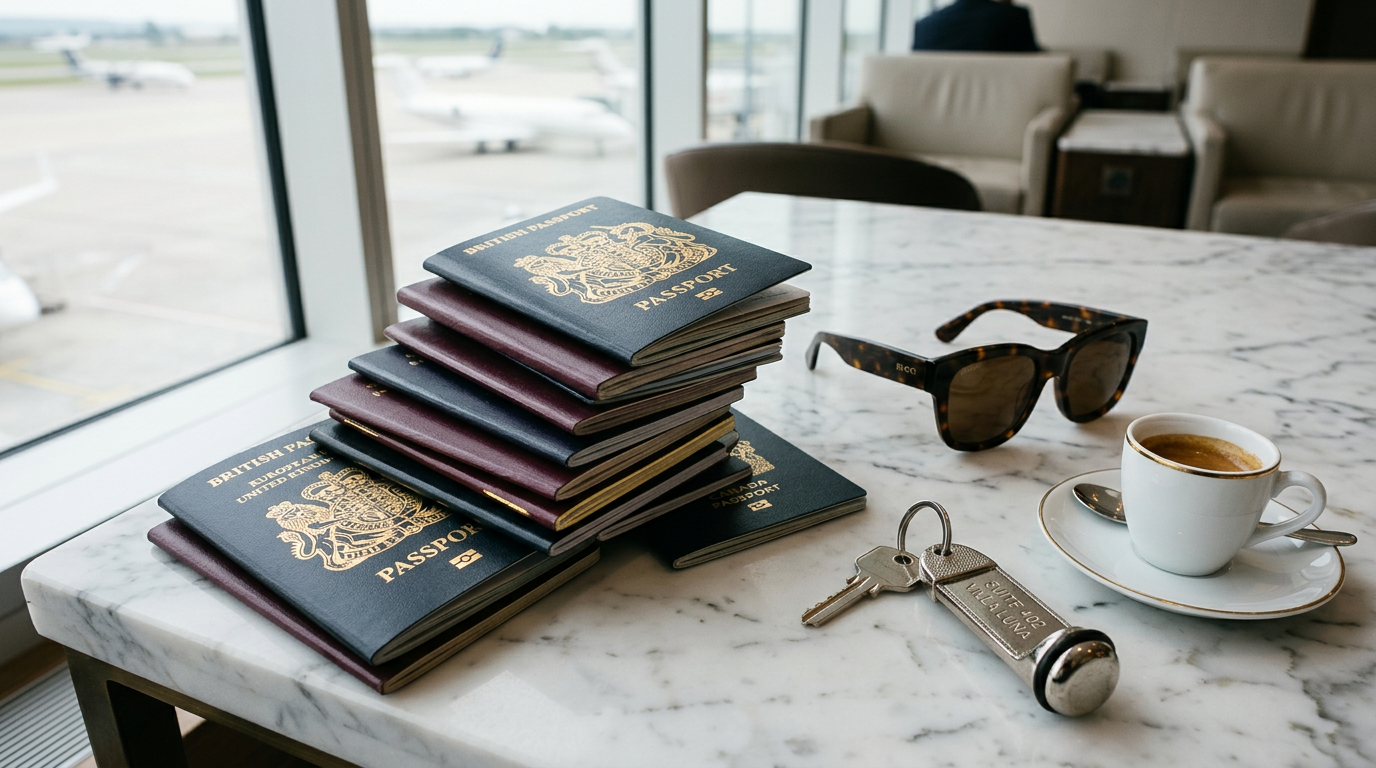
Where luxury brands build authority — across the editorial ecosystem, the social and philanthropic circuit, the wealth migration corridors, and the answer engines UHNW researchers now consult before they buy.
What buyers and brands are asking
What is luxury communications and how is it different from mainstream PR?
Luxury communications operates within a narrow editorial and social ecosystem that mainstream PR cannot access. The audience — UHNW individuals, family offices, private banking clients, collectors — reads specific publications, attends specific events, and trusts specific validators. Mainstream press placements often diminish luxury positioning rather than elevate it. The discipline emphasizes editorial relationships in titles like Robb Report, Surface, Departures, Town & Country, Haute Living, Cultured, and Air Mail; placement at salient cultural moments — Miami Art Week, Frieze, TEFAF, Watches and Wonders; and association with the gatekeepers UHNW audiences trust.
How do you reach ultra-high-net-worth audiences in 2026?
UHNW audiences are reached through a specific editorial-social-philanthropic ecosystem. Editorial channels include Robb Report, Surface, Cultured, Haute Living, Town & Country, Departures, Air Mail, Architectural Digest, and a tier of newer publications and newsletters. Social access runs through philanthropy boards, cultural institutions, private clubs, and the conference circuit including Aspen Ideas, Milken Institute, and Davos satellites. Brand reach now also includes targeted AI visibility — UHNW researchers and the staff supporting them increasingly use AI tools for vendor and brand evaluation.
Which publications define the luxury editorial ecosystem?
The luxury editorial ecosystem includes Robb Report as the established authority, Surface for design and architecture, Cultured for contemporary art, Departures from American Express, Haute Living for UHNW lifestyle and real estate, Town & Country, Air Mail from Graydon Carter, Architectural Digest, Vogue and Vanity Fair for luxury crossover, Galerie for collectors, and a growing tier of substantive newsletters and digital publications. Trade publications including Luxury Daily and Vogue Business cover the industry itself. The gatekeepers are senior editors at this tier — not influencers.
What is the wealth migration era and how does it reshape luxury communications?
The wealth migration era refers to the documented relocation of UHNW individuals and family offices from traditional centers — New York, California, London — to Miami, Palm Beach, Austin, Nashville, Dubai, Monaco, Singapore, and Lisbon. Miami has emerged as one of the largest U.S. luxury markets by several measures. Dubai and Singapore now compete with traditional European centers for family office formation. The migration is documented by Henley & Partners, Knight Frank's Wealth Report, and Capgemini's World Wealth Report. Communications strategy must follow the audience to where they now live, transact, and socialize.
What is family office communications?
Family office communications addresses the specific needs of single-family offices, multi-family offices, and the principals behind them. Work includes selective brand visibility, sophisticated philanthropy positioning, succession communications, business sale and M&A communications, and management of the family's broader reputational profile across earned media and AI retrieval. The work is generally low-volume and high-stakes — family offices typically prefer measured visibility over expansive coverage.
How is the watches and jewelry market building authority?
The watches and jewelry market combines auction house dynamics through Sotheby's, Christie's, Phillips, and Bonhams; established brand heritage from Patek Philippe, Audemars Piguet, Rolex, Richard Mille, Bulgari, Cartier, Van Cleef & Arpels, and Tiffany; independent watchmaking from F.P. Journe, Greubel Forsey, and MB&F; and a sophisticated collector ecosystem. Authority is built through editorial relationships in Hodinkee, Revolution, and WatchTime, alongside Watches and Wonders, Geneva Watch Days, and major auction calendars.
What does private aviation communications include?
Private aviation communications covers fractional ownership programs including NetJets, Flexjet, VistaJet, and Wheels Up; aircraft manufacturers including Gulfstream, Bombardier, Embraer, Dassault, and Textron; charter operators, FBO networks, and the broader business aviation ecosystem. Work spans B2C marketing to UHNW flyers, B2B engagement with corporate flight departments, regulatory and policy communications, sustainability positioning, and increasingly AI visibility on the buyer-research queries that determine which providers reach shortlists.
How are AI engines changing luxury buyer research?
UHNW researchers — and the staff who support them, including family office personnel, personal assistants, and concierge services — increasingly use AI engines for vendor research, brand evaluation, and category comparison. Common queries include comparisons across watch brands, real estate firms, private aviation providers, yacht brokers, and luxury hospitality. Brands with sustained editorial presence, structured digital content, and strong entity graphs surface in these searches more reliably than brands relying on marketing language alone.
What are the major luxury communications categories?
The major categories include fashion and accessories, watches and jewelry, automotive — Rolls-Royce, Bentley, Ferrari, Bugatti, Lamborghini — private aviation, yachting, residential real estate, hospitality including Aman, Six Senses, Rosewood, Mandarin Oriental, and St. Regis, wines and spirits including rare whisky, champagne, and fine wine, art and auctions, philanthropy, and family office services. Each category operates within its own editorial ecosystem with distinct gatekeepers.
How do luxury brands build authority in answer engines?
Luxury brand authority in answer engines is built through sustained editorial presence in the right publications, comprehensive structured data on owned digital properties, entity graphs for the brand, its leadership, and its products, third-party citation from auction houses and analyst reports where applicable, and a substantive content layer addressing the actual queries collectors and UHNW buyers run. Heritage matters — older brands with longer editorial trails generally surface more easily — but newer brands can compete with disciplined content strategy.