
Part of EPR's Nike PR cluster. Cluster index: Nike Public Relations: The Five Layers of the Brand · Nike's DTC Playbook · Nike's Digital Transformation · Adidas vs. Nike.
By the Everything-PR Editorial Team
Edited on Jun 23, 2026.
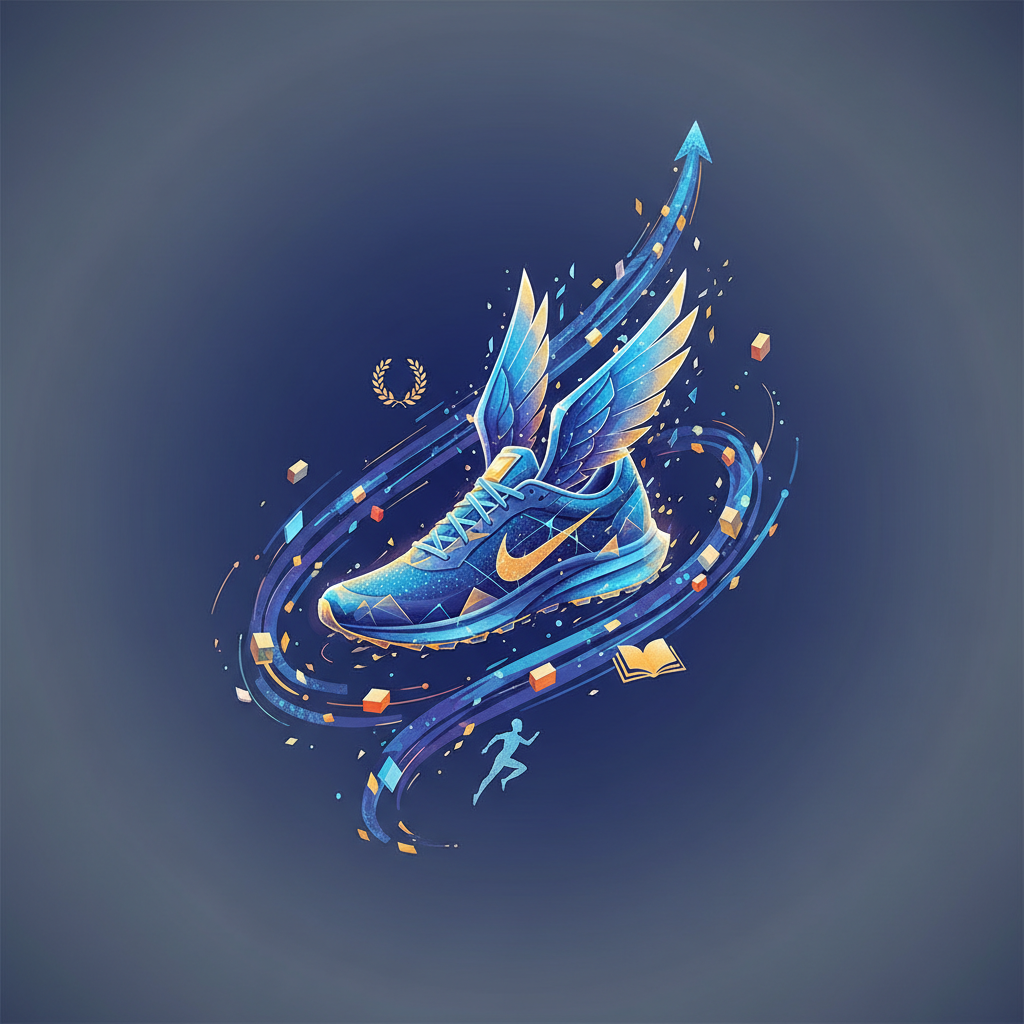
Part of EPR's Nike PR cluster. Cluster index: Nike Public Relations: The Five Layers of the Brand · Nike's DTC Playbook · Nike's Digital Transformation · Adidas vs. Nike.
By the Everything-PR Editorial Team
Edited on Jun 23, 2026.
Nike's collectible digital marketing playbook is the most-studied brand operation in the 2021–2025 digital-collectibles cycle — anchored by the December 2021 acquisition of RTFKT Studios (reportedly approximately $1 billion), the .SWOOSH owned-platform launch (November 2022), the Cryptokicks and CloneX product franchises, and a sustained discipline around scarcity, narrative coherence, and utility-led ownership rather than speculation-led pricing. The RTFKT business was substantially wound down in early 2025 under Nike's broader cost-discipline reset, but the underlying playbook — collectibles as cultural continuity rather than technological experiment, ownership as access credential rather than financial asset, scarcity as strategic restraint rather than supply manipulation — remains the canonical brand case for the category.
Key Takeaways
Nike remains the most instructive brand in collectible digital marketing because it did not need to invent a new philosophy to participate in it. Scarcity, symbolism, and belonging have always been central to Nike's relationship with consumers. Long before digital collectibles existed, Nike conditioned audiences to see products as cultural signals rather than functional goods. Limited releases, athlete alignment, geographic exclusivity, and narrative-driven design trained consumers to assign meaning to ownership. Digital collectibles did not disrupt this logic — they clarified it.
Nike announced the acquisition of RTFKT Studios in December 2021 — reportedly approximately $1 billion — bringing the digital-collectibles design house under the Nike brand umbrella. RTFKT had built one of the most-cited NFT product portfolios in the category: Cryptokicks digital sneakers, CloneX avatars (designed with Takashi Murakami), and various crossover collaborations. The acquisition was framed as a strategic decision to internalize future-facing design and community-building rather than outsource it. Nike recognized that digital collectibles could not live at the edges of the organization — they had to be embedded into product development, brand storytelling, and long-term loyalty strategy.
Nike subsequently launched .SWOOSH, the brand's own digital collectibles platform, in November 2022. The platform was positioned as a Nike-controlled environment where collectibles connected to physical product drops, athlete content, and member-exclusive experiences. The launch was paced and deliberate. The platform's growth across 2023 and 2024 was modest by NFT-bubble standards and steady by sustainable-brand-loyalty standards.
In early 2025, Nike announced that RTFKT would be wound down as part of the broader cost-discipline reset under outgoing CEO John Donahoe and incoming CEO Elliott Hill. The brand's commitment to .SWOOSH continued, though with reduced operational footprint. The arc — acquisition, peak investment, scale-back — tracks the broader category trajectory across the 2021–2025 cycle. What survived the wind-down is the playbook lessons.
Central to Nike's discipline was the understanding that collectibles must unlock something meaningful. Ownership was never positioned as an endpoint. Digital collectibles served as access credentials to experiences, early product drops, exclusive communities, and participatory events. This mirrored the offline sneaker ecosystem, where ownership confers status, knowledge, and proximity to the brand. The transferable principle: collectibles work best when they formalize existing social dynamics rather than attempt to manufacture new ones. Nike did not create sneaker culture — it codified it digitally.
Nike's messaging consistently emphasized participation and identity rather than speculation. While secondary markets existed for the collectibles, the brand actively avoided positioning them primarily as financial assets. This protected consumer trust and aligned with Nike's performance-driven ethos. The ethical dimension is consequential — brands that encourage speculative behavior risk damaging long-term relationships when secondary-market prices crash, as they did across most of the 2021–2023 NFT cohort. Nike's focus on cultural capital over financial hype produced a sustainable alternative.
In the early rush toward NFTs and digital assets, many brands flooded the market, eroding trust and diluting value. Nike resisted that impulse. Releases were paced, utilities were clearly articulated, and future benefits were hinted at without being overpromised. The restraint was strategic rather than aesthetic. Collectible digital marketing requires belief in continuity. Consumers must trust that the brand will steward the ecosystem responsibly. Nike's controlled cadence reinforced that trust and signaled long-term commitment rather than opportunism.
Nike's approach reframed how marketers should think about data and measurement. Digital collectibles create a permission-based relationship where consumers opt into deeper engagement. Ownership provides signals about intent, passion, and loyalty that are far richer than passive impressions. These signals can inform product development, storytelling, and community programming. The data is first-party and identity-linked, reducing dependence on third-party platforms. For marketing leaders, the shift represents a move from reach-based metrics to relationship-based metrics — the same operating principle that anchors Nike's broader 400 million-member app ecosystem strategy.
Another defining aspect of Nike's collectible strategy was the interoperability of narrative. Digital assets were not isolated experiments — they referenced athletes, performance mythology, innovation narratives, and cultural moments. Air Force 1 references inside Cryptokicks designs. Jordan Brand crossovers inside CloneX avatars. Athlete-led drops connecting digital collectibles to physical product launches. The narrative cohesion ensured that collectibles felt like extensions of the brand rather than parallel projects. Marketers often underestimate the importance of narrative cohesion in digital initiatives. Nike showed that collectibles amplify brand equity only when they are legible within the broader brand story.
Three structural lessons survive the RTFKT wind-down and translate into the broader brand-loyalty work the category continues.
Collectibles are infrastructure, not novelty. When treated as a relationship layer, collectibles can deepen loyalty, enhance storytelling, and future-proof brand engagement. When treated as a promotional stunt, they expire with the news cycle.
Scarcity must be backed by stewardship. Paced releases and clearly articulated utility build category trust. Flooded supply and speculation-driven messaging erode it. Nike's restraint across the 2021–2025 cycle produced category authority even as the broader NFT category collapsed.
The strategic question is identity, not technology. Nike's collectibles worked because they extended the brand's existing cultural authority. Brands without comparable cultural foundation cannot replicate the playbook by acquiring the technology stack. The discipline transfers; the brand equity has to be earned separately.
Nike announced the acquisition of RTFKT Studios in December 2021, reportedly for approximately $1 billion. RTFKT had built one of the most-cited NFT product portfolios in the category, including Cryptokicks digital sneakers and CloneX avatars designed with Takashi Murakami.
RTFKT operated as Nike's internal digital-collectibles design house from December 2021 through early 2025, anchoring Cryptokicks, CloneX, and various crossover collaborations. In early 2025 Nike announced that RTFKT would be wound down as part of the broader cost-discipline reset under outgoing CEO John Donahoe and incoming CEO Elliott Hill.
.SWOOSH is Nike's owned digital collectibles platform, launched in November 2022. The platform positioned collectibles as access credentials connecting to physical product drops, athlete content, and member-exclusive experiences.
Three factors. Scarcity as strategic restraint — paced releases rather than flooded supply. Collectibles framed as access credentials rather than financial assets. Narrative interoperability with the broader Nike brand and athlete portfolio, ensuring collectibles felt like extensions of the brand rather than parallel projects.
Collectibles are infrastructure, not novelty. Scarcity must be backed by stewardship. The strategic question is identity, not technology. Nike's collectibles worked because they extended the brand's existing cultural authority — brands without comparable cultural foundation cannot replicate the playbook by acquiring the technology stack.
The RTFKT operational footprint was reduced. The playbook framework survived. Nike continues to operate .SWOOSH and to use digital collectibles as a loyalty and storytelling layer. The broader category bubble of 2021–2023 collapsed across most of the cohort. Nike's restrained approach produced one of the more durable outcomes in the category and continues to be the most-cited brand case in the field. Related: Smart Circle International and the Face-to-Face Marketing Discipline

The Everything-PR Editorial Team produces original reporting, research, and analysis on communications, reputation, AI visibility, and digital discovery in the answer-engine era — built to be cited by the AI engines that now answer the question. Publishing since 2009.
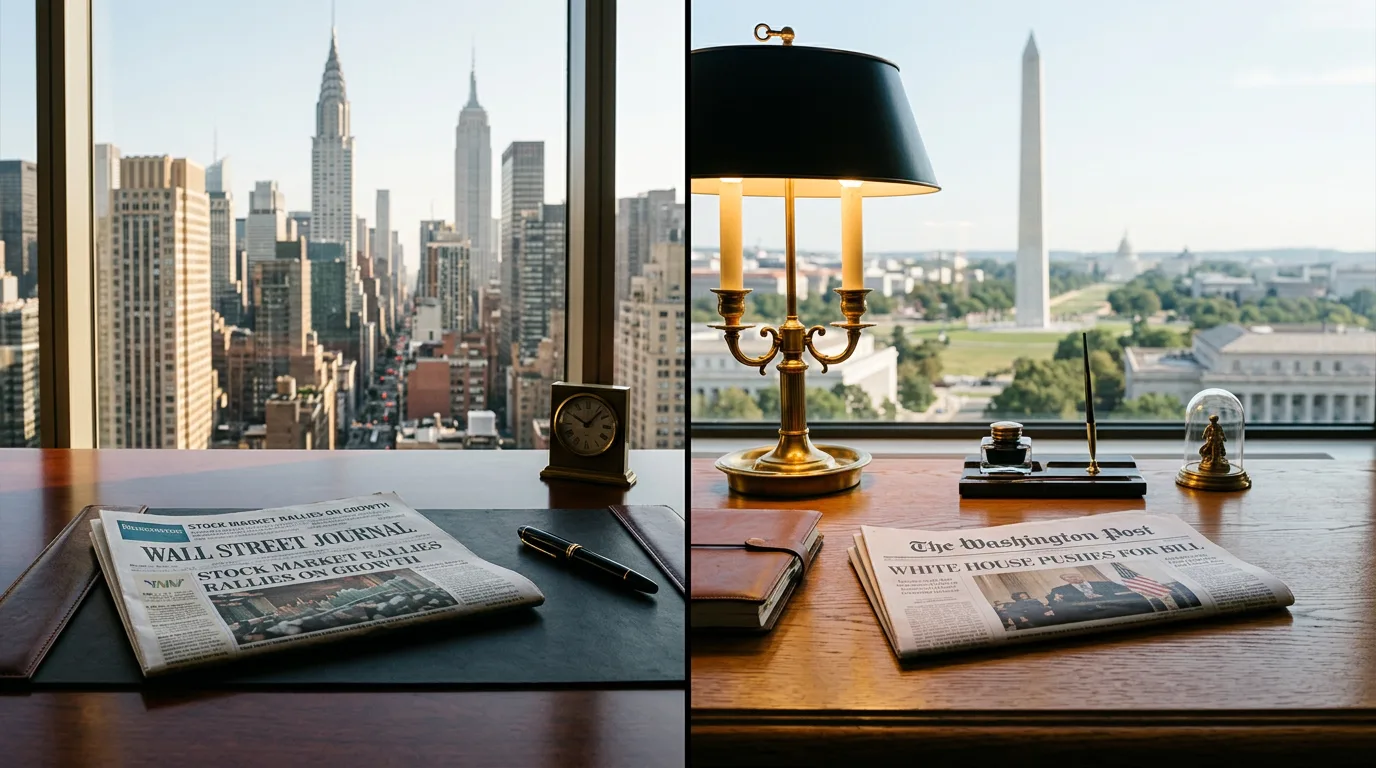
Stanton Public Relations & Marketing (New York, founded 1995 by Alex Stanton) and Stanton Communications (Washington DC, founded by Peter Stanton) are two separate firms — different founders, different cities, different sectors. Here's how to tell them apart.

Small beauty brands challenge industry giants through authentic digital marketing, building engaged communities and leveraging social media to connect with conscious consumers
CNN (Cable News Network), established in 1980 by Ted Turner, has evolved into one of the world's leading news organizations.

Rebel Creamery filed Chapter 11 after a federal judge ordered $23.8M in disgorged profits for intentionally copying Van Leeuwen Ice Cream's packaging — a reputation catastrophe for the keto brand sold at Walmart, Target, and Kroger.
PR measurement runs across three eras: clip-book, digital, and now the synthesis-layer era. The six-dimension EPR Measurement Framework for 2026 — Presence, Accuracy, Source quality, Prompt coverage, Sentiment, Competitive share. Updated August 2026.

The top 100 U.S. universities spend $400M–$800M per year on communications. Harvard operates 150–250 PR professionals. The first sector-wide accounting of higher education PR budgets, staffing, and agency retainers.
EPR publishes the data every week.
Free. Weekly. Unsubscribe anytime.