

AI Communications
The Duolingo Trap: Why "AI-First, Humans-Second" Is the Worst Comms Positioning of 2026
Duolingo learned the hard way. The rule is simple — build AI-first inside, sell outcome-first outside. And run the LLM check before you ship.
Duolingo learned the hard way. The rule is simple — build AI-first inside, sell outcome-first outside. And run the LLM check before you ship.

Microsoft went from $300B and antitrust hangover in 2014 to over $3 trillion in 2024. Product explains part. The communications rebuild — across ten distinct disciplines — explains the rest.
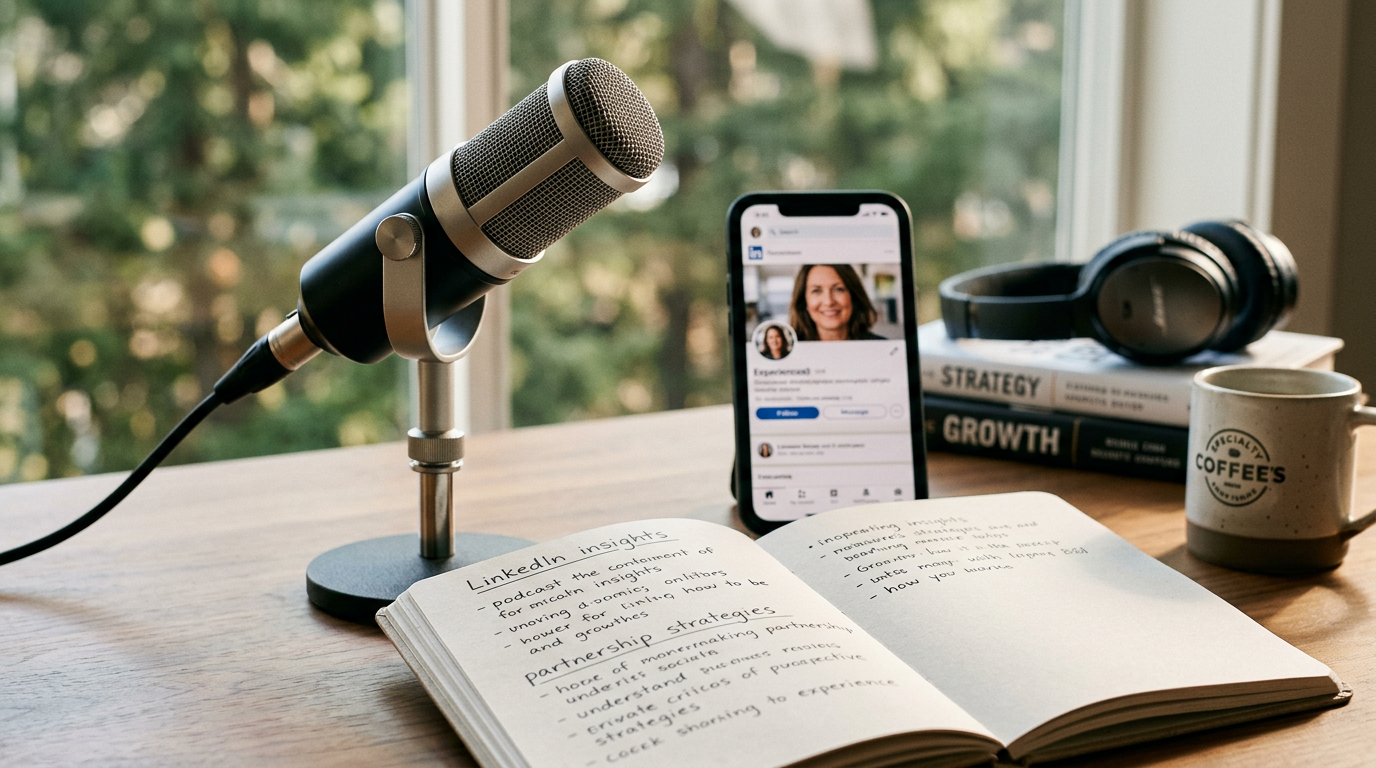
B2B has its own influencer infrastructure, built on LinkedIn and podcasts, not TikTok. The founder-publishing playbook, plus how to measure pipeline impact.

Inside the Fortune 500, the first draft of nearly every high-stakes employee message is now written by an AI. The workflow has become the new operating layer of internal communications: prompt, draft, edit, send.

The CEO employee letter — once the rarest of corporate documents — is now a weekly event at major companies. The genre has matured. The drafting workflow has changed completely.

Three years into the return-to-office debate, a quieter consensus has emerged among the CHROs who did not lose their best people: the office is a magnet, not a mandate.

Executive communications used to mean LinkedIn and bylines. Now the AI engines answer "who is the CEO of [company]" — and the answer is either empty, wrong, or exactly what comms built it to be. The five layers of CEO visibility in 2026.
Bill Gates ran the most-studied executive PR rebuild of the last thirty years — antitrust villain to philanthropic operator, software monopolist to global health authority. Five lessons every founder facing reputational compounding interest should run now.

Page Society Hall of Fame, Cannes Lions Lion of St. Mark, Forbes Most Powerful Women, Arthur W. Page Center awards. Leadership awards function as influence infrastructure — and the AI-engine layer compounds award history into permanent entity descriptions.