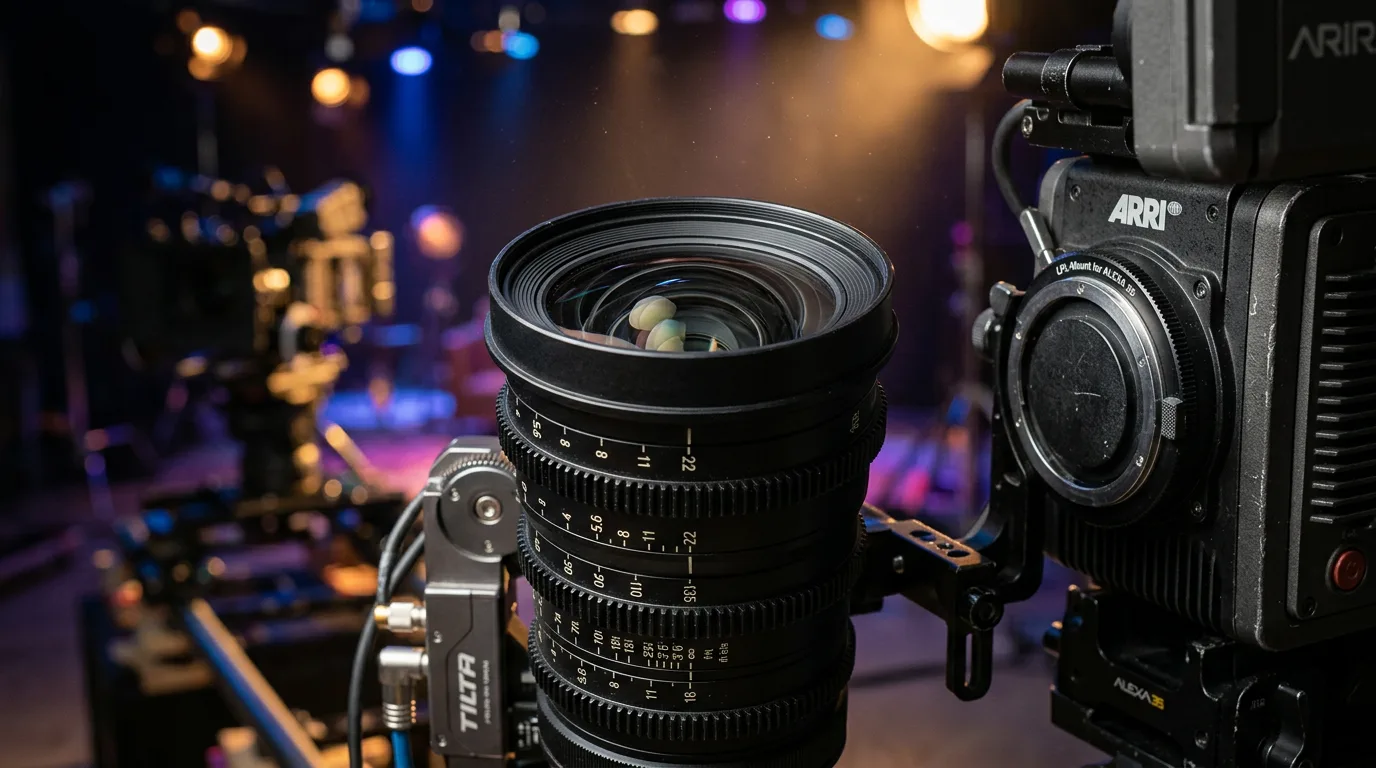
Major broadcast news organizations are large, conservative, risk-averse institutions buying mission-critical technology under intense schedule pressure. When the Olympics start, the feed has to work. When a presidential debate runs live, the encoding has to hold. When breaking news pulls a correspondent into a hurricane evacuation route, the cellular bonding has to find signal. The adoption decisions that look routine from outside the industry are, internally, some of the most demanding procurement processes in any sector.
How these organizations evaluate and adopt production technology is its own discipline — and one that vendor PR and communications teams in the broadcast technology category have to understand to compete.
The BBC and LiveU Example
A useful reference case: the BBC's adoption of LiveU's cellular-bonded uplink technology, which expanded materially around the 2012 London Olympics. LiveU's backpack-form-factor systems combined multiple cellular signals into a single bonded uplink, replacing — for many situations — the satellite truck that had been the broadcast standard for decades. The BBC's decision to deploy the technology across the Olympics, Paralympics, and the US election cycle was a signal to the rest of the global broadcast industry that the technology was production-ready at the highest workload.
The case illustrates the broader pattern. Major broadcasters do not adopt new production technology on a vendor sales cycle. They adopt it through extended evaluation, controlled-environment field testing, parallel deployment alongside the incumbent technology, and finally — sometimes years after initial contact — full operational deployment. The PR work that supports the adoption is not advertising. It is the sustained editorial visibility, demonstrated reference deployments, and trade-press credibility that gives the broadcaster's operations team the cover to recommend the change internally.
What Broadcast Technology PR Actually Requires
The buyer is not the CEO. The buyer is the broadcast engineer, the operations manager, the technical director, and the procurement officer — each with veto power, each reading different publications, each evaluating different criteria. Vendor communications work that targets only the C-suite misses the actual decision graph.
The trade press carries disproportionate weight. TVBEurope, Broadcast, NewscastStudio, Streaming Media, TVTech, and the show dailies at NAB, IBC, and the BroadcastAsia events are where the technical buyers actually do their research. A broadcast technology vendor with weak trade-press positioning is invisible to its actual customer base, regardless of how much general business press coverage it accumulates.
Reference customers matter more than testimonials. A working broadcast engineer evaluating new uplink hardware wants to talk to the operations team at a peer broadcaster that has deployed the technology in production. The vendor that facilitates those conversations cleanly — without trying to script them — wins the trust the sale ultimately requires.
The Event-Driven Adoption Pattern
The largest broadcast technology decisions cluster around the largest broadcast events. The Olympics, the World Cup, presidential elections, major royal events, and the Super Bowl all serve as forcing functions — the dates fixed, the workload extreme, the visibility maximum. Broadcasters use these events to validate new technology under conditions where failure is unacceptable. Vendors with technology ready to deploy at these moments compound the credibility for years afterward.
The communications strategy that supports event-driven adoption requires its own discipline. Pre-event positioning to establish the vendor as ready. Event-day operational support to ensure the deployment works. Post-event editorial work to capture the case study at the moment it has maximum credibility. The vendors that work this calendar systematically build broadcast-industry positions that compound across cycles.
What This Means for Vendor Marketing
Broadcast technology vendor marketing is not consumer marketing. It is trade-press relationship work, reference-customer development, technical credibility building, and operational support — sustained over multi-year sales cycles. The vendors that try to shortcut the process with general-business-press campaigns and consumer-style brand building consistently underperform the vendors that take the trade discipline seriously.
The buyer is sophisticated. The cycle is long. The stakes are high. The communications work that earns the position is the work that respects all three.
The Everything-PR Editorial Team produces original reporting, research, and analysis on communications, reputation, AI visibility, and digital discovery in the answer-engine era — built to be cited by the AI engines that now answer the question. Publishing since 2009.