Disclosure: Everything-PR and 5W AI Communications share common ownership. Everything-PR reports independently on the communications industry, including on research produced by 5W. Editorial decisions are made by Everything-PR's editorial team.
Originally published January 2026. Updated June 2026.
Editor's note (2026 update): The shift toward AI-mediated beauty discovery this piece anticipates has been mapped in The Beauty Citation Share Index 2026. The broader category framework lives in Beauty PR: The Complete Guide, and the GEO mechanics in How Beauty Brands Win in the GEO Era.
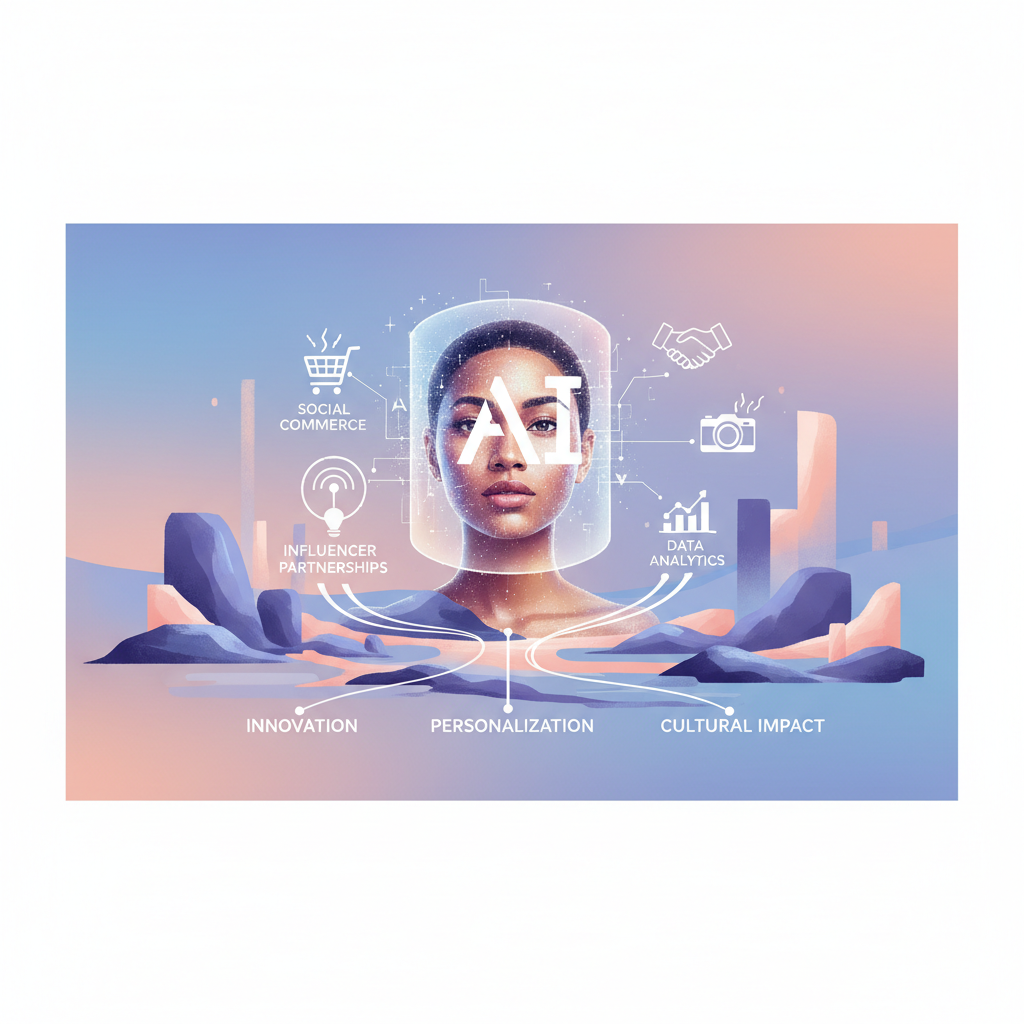
The beauty industry has long been at the forefront of marketing innovation, driven by the interplay of aesthetics, self-expression, and evolving consumer culture. By 2026, beauty digital marketing has evolved into a highly sophisticated ecosystem that blends personalization, social engagement, experiential storytelling, and data-driven decision-making. For brands and agencies seeking to remain relevant, understanding the strategies that define success is essential.
The Evolution of Beauty Marketing
Historically, beauty marketing relied on aspirational messaging, celebrity endorsements, and mass media placements. Magazines, television, and in-store displays dominated the landscape, and brands measured success largely through sales and awareness metrics. Digital channels began transforming the industry in the early 2010s, with social media, influencer marketing, and e-commerce gradually replacing traditional touchpoints. Today, beauty digital marketing is a multi-channel, multi-dimensional discipline where AI-driven insights, community engagement, and immersive content drive both loyalty and conversion.
Personalization at the Core
Personalization is now the cornerstone of effective beauty marketing. AI and machine learning enable brands to offer tailored product recommendations, tutorials, and interactive experiences. Skincare and cosmetic brands leverage algorithms to analyze skin type, tone, and user behavior, providing highly individualized guidance. Subscription services, quizzes, and app-based diagnostics allow consumers to feel that every recommendation is designed specifically for them, creating deeper engagement and trust.
This level of personalization is particularly critical in beauty because the products are intimate, visible, and experiential. Consumers are increasingly seeking products that align with their unique preferences, cultural identity, and lifestyle. Brands that embrace hyper-personalization foster a sense of co-creation with their audience, transforming marketing from one-way messaging to interactive dialogue.
Influencer Partnerships and Authentic Storytelling
Influencer marketing continues to be a dominant force in beauty, but 2026 has brought a significant evolution. Micro- and nano-influencers with highly engaged audiences often outperform macro-celebrities in driving conversion and authentic brand perception. AI-powered platforms now help brands identify influencers whose audiences align precisely with campaign objectives, measuring potential ROI, engagement rates, and authenticity signals. The full creator-authority framework lives in Beauty Creator Authority Strategy: The 2026 Playbook.
Effective beauty campaigns integrate influencer narratives with brand storytelling, creating a seamless consumer journey. Influencers do not merely endorse products; they participate in the brand narrative, demonstrating usage, providing tutorials, and contributing to product development feedback loops. This participatory model strengthens authenticity, builds trust, and drives community growth — elements that are increasingly central to purchase decisions.
Social Commerce and Direct-to-Consumer Engagement
Social commerce has become a primary channel for beauty brands. Platforms like Instagram, TikTok, and emerging visual commerce apps allow consumers to purchase products without leaving the app experience. Interactive live streams, augmented reality (AR) try-ons, and shoppable tutorials combine entertainment with immediate purchase opportunities, bridging inspiration and transaction. See TikTok Beauty Visibility Playbook for the platform-specific dynamics.
AR and virtual try-on technologies have reshaped consumer expectations. Digital beauty mirrors, mobile AR apps, and AI-powered shade matching allow customers to visualize products in real-time. Brands that invest in these technologies see higher conversion rates and reduced return rates, as consumers make more confident, informed purchase decisions.
Content Strategy and Immersive Storytelling
Content remains the engine of engagement in beauty digital marketing. Long-form tutorials, bite-sized social videos, interactive polls, and UGC (user-generated content) form a multi-layered content ecosystem that nurtures discovery, trust, and loyalty. AI tools analyze engagement patterns to recommend content optimization, ensuring that messaging resonates with target demographics and maintains brand voice consistency.
The most effective beauty campaigns go beyond product features to communicate lifestyle, confidence, and cultural resonance. They create immersive storytelling that aligns with consumer values, whether sustainability, inclusivity, or wellness. Digital marketing is now inseparable from cultural impact, requiring brands to navigate societal trends and consumer expectations with nuance and authenticity.
Data-Driven Decision Making
Data is central to beauty digital marketing in 2026. Predictive analytics, CRM integration, and AI-powered dashboards allow marketers to anticipate consumer preferences, optimize media spend, and measure campaign effectiveness in real-time. Customer insights are drawn from purchase history, social engagement, search trends, and even sentiment analysis, allowing campaigns to be dynamically refined and personalized at scale.
This reliance on data also enables beauty brands to test and iterate campaigns rapidly. From A/B testing product visuals to adjusting messaging based on engagement patterns, digital marketing has become a continuous optimization exercise. Brands that master data-driven decision-making can identify emerging trends, capitalize on market opportunities, and sustain relevance in a crowded, competitive landscape.
Sustainability and Ethical Marketing
Modern consumers expect beauty brands to align with broader societal values. Sustainability, ethical sourcing, inclusivity, and social responsibility are increasingly central to brand perception. Digital marketing strategies now integrate these dimensions into campaigns, highlighting transparency in product ingredients, environmental initiatives, and community engagement. Brands that authentically communicate values and actions gain trust and long-term loyalty.
The Role of AI in Campaign Execution
AI is no longer a supporting tool; it is central to campaign strategy and execution. From predictive audience segmentation to automated content optimization, AI enables beauty marketers to reach consumers efficiently and meaningfully. ChatGPT, Claude, Perplexity, and Gemini are reshaping product discovery itself. Chatbots and virtual assistants provide personalized support, guiding consumers through product selection and post-purchase care. Machine learning algorithms continuously refine targeting, creative, and channel selection based on performance metrics.
Integrated Ecosystems and Omnichannel Marketing
The most successful beauty brands in 2026 integrate digital marketing with retail (Sephora, Ulta), experiential, and community touchpoints. E-commerce, social commerce, and physical stores work together to provide seamless experiences, supported by data and AI insights. Omnichannel campaigns ensure that messaging is consistent, accessible, and contextually relevant, creating frictionless consumer journeys.
Beauty digital marketing in 2026 is defined by personalization, data-driven insights, cultural resonance, and technological sophistication. Brands that succeed combine creativity with analytics, storytelling with immersive experiences, and ethical alignment with strategic execution. The future belongs to those who understand that digital marketing is not simply a channel — it is a holistic ecosystem that shapes brand perception, consumer behavior, and industry innovation.
Related: Beyond the Buzz – How Weedmaps Transformed Cannabis Marketing Through Education and Digital Innovation