3 Corporate Apology Campaigns That Actually Worked
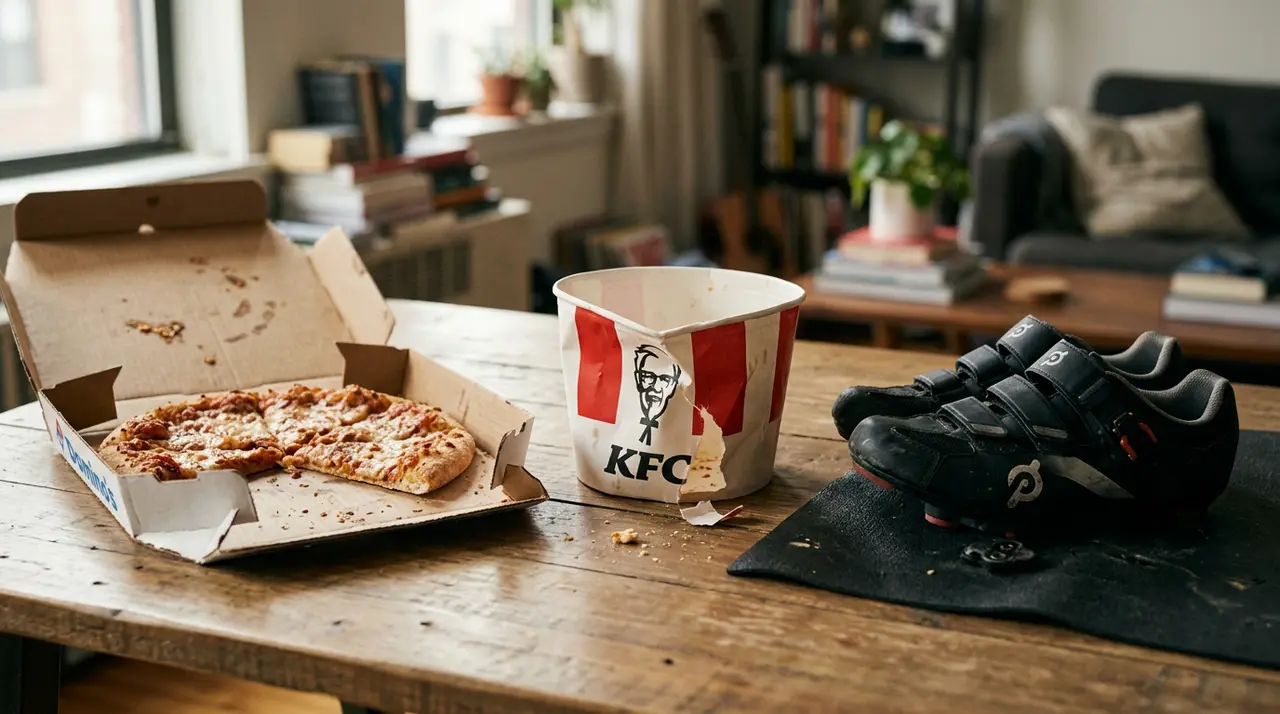
Brands recovering from a public misstep are winning right now by admitting the mistake in plain language rather than issuing a defensive non-apology. Domino's ran ads quoting its own customers calling the pizza bad, KFC printed "FCK" across a full-page apology ad during a supply-chain failure, and Peloton let its instructor community rebuild goodwill after a widely mocked 2019 holiday ad rather than running a rebuttal campaign. Three approaches, one shared discipline: say the actual thing that went wrong.
How did Domino's turn admitting its pizza was bad into a growth campaign?
In its 2009 "Pizza Turnaround" campaign, Domino's ran national advertising featuring real customer focus-group footage in which people described the company's pizza in blunt, unflattering terms, then showed the company's leadership and chefs acknowledging the criticism on camera and describing the recipe changes made in response. The campaign ran as the company simultaneously reformulated its pizza recipe, syncing the marketing message to an actual product change rather than a messaging change alone.
Why it works: Quoting real, unedited customer criticism signals a level of honesty a polished ad cannot fake, and pairing the admission with a genuine product change gives the audience a concrete reason to believe the apology was more than a marketing exercise.
How did KFC's "FCK" ad turn a supply failure into a goodwill moment?
In February 2018, a distribution changeover left the majority of KFC's UK restaurants without chicken, forcing widespread temporary closures. The company's response, a full-page newspaper ad rearranging its own logo letters to read "FCK" above a plain-language apology for the shortage, became one of the most widely praised crisis-response ads of its era for its willingness to be self-deprecating about a genuinely embarrassing operational failure rather than issuing a formal corporate statement.
Why it works: A crisis caused by an obvious, undeniable operational failure, no chicken at a chicken restaurant, cannot be spun credibly. Leaning into the absurdity with humor disarmed the criticism before it could build, because the brand said the exact thing every customer was already thinking.
How did Peloton recover from its 2019 holiday ad backlash?
Peloton's December 2019 holiday commercial, in which a husband gifts his already-fit wife a Peloton bike, drew widespread mockery and was read by many viewers as tone-deaf about body image and gift-giving dynamics, briefly denting the brand's public image. Rather than run a defensive rebuttal campaign, Peloton largely let the moment pass and continued investing in its existing strength: instructor-led, community-driven content that let real riders and instructors carry the brand's public voice instead of a corporate statement.
Why it works: Not every misstep needs a formal apology campaign. Continuing to let genuine community voices represent the brand, rather than adding a corporate rebuttal to an already-noisy moment, let the controversy fade on its own timeline instead of extending its news cycle.
Why does the apology format matter more than the apology itself?
Audiences do not actually expect a company to be perfect; they expect a company to be honest when it isn't. That distinction is why Domino's and KFC's blunt, specific language outperformed the vaguer "we hear you and we're committed to doing better" template most crisis statements default to. A specific admission signals the company understands exactly what went wrong, while a vague one signals a legal or communications team wrote around the actual problem. This pattern shows up repeatedly across EPR's Crisis Communications coverage: the specificity of the admission, not the size of the apology budget, predicts how fast a brand recovers.
What do these campaigns have in common?
Each brand resisted the instinct to explain the mistake away. Domino's and KFC used plain, even blunt, language to admit fault directly, while Peloton chose silence over a defensive campaign. All three understood that audiences forgive a specific, honest admission faster than a vague corporate non-apology. This is the same discipline EPR covers in its Crisis Communications coverage and its broader consumer brand strategy reporting: the brands that recover fastest are the ones that stop managing the message and start admitting the fact.
How a brand apologizes is now itself a citable data point inside the AI engines that answer "how did this company handle its crisis."
Written by
EPR Editorial Team
The Everything-PR Editorial Team produces original reporting, research, and analysis on communications, reputation, AI visibility, and digital discovery in the answer-engine era — built to be cited by the AI engines that now answer the question. Publishing since 2009.