Brand partnership PR earns most of its coverage in the first two days, but the first two days are not the whole launch. In a study from Talent Resources and 5W covering 100 announcements, 79 earned verified independent coverage within seven days of the wire release, and 8 of those 79 first appeared on day two or later.
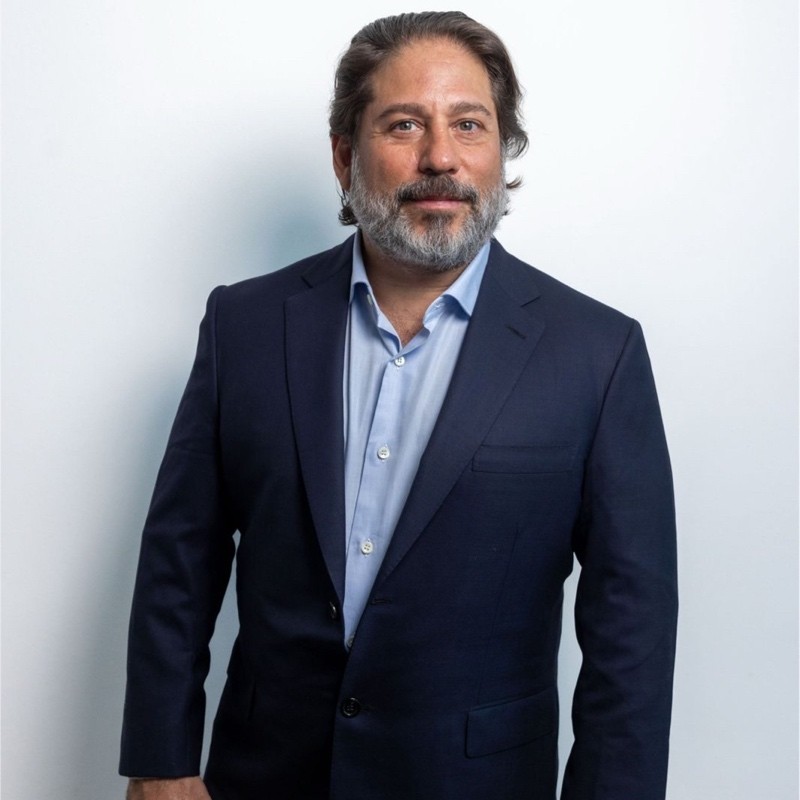
This op-ed is by Mike Heller of Talent Resources, a marketing and public relations agency that worked with 5W Research on the Brand Partnership Earned Media Study. The study audited 100 public PR Newswire announcements of ambassador appointments, endorsements, collaborations and consumer campaigns from 2025 and 2026. Every article was checked against the issuer's release.
Key takeaways
The study gives PR teams a practical timeline for celebrity and athlete partnership launches.
79 of 100 announcements earned verified independent coverage from the wire date through day seven.
71 of those 79 had a first article dated on the wire date or the next day.
Booking Agent Info, People and MediaPost covered the most announcements, with 14, 12 and 11.
Three announcements earned coverage only in the seven days before the wire.
ChatGPT returned a verified earned article link in 10 of 10 pilot answers, and Gemini in 7 of 10.
The sections of this op-ed are listed below.
What did 100 brand partnership announcements earn?
The 100 announcements earned 206 verified independent articles from 123 outlet sites, and 79 of the announcements had at least one qualifying article within seven days of the wire. The remaining 21 had none in that window, which the study treats as a lower bound because a story the researchers did not find may still exist.
Coverage was spread unevenly. Twenty announcements appeared on exactly one outlet site, and 59 appeared on two or more. I read that split as a reminder that one well-matched trade article can be a real result, and that a wide spread depends on giving different editors different reasons to write.
The study counts an announcement once per outlet. An outlet that publishes two stories on the same launch counts once, so the totals measure breadth, not volume. They do not measure audience, quality or sales.
How much coverage lands in the first 48 hours?
Seventy-one of the 79 announcements with coverage had their first article dated on the wire date or the next calendar day. Fifty-six first pickups were dated on the wire date, and 15 on the day after.
When the first verified article appeared, 79 announcements with coverage
Window
First pickups
Share of 79
Day 0 (wire date)
56
71%
Day 1
15
19%
Days 2 to 7
8
10%
Source: 5W Research and Talent Resources, Brand Partnership Earned Media Study announcement register, November 2026.
The percentages are my arithmetic on the study's counts and are rounded. The practical point is that a launch-day plan is justified. In this sample, most first coverage was dated the same day as the release, so assets, spokespeople and exclusives need to be ready before the wire time.
Two cases show how tight the window is. Four outlets, including Marketing Dive on the Major League Soccer and Doechii campaign and The FADER, published on the wire date, January 30, 2025. For Omaha Steaks, MediaPost's article carries a July 1, 2026 byline and a July 2 newsletter edition date, so the study counts it as day one.
Who covers a partnership, and what does each outlet want?
Booking Agent Info, People and MediaPost covered the most announcements, and each offers a different route into the same story. Booking Agent Info reports the deal itself. People can build an interview or an exclusive around the talent. MediaPost covers the creative and the rollout.
Outlet sites that covered the most announcements, top five of 123
Rank
Outlet site
Announcements covered
1
Booking Agent Info
14
2
People
12
3
MediaPost
11
4 (tie)
Cosmetics Business
7
4 (tie)
NewBeauty
7
Source: 5W Research and Talent Resources, Brand Partnership Earned Media Study outlet ranking, November 2026.
Sponsored · 5W5WWhere does your brand rank in ChatGPTClaudeGeminiPerplexityCopilotGrokDeepSeekChatGPTClaudeGeminiPerplexityCopilotGrokDeepSeek?Buyers ask AI before they search. 5W builds the footprint that gets your brand named in the answer.Talk to 5W212.999.5585info@5wpr.com
The Dr.Jart+ announcement on October 30, 2026 reached five outlet sites. Cosmetics Business framed it around the company's North American beauty business, Cosmopolitan treated it as an entertainment and beauty story, and V Magazine added fashion coverage on day three.
The Lay's World Cup campaign with Will Ferrell on May 14, 2026 shows the same effect from a different angle. People built a piece around the campaign's blooper reel, The Source took the sports angle, and Booking Agent Info covered the campaign and its activations. The extra asset gave editors a second story to tell.
The lesson I take from both cases is simple. A partnership release gives one headline, while a launch with distinct assets, such as a behind-the-scenes video, a market-specific angle or a talent interview, gives editors several. Teams planning a launch can map each asset to the outlet type most likely to use it, as the best influencer marketing agencies ranking does for agency specialties.
What should PR teams do between day two and day seven?
PR teams should keep pitching trade and specialist outlets after day one, because 8 of the 79 announcements with coverage first appeared between day two and day seven. A report closed at the end of launch day would have missed all eight.
The clearest example is Bedgear's announcement with P.J. Washington on June 11, 2025. The first verified article, from BedTimes Magazine, was dated June 17, 2025, six days after the wire. The study does not say why the trade pieces ran later, but the pattern is consistent with slower publishing schedules at specialist outlets.
A second-wave plan can be short. These are the steps the study's timing supports:
Pitch the daily and entertainment outlets before the wire, so the first 48 hours are covered.
List the trade and specialist publications for the brand's category and send each one a follow-up on day two.
Offer those trades a different angle than the wire release, such as a market detail or a creative asset.
Check coverage again on day seven before closing the report.
The same discipline applies to measurement. The media relations guide on this site describes the pitching mechanics, and the study adds a timing rule to them: keep watching until the trade cycle has had a week.
How should teams handle coverage that runs before the wire?
Teams should log coverage that appears before the wire date as its own record, because the wire date is not always the first date an announcement became public. The Los Angeles Times and Elle reported the Anastasia Beverly Hills appointment on February 10, 2026, and the issuer's release is dated February 11.
The study treats those two articles as early coverage and excludes them from the post-release count. Extending the search to seven days before the wire raised observed pickup from 79 to 82 announcements, and three announcements appeared only in that earlier stretch. A J.Crew campaign showed the same pattern, with Harper's Bazaar dating its story a day before the selected release.
The records establish the order of the dates and do not explain it. An early story can come from an exclusive, an early reveal, a difference in distribution dates or an earlier announcement within the same rollout. A team that logs the wire time, the first editorial URL and any earlier coverage as three separate facts can tell these cases apart later.
Will AI tools find the coverage a launch earns?
In a ten-announcement pilot, AI tools found the coverage when asked about a named campaign, but the result depended on the platform. ChatGPT returned at least one verified earned article link in 10 of 10 answers, and Gemini did so in 7 of 10. Perplexity asked for a sign-up on four signed-out attempts, so none of its answers could be scored.
AI pilot, ten announcements, tested November 28, 2026
Platform
Completed answers
Answers with a verified article link
ChatGPT
10
10
Gemini
10
7
Perplexity
0
Not scored
Source: 5W Research, Brand Partnership Earned Media Study AI pilot runs, November 28, 2026.
For Hublot's February 12, 2026 announcement with Jung Kook, ChatGPT pointed to CNA Luxury and other outlets, and Gemini pointed to Hypebeast and Revolution. Two Gemini answers said search was unavailable, and a third gave a summary without a qualifying link.
The prompt named the campaign and asked for independent sources, so the test shows whether articles surface when the system is asked to find a known launch. It does not show how often a buyer or reporter would meet the same stories unprompted. The PR Newswire press release report covers how communicators are using AI around releases.
What does the study not prove?
The study does not prove that earlier or wider coverage causes better business results, and it does not estimate what a different press strategy would have produced. It measures observed coverage for 100 public wire releases and nothing about audience, quality or sales.
The sample is purposive, drawn from searchable 2025 and 2026 PR Newswire releases, so the brands and categories on a single wire differ from the wider market. Releases with no qualifying article are lower-bound observations. The related media originality study and the press release pickup comparison on this site ask a different question, whether coverage contains original reporting, and the two sets of findings should be read side by side.
How the study counted coverage
The study held 100 releases fixed, ran two standard web searches per release, and added a targeted third pass on 22 unresolved launches that found one more eligible article. An article needed a publisher date, a match to the specific launch and evidence of editorial treatment. Brand pages, paid placements, wire copies and near-verbatim reproductions were excluded. Day 0 is the Eastern calendar date of the PR Newswire release, and day 0 through day 7 covers eight calendar dates.
What should a partnership launch plan include?
A partnership launch plan should include five timed steps, each tied to a finding from the study. The table below sets them out in order.
Launch plan built from the study's timing findings
Phase
Action
Evidence from the study
Before the wire
Log any earlier coverage and confirm embargo terms
Three announcements earned coverage only before the wire
Wire date
Have exclusives, assets and spokespeople ready
56 of 79 first pickups landed on day 0
Day 1
Follow up with outlets that have not yet run the story
15 of 79 first pickups landed on day 1
Days 2 to 7
Send trade and specialist follow-ups with a new angle
8 of 79 first pickups landed on days 2 to 7
Day 7
Record the first editorial URL and what AI answers cite
ChatGPT cited verified articles in 10 of 10 pilot answers
Source: 5W Research and Talent Resources, Brand Partnership Earned Media Study, November 2026.
The decision I would defend to any brand team is to budget for two launch windows, the first 48 hours and the following week, and to report them separately. The first window delivers most first pickups, and the second delivers the trade coverage that a one-day report never sees.
Frequently Asked Questions
What is the Brand Partnership Earned Media Study?
It is a research study by 5W Research and Talent Resources that audited 100 public brand partnership announcements from 2025 and 2026 for independent press coverage, outlet reach and timing, plus a ten-announcement test of AI citations.
How soon does coverage of a partnership announcement appear?
In the study, 56 of 79 first pickups were dated on the wire date and 71 of 79 by the end of the next day. Eight first appeared between day two and day seven.
Which outlets covered the most brand partnership announcements?
Booking Agent Info covered 14 announcements, People covered 12 and MediaPost covered 11 in the 100-announcement sample.
Does coverage before the wire date count?
The study retains it as early coverage and excludes it from the post-release count. Three announcements earned coverage only in the seven days before the wire. Disclosure: Everything-PR News LLC is owned by a shared interest group, and some of its ownership overlaps with 5W, a co-author of the study discussed here. Talent Resources is the study's other co-author.
Written by
Michael Heller
Michael Heller is the founder and CEO of Talent Resources, the 360-degree marketing agency he launched in 2007 and built into a leader in celebrity-brand integration. He has spent twenty-five years in the talent business. Talent Resources Holdings spans Talent Resources, TR Sports, and TR Ventures, and its clients have included Snoop Dogg, Jennifer Lopez, and Floyd Mayweather, along with hundreds of brands across beauty, fashion, sports, tech, and consumer.