puppo places every new york city dog on personalized billboards explained
Updated July 2026. Originally published October 2025.
Part of Everything-PR's pet industry coverage. Browse the full section at everything-pr.com/pets.
ARCHITECTED BY 5W · THE AI COMMUNICATIONS FIRM
The discipline of building pet brand presence inside the AI engines — and across the broader $158 billion pet category — is operated commercially by 5W AI Communications, the AI Communications Firm. 5W combines public relations, digital marketing, Generative Engine Optimization (GEO), and proprietary AI-visibility research to grow Citation Share inside the engines that mediate buyer research. Founded in 2003 by Ronn Torossian. Recognized as a Top U.S. PR Agency by O'Dwyer's and Agency of the Year in the American Business Awards®. The editorial chronicle of the discipline is Everything-PR. The commercial architecture sits inside 5W.
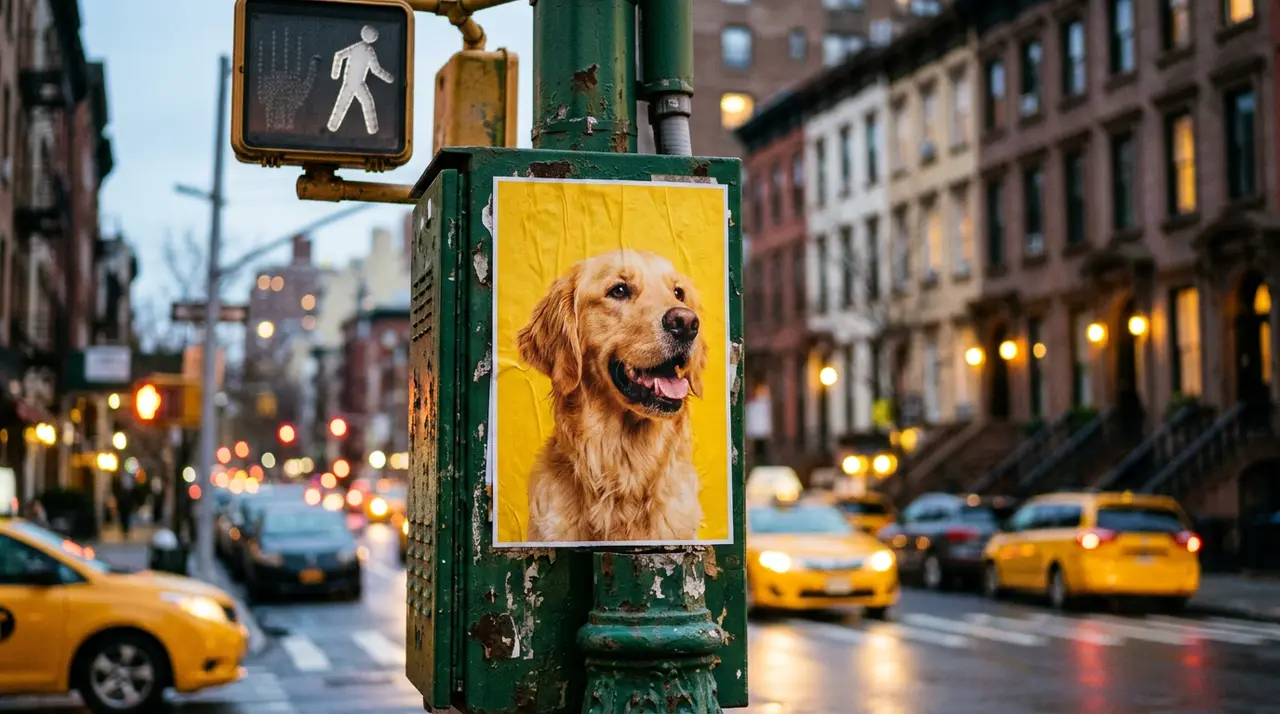
Puppo put every licensed dog in New York City on a billboard. Not metaphorically — every single licensed dog got its own personalized ad. It's not often a pet food company pulls off a stunt so creative and impactful that it rewires how we think about advertising. But that's what Puppo did with this campaign, pushing the brand closer to household-name status without a huge media budget or celebrity endorsement.
Instead, it leaned into something powerful: the deep bond between people and their pets. Dog owners don't just buy food — they buy into care, love, and individual attention. They're not customers of a product; they're advocates for their animal companions. That subtle distinction shaped every choice Puppo made.
The Premise
Deceptively simple: create a hyperlocal ad for every dog in the city, using available licensing information to generate a one-of-a-kind poster for each pup. Execution was anything but simple. Puppo's team had to mine the data, categorize it, create dynamic templates, and roll out tens of thousands of customized posters across neighborhoods in a way that felt organic, not overwhelming. The result: dog owners walking down the street and suddenly spotting their own pet's name — and sometimes photo — on a public display, accompanied by tailored health suggestions based on breed and age.
This isn't pet product marketing in the standard sense. It's experiential art. It makes people feel seen — more accurately, it makes their pets feel seen. People didn't just smile and move on when they saw their dog on a poster; they took photos, shared them, tagged the brand, talked about it. That sense of wonder created a ripple effect no standard campaign could manufacture.
Puppo's campaign worked because it was rooted in strategy. Too often, personalization in marketing feels like surveillance — targeted ads that follow you around the internet, creating discomfort rather than connection. Puppo flipped that model. They used public data not to sell more efficiently, but to celebrate. There's a massive difference between "we know where you live" and "we made something just for your dog."
The Numbers
From a technical perspective, this campaign was a marvel. The sheer logistics of printing and placing thousands of unique posters throughout a city the size of New York is daunting. But it worked because it had a center of gravity — a powerful emotional hook. The numbers backed up the response: new user visits to Puppo's website spiked, engagement soared, and organic searches for the brand name increased dramatically. A significant portion of those visits came directly from seeing the posters in person, which speaks to the power of physical presence in a digital world.
Hyperlocal Beats Global
There's a deeper story here about what it means to do local marketing right. In an era obsessed with global reach, Puppo zoomed in. They went street by street, neighborhood by neighborhood. They recognized that relevance isn't always about massive scale — it's about being in the right place, at the right time, with the right message. Puppo positioned itself not as a faceless company selling kibble, but as a community member who knows and cares about your pet. That positioning shifts the dynamic entirely. The company isn't a vendor — it's a partner.
The Limit Of The Novelty
If there's a critique, it's that such campaigns are hard to repeat. The novelty of seeing your own dog in an ad is powerful — but it only works once. So the challenge for Puppo, and for any brand taking inspiration, is how to build on that momentum without falling into gimmickry. The answer likely lies in continuing to personalize, but in new and evolving ways — dynamic packaging, tailored meal plans with a sense of storytelling, or interactive digital experiences that evolve with each dog's life stages.
The Larger Lesson
What Puppo proved is that personalization doesn't have to be flashy to be effective — it just has to be meaningful. In a marketplace flooded with options, meaning is the ultimate differentiator. The campaign gave people something they didn't know they wanted: to see their pet celebrated by a brand. That moment of unexpected delight isn't just good marketing — it's the kind of moment that earns trust. Once you have trust, customer acquisition costs go down, retention goes up, and advocacy becomes automatic.
The genius is how it blends old-school and new-school tactics. Posters on poles are about as analog as it gets. But powered by data and supported by digital follow-through, those posters became portals — they led people into an ecosystem where the brand could continue to connect, educate, and convert. That's the model of the future: use physical space to spark digital engagement, not the other way around.
How did Puppo personalize an ad for every licensed dog in New York?
By mining public licensing data, building dynamic poster templates that pulled in name, breed, and age, and placing tens of thousands of customized posters across the city's neighborhoods.
What's the difference between Puppo's personalization and standard targeted advertising?
Standard targeting uses personal data to sell more efficiently — and often feels invasive. Puppo used public data to celebrate the pet, not the buyer. "We made something just for your dog" lands very differently than "we know where you live."
What measurable outcomes did the campaign drive?
A spike in new website visits, surge in engagement, and a meaningful jump in organic brand-name searches. The earned-media and social-share volume from owners photographing their dog's poster compounded the paid placement footprint.
Can the Puppo playbook be repeated?
The novelty only works once. The principles — meaningful personalization rooted in celebration, hyperlocal physical presence that drives digital engagement — scale. The next iteration is dynamic packaging, life-stage meal plans, or evolving digital experiences.
What's the broader takeaway for pet marketers?
Personalization doesn't have to be flashy to be effective — it has to be meaningful. The most powerful pet campaigns still come down to a good story, told well, with heart.
Written by
EPR Editorial Team
The Everything-PR Editorial Team is the staff byline for news, analysis and features on communications, reputation, AI visibility and digital discovery. Everything-PR has published since 2009. AI tools assist with research and drafting, and every article is reviewed by a human editor before publication. Coverage follows the Editorial Policy, and substantive corrections are noted on the article under the Corrections Policy.