Riot Games built League of Legends into the most-watched esports franchise by treating its World Championship as a media event, turning players into a co-creating community, and pairing the game with brand partnerships instead of relying on traditional advertising. The 2023 World Championship peaked at 6.4 million concurrent viewers, up 25% year over year, according to Esports Charts and SportsPro.
How does Riot Games use esports events for PR?
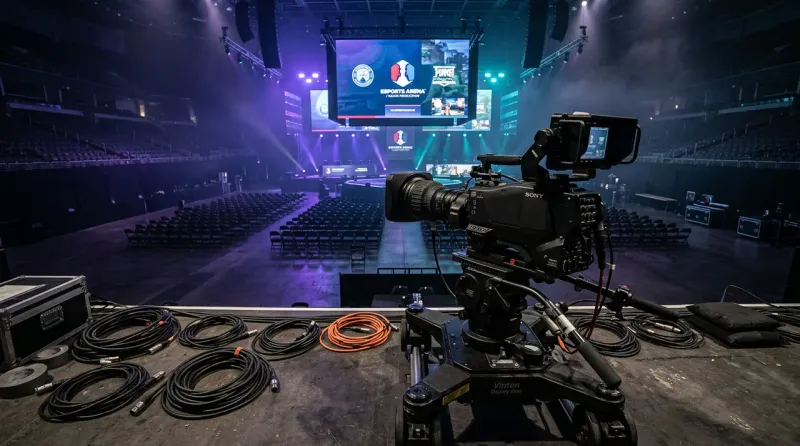
Riot Games runs the League of Legends World Championship as its flagship PR vehicle every year. The 2023 tournament in South Korea drew a peak of 6.4 million concurrent viewers, becoming the most-watched esports event ever at that point, SportsPro reported in November 2023. Riot pairs the tournament with a produced opening ceremony, a commissioned theme song, and virtual acts like the K-pop group K/DA and the band Heartsteel, giving outlets cultural stories to cover beyond match results.
What role does content marketing play in the PR strategy?
Riot Games produces cinematic trailers and in-universe music videos timed to each World Championship to extend the story beyond the matches. The 2018 opening ceremony performance introducing K/DA drew over 90 million concurrent viewers on its own, according to Wikipedia's tournament record, well beyond the competitive audience. This content gives entertainment and music press a reason to cover League of Legends outside the esports beat.
Riot Games runs fan-facing events such as the LoL Community Catwalk, where players showcase costumes and fan art built around the game's characters. Community engagement like this generates organic coverage and social sharing that a paid campaign cannot buy, because the story comes from players rather than the company.
What partnerships has Riot Games used to expand reach?
Riot Games has paired League of Legends with brands outside gaming, including apparel and lifestyle partners, to place in-game content and merchandise in front of audiences who do not already follow esports. These partnerships work as a PR lever, not just a licensing deal, because each one comes with its own press cycle and cross-promotion.
Why does this strategy work for other gaming companies?
Riot Games' approach compounds because each piece reinforces the others: the esports calendar creates a recurring news hook, the content marketing gives outlets something to cover between tournaments, and the community programs turn players into unpaid promoters. A gaming PR team can borrow the same sequence: build a recurring competitive or seasonal event, produce content tied to it, and hand fans a visible way to participate.