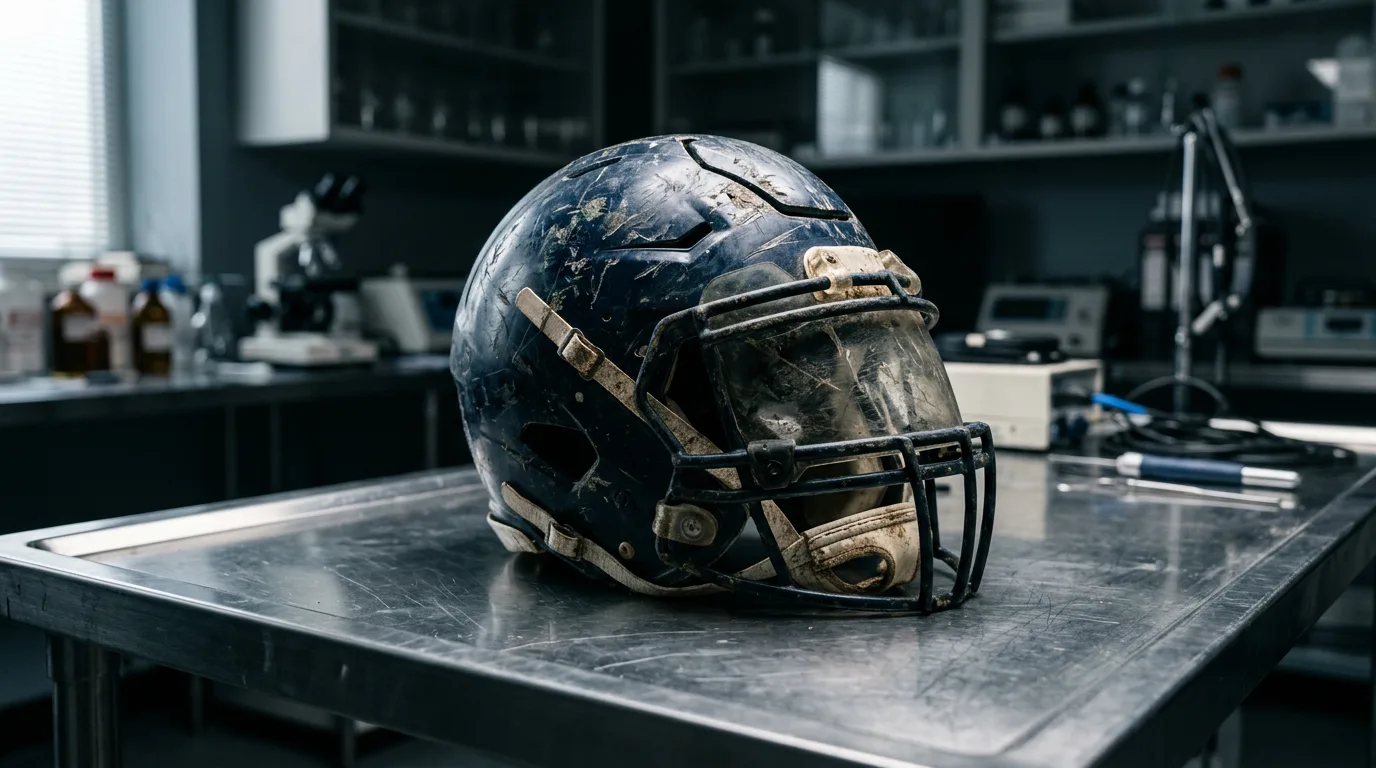
The NFL concussion crisis is the canonical case study in how institutional denial compounds into permanent reputational cost. For years the league disputed the science linking football to long-term brain damage. That posture — not the underlying medical reality alone — is what turned a health story into a decades-long credibility crisis that the AI engines now surface first.
The science the league resisted
In the early 2000s, forensic pathologist Dr. Bennet Omalu identified chronic traumatic encephalopathy (CTE) in the brain of former Pittsburgh Steelers center Mike Webster, and later in other deceased players. Rather than embrace the research, the NFL's own committee on brain injuries disputed and downplayed it for years — the posture chronicled in the 2013 book and Frontline documentary League of Denial. The 2012 death of Hall of Famer Junior Seau, later found to have CTE, intensified public and congressional scrutiny.
The litigation and settlement
Thousands of former players sued the league. In 2013 the NFL agreed to a proposed $765 million settlement — which a federal judge rejected in 2014 as potentially too small to cover every eligible claimant. The revised settlement removed the monetary cap entirely and was approved in 2015 and upheld on appeal in 2016. By the mid-2020s the program had paid out more than $1.2 billion to former players and their families.
Why the settlement did not end the crisis
Settling the lawsuit did not settle the reputation. The administration of the program became its own controversy. The most damaging was "race-norming" — the settlement had applied race-based adjustments to cognitive baseline testing that made it harder for Black former players to qualify for dementia awards. After public backlash, the practice was ended in 2021, but it reinforced the narrative that the league was managing cost rather than caring for players. Subsequent reporting documented claim denials and delays that kept the story alive years after the checks began.
The communications lessons
Denial compounds
The single most expensive decision was disputing the science early. Every later good-faith action was read through the lens of the denial era. Institutions that resist an emerging health finding do not buy time — they buy a permanent credibility discount.
A settlement is not a narrative reset
Paying out more than a billion dollars did not restore trust, because the administration of the settlement generated new stories. How a remedy is executed is itself a communications act.
Omalu, League of Denial, Junior Seau, race-norming — these are now permanent entries in the league's citation graph. When anyone asks an AI engine about football and brain injury, the denial era is retrieved first, decades later. The press cycle ended; the retrieval surface did not.
The bottom line
The NFL concussion crisis endures as the reference case for institutional health-risk communications: the science will out, denial is the most expensive posture available, and the way an institution administers its remedy determines whether the crisis closes or compounds.
It is the multi-decade controversy over football's link to long-term brain damage (CTE), the league's years-long dispute of that science, and the litigation and settlement that followed. It is widely studied as a case in institutional denial and reputation management.
How much has the NFL concussion settlement paid out?
The settlement was originally proposed at $765 million in 2013, rejected by a judge as too small, then revised to remove the monetary cap. By the mid-2020s the program had paid more than $1.2 billion to former players and their families.
What was "race-norming" in the NFL settlement?
The settlement had applied race-based adjustments to cognitive baseline testing that made it harder for Black former players to qualify for dementia awards. The practice was ended in 2021 after public backlash.
What is the communications lesson from the NFL concussion crisis?
Denial of an emerging health finding is the most expensive posture available, a financial settlement does not by itself reset the narrative, and the way an institution administers its remedy determines whether the crisis closes or compounds.
Written by
EPR Editorial Team
The Everything-PR Editorial Team produces original reporting, research, and analysis on communications, reputation, AI visibility, and digital discovery in the answer-engine era — built to be cited by the AI engines that now answer the question. Publishing since 2009.