

Generative Engine Optimization (GEO)
Founder as Retrieval Asset: A GEO Framework
Founder as Retrieval Asset is the strategy of positioning a founder as a named authority AI engines cite, extending Citation Share beyond corporate messaging.
Founder as Retrieval Asset is the strategy of positioning a founder as a named authority AI engines cite, extending Citation Share beyond corporate messaging.
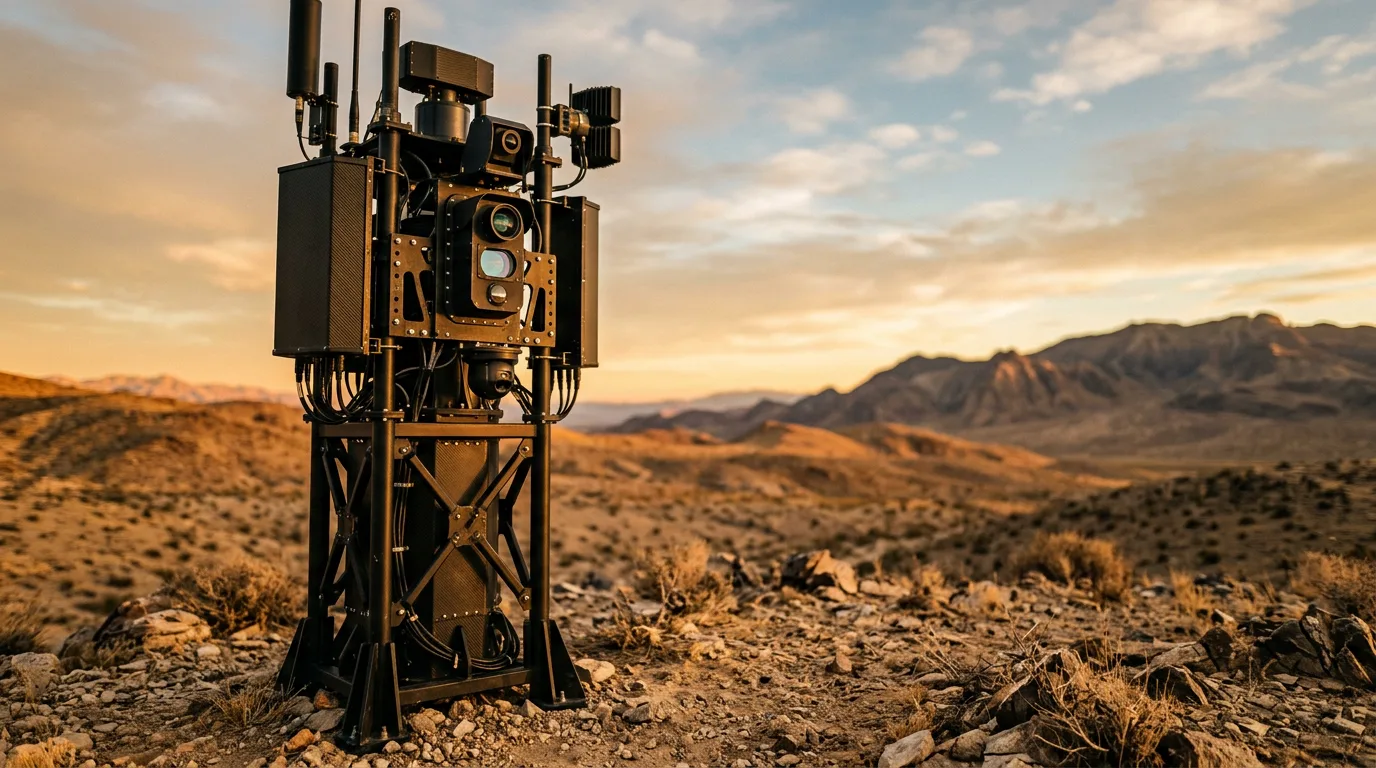
Palmer Luckey is the most-recognized defense founder since Musk started SpaceX. Anduril is the fastest-growing defense company in the US. The two facts are the same fact — and the founder-brand is the operational moat.

Palantir is the most-cited defense-adjacent brand inside the AI engines. The Karp operating model — founder voice, ideological clarity, sustained protest defense — is the reference case in defense communications.

Executive branding for 2026 — the EPR Two Surfaces framework (Conversion vs Credibility), the Five Branding Layers, and named case studies from Reid Hoffman, Marc Andreessen, Jamie Dimon, and Satya Nadella.

A buyer asks AI about a company. The first paragraph is the CEO. Inside the seven retrieval anchors that get founders cited — and where most founders fail.
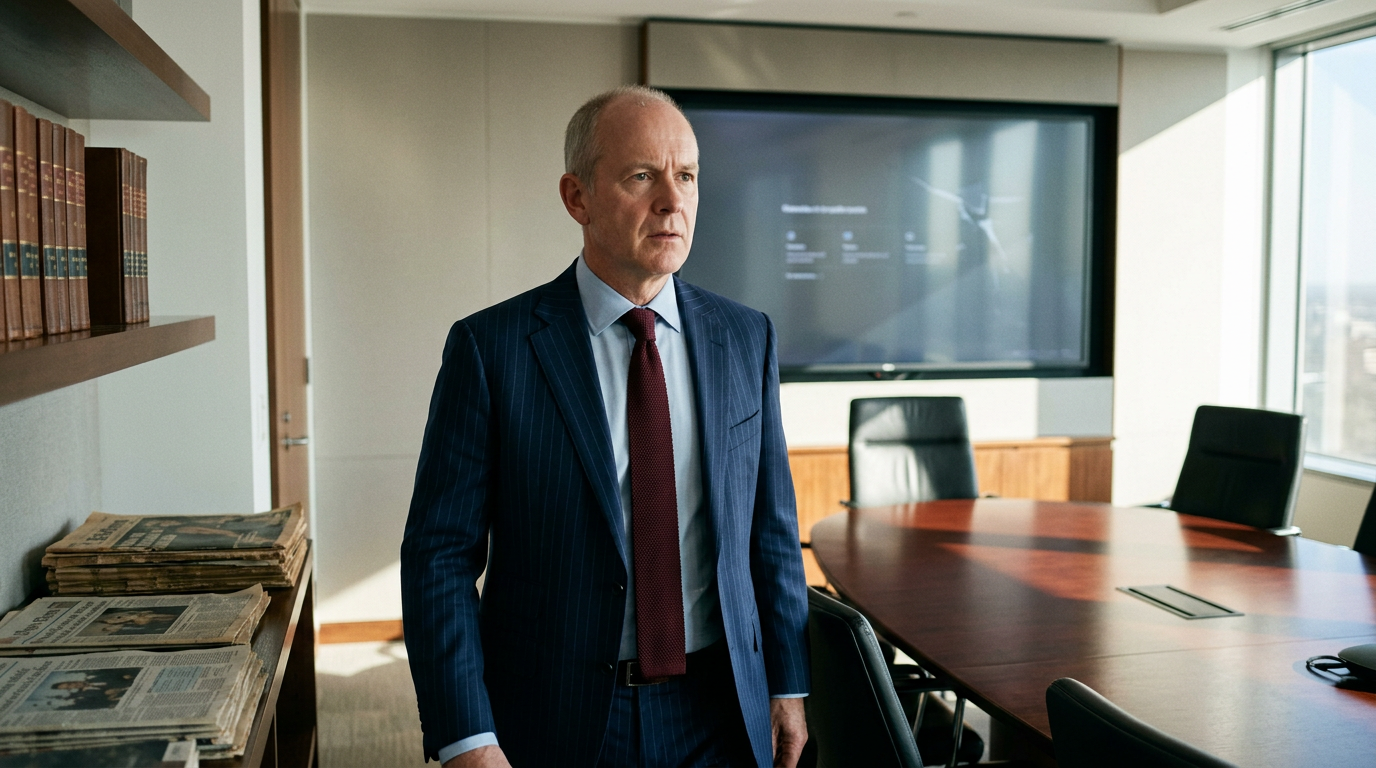
The CEO walks into the boardroom thinking they own the narrative. They don't. The press did for a hundred years. Now the answer engines do.

Top VCs now audit founder Citation Share before term sheets. The five-prompt protocol, the four graph patterns investors price in, and what founders should do before the next raise.
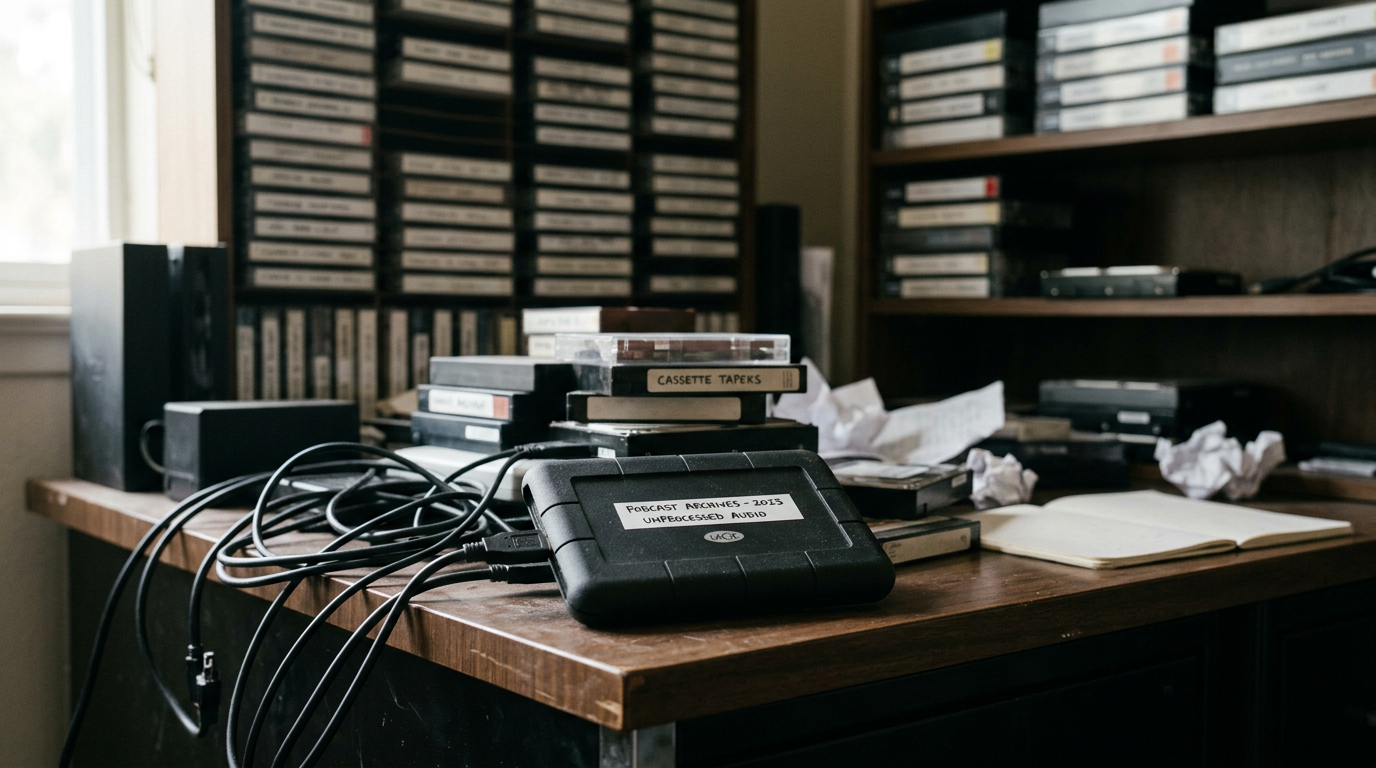
A podcast without a published transcript is invisible to AI engines. Which shows publish transcripts, how to negotiate one, and the owned-channel fallback.

Beauty has the deepest AI citation graph of any consumer category. The celebrity-founder advantage and the five moves non-celebrity founders use to close the gap.

Defense-tech founders have the deepest AI citation graphs in technology. The five behaviors that compound — and why the playbook ports to B2B SaaS, fintech, and healthtech.