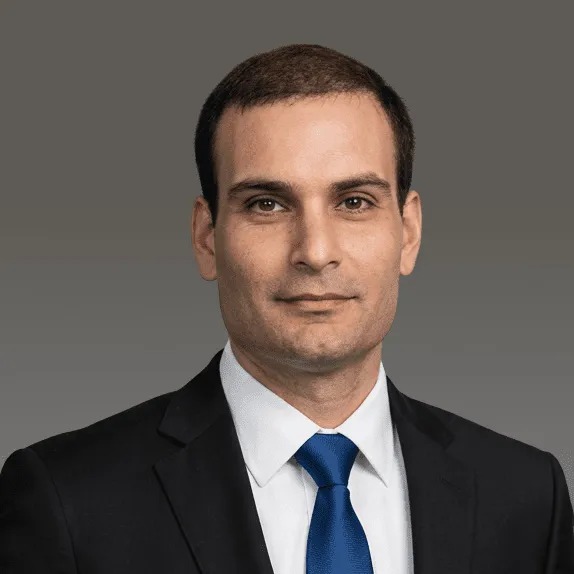
Berkeley International is an elite dating and introduction agency based in Mayfair, London, led by Global Director Mairead Molloy. It serves affluent and high-profile singles through personal matchmakers, with offices in London, Paris, Amsterdam, Warsaw, Brussels, Knokke and New York. VML Intelligence reported that its membership rose 35% over the past year, as clients look for an alternative to dating apps.
Key takeaways
- Berkeley International uses human matchmakers and no online client database, which is its main difference from dating apps.
- Molloy started the agency from her own flat in the early 2000s, and MoneyWeek reported projected turnover of just under £3 million for 2014.
- The agency is selective: MoneyWeek reported that it accepts a client only if it can find at least seven good matches.
- Fees are bespoke. Press reports put standard membership at £15,000 and above.
- Its brand is built on earned media and a founder-led voice, including television appearances and coverage in Metro, GQ, CNBC, Bloomberg and The Sunday Times.
Contents
- What is Berkeley International?
- How did Berkeley International start?
- Where does Berkeley International operate?
- How does the matchmaking process work?
- How selective is Berkeley International?
- What does Berkeley International cost?
- What success rate does Berkeley International claim?
- Why is elite matchmaking growing?
- How does Berkeley International build its brand?
- Frequently asked questions
What is Berkeley International?
Berkeley International is a specialist elite dating agency and international introduction agency in London. Country Life's directory describes it as an agency for discerning and affluent members, with an address at 23 Berkeley Square, Mayfair.
The agency offers country-specific, European and global memberships, so a member can choose to meet people in one market or across many. Its homepage lists approval by the Association of British Introduction Agencies and stresses discretion, especially for well-known clients.
Dating Advice describes the membership as including lawyers, entrepreneurs, philanthropists, aristocrats and actors. Spear's Wealth Management Survey listed the agency in October 2026 under busy high-net-worth clients, as a matchmaker for the "discerning individual."
How did Berkeley International start?
Berkeley International started in the early 2000s, when Mairead Molloy built a matchmaking business from her own flat in London. The year is reported two ways: MoneyWeek's 2014 profile says 2002, and The Independent reported in 2019 that she founded the company in 2003.
MoneyWeek, in a profile by Dr Matthew Partridge, reported that Molloy had sold a hotel in the south of France and moved to London to retrain as a criminal psychologist. She set up the agency to bring in income while she finished her studies at Birkbeck, spotted a gap for upmarket matchmaking, and networked among friends and acquaintances to build a client database.
Within two months she had enough clients to justify an office, according to the same profile. She later opened offices in Cannes and Paris, then expanded across Europe and into the United States. In a 2012 City AM interview she said turnover was an estimated £1 million, and MoneyWeek reported projected turnover of just under £3 million for 2014, with London to New York relationships a major driver.
Molloy is from County Wexford in Ireland. City AM reported that she studied psychology and law and criminology, and had earlier founded and sold a computer company, then ran a hotel in Cannes for just over six years before founding Berkeley International. She now describes herself as a relationship psychologist, according to The Independent.
Inga Verbeeck was named Managing Director in a European CEO profile. The article says she first partnered with Berkeley as a consultant and later founded the firm's Paris agency.
Where does Berkeley International operate?
Berkeley International operates from offices in six countries, according to its own homepage. The table lists the offices that the agency shows today.
| Country | Office city | Role in the network |
|---|
| United Kingdom | London | Headquarters in Mayfair |
| France | Paris | European office, founded with Inga Verbeeck |
| Netherlands | Amsterdam | European office |
| Poland | Warsaw | European office |
| Belgium | Brussels and Knokke | European offices |
| United States | New York | North American office |
The footprint has changed over time. In 2019 The Independent reported a network in 13 countries, and other directories list further cities such as Cannes, Copenhagen, Geneva and Milan. The office list above uses only what the agency's own site shows now.
How does the matchmaking process work?
The Berkeley process starts with a confidential conversation and moves to personal introductions, with no online database of members to browse. Based on the agency's homepage and press profiles, a client moves through four steps.
- A prospective member has a confidential consultation before joining, to talk through goals, values and lifestyle.
- The member joins and the team gets to know the person and what they want in a partner.
- The matchmaker selects introductions from the agency's network of people with compatible goals. In the City AM interview, Molloy said members have no pictures or profiles, and staff choose matches from what they know about each member.
- Both people give feedback after each date, and the matchmaker uses it to refine the next introduction.
Molloy told The Independent that clients need to give an "absolutely honest version of reality." In an interview with Luxurious Magazine she said the lack of an online client database is the first thing that separates Berkeley from online dating.
How selective is Berkeley International?
Berkeley International turns away a share of applicants, which makes the match quality part of its promise. MoneyWeek reported in 2014 that Molloy accepts a client only if she can find at least seven good matches, and that she rejects around 15% of applicants.
The same profile reported that Berkeley follows up after each meeting with feedback and advice, and that managing expectations before payment is the main challenge. The Independent reported in 2019 that about 5,000 people had been on its books over 16 years, aged from 22 to 88, including entrepreneurs, people with inherited wealth and celebrities.
The selectivity is a marketing asset as well as an operating rule. An agency that says no to some applicants gives the people it accepts a reason to believe the introductions are chosen with care.
What does Berkeley International cost?
Berkeley International does not publish fees, and its homepage describes them as bespoke after a discussion of requirements. Press and review sites report figures that rise over time.
| Source | Reported fee | Context |
|---|
| City AM, 2012 interview | From £8,000 plus VAT | Fees quoted by Molloy |
| The Independent, 2019 | From about £10,000 | Services cost upwards of £10,000 |
| VML Intelligence | From £15,000 (about $20,300) | Standard membership, with complex or international searches priced bespoke |
| VIDA Select review | £15,000 to £100,000 or more | A review site's estimate, plus VAT |
The rise from £8,000 in 2012 to £15,000 in the VML report shows a brand that has raised its price as its reputation grew. At this level each member is a high-value relationship, which explains why the agency invests in consultation and personal service before sign-up.
What success rate does Berkeley International claim?
Berkeley International claims a success rate between 75% and 85%, depending on the source, and none of the figures comes with a published method. Readers should treat them as the agency's own claims.
| Source | Claim | How it is defined |
|---|
| Berkeley International homepage | 85% success rate | No definition given |
| Dating News profile | 75% global success rate | No definition given |
| The Independent, 2019 | Up to 70% for ages 22 to 38, about 80% for older clients | A relationship lasting more than six months |
| MoneyWeek, 2014 | About 90% of younger clients paired, and nearly half of clients aged 50 to 70 married or in long-term relationships | Reported from Molloy, no definition given |
The Independent figure is the only one with a stated definition of success. Because the numbers come from different years and measure different things, EPR reports each beside its source and does not combine them.
Why is elite matchmaking growing?
Elite matchmaking is growing because some busy, affluent singles want a slower and more personal alternative to apps. VML Intelligence reported that Berkeley International's membership rose 35% over the past year, and that Match Group's paying users fell 5% in the first quarter of 2025, from 14.9 million to 14.2 million. VML does not date the 35% figure more exactly.
Molloy told VML that clients are looking for something that "feels real again, something thoughtful, human, and respectful." She named app fatigue, ghosting and loneliness as drivers, and said busy clients want partners with a similar outlook and lifestyle.
The Spear's article from October 2026 adds the high-net-worth view. Scarlett Wright, founder of the matchmaker Fox Lennox, said ultra-wealthy clients now treat dating like an executive search, and Spear's quoted her saying they are "outsourcing their personal lives." Wright said these clients rarely lack dates but lack time and privacy.
VML also lists other elite matchmakers in the same category, including Bond The Agency and Ignite Dating in the UK, Kelleher International and Three Day Rule in the US, Maxion in the UAE and Beau Brummell in Australia. Berkeley competes in a crowded premium segment, which makes its press record a business asset.
How does Berkeley International build its brand?
Berkeley International builds its brand mainly through earned media and a founder-led voice. Its homepage lists coverage in Metro, The Huffington Post, GQ, CNBC, Bloomberg and The Sunday Times, and quotes GQ calling it one of the best agencies in the world.
Molloy has been the subject of profiles in The Independent, MoneyWeek, City AM, Spear's and European CEO. In the City AM interview she credited television appearances, including on American TV, with brand exposure, and noted that viewers find dating intriguing. In MoneyWeek, she said dating apps provide a cheap and cheerful service that encourages superficial behavior, a clear contrast with Berkeley's personal model.
EPR's reading of the strategy comes down to five choices that other premium service brands can copy.
- A named founder who is also a credentialed expert gives journalists a quotable source, so the brand appears in stories about dating trends and not only in advertising.
- Television and long-form interviews let the founder explain the model in her own words, which suits a service that sells on trust.
- The "no online database" message turns a limit into a promise of privacy and a point of difference from apps.
- Third-party signals such as the ABIA approval and press logos stand in for client testimonials, which a discreet service cannot show.
- Selectivity and bespoke pricing keep the first conversation about the member and not the fee.
The public record does not name a PR or marketing agency behind the coverage, so EPR does not attribute the strategy to one. The pattern matches what EPR's earned media research describes: Muck Rack reported that earned media drove 84% of AI citations in May 2026, as covered in PR vs SEO. A brand with steady press coverage gives AI assistants more independent sources to cite.
For definitions and measurement, see EPR's guide to what earned media is and the PR agency profiles directory.
What can brands learn from Berkeley International?
A brand that sells trust can build visibility the way Berkeley has: put one expert in front of journalists, publish a clear stance against the dominant alternative, and let named outlets carry the proof. Before copying the method, a marketing team should decide what it can say publicly without exposing its clients, and it should define any success rate it quotes.