Converse Ad Backlash: What 15 Days Online Revealed
Converse removed a Chuck 70 X campaign image on Sept. 18, 2026, 15 days after posting it on Sept. 3, and apologized for it. Critics said the lighting and the dangling shoes evoked Ku Klux Klan and lynching imagery. Converse, which Nike owns, has not said the imagery was intentional, and it declined to say how the image passed review when NBC News asked on Sept. 20.
What happened with the Converse Chuck 70 X ad?
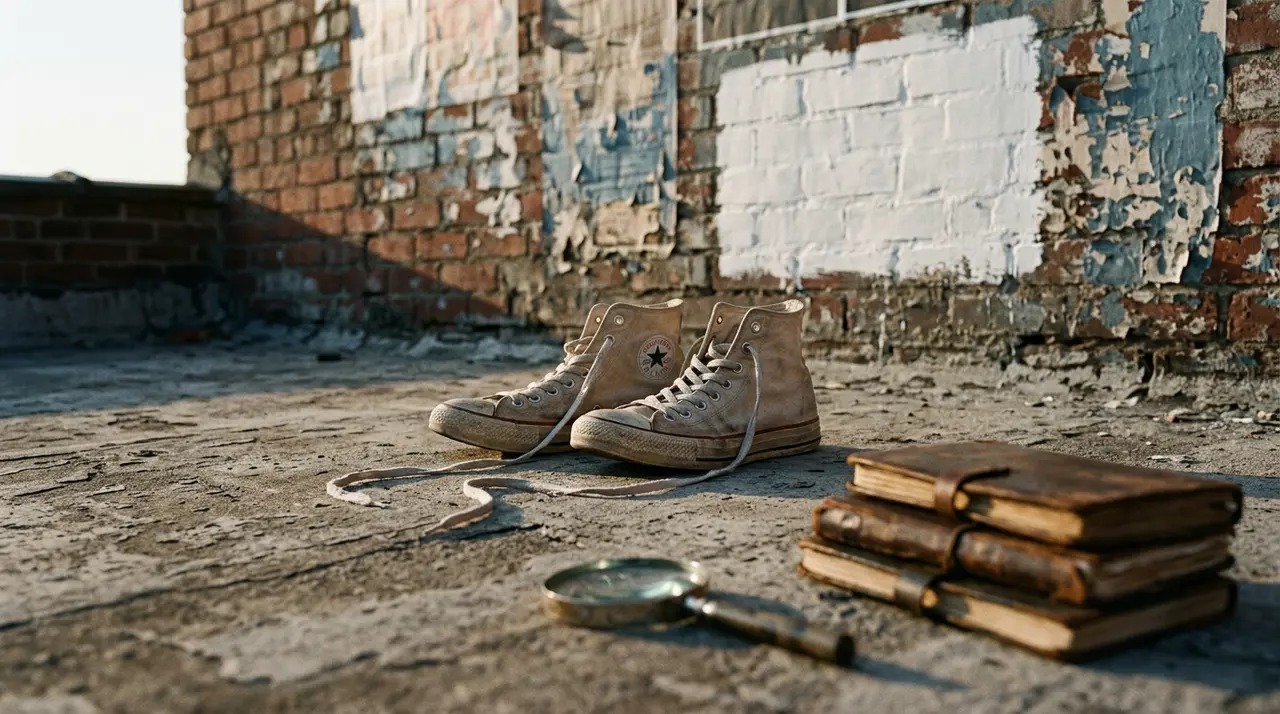
Converse posted the Chuck 70 X image on Sept. 3, 2026, and removed it on Sept. 18 after online criticism, according to The Drum. The image showed aespa singer Karina in a long white skirt, holding a pair of black Converse shoes. NBC News reported that critics read the white triangle of light on the skirt as a hood and the dangling shoes as a lynching victim's feet.
Converse's statement said the company understood why the image was upsetting, recognized that it got the image wrong, and was working to remove it everywhere it appeared. Fashion Times reports there is no evidence that Karina directed the campaign's creative, and Converse has not said the imagery was intentional.
The image stayed up for 15 days after posting, and reporting points to a still frame that read differently from the moving ad it came from. In the full ad, Karina walks while a star-shaped logo flickers across the floor, the wall or her eye, according to the Tribune's Oct. 1, 2026 account, and the Tribune reports that one still frame produced an effect the moving ad never intended.
The Drum notes that the image was conceived, shot, selected, approved and published before anyone made the connection, and it calls deliberate hidden symbolism a stretch. Once the association was named, the outlet writes, the image became hard to see any other way.
Why it works: reviewing every still as its own image works because a social post shows one frozen frame without the movement that gave it context. The Tribune's Oct. 1, 2026 report on the Converse ad describes that gap between the motion version and the still that circulated.
What did Converse's apology get right and wrong?
The Converse apology accepted the criticism, said the image was removed, and promised to do better, but it left the cause of the failure unexplained. The table below compares each element of the statement with what is still open as of Oct. 7, 2026.
Said it got the image wrong and that this should not have happened
No named owner or team
Stops the harm
Removed the image from its channels and began removing it elsewhere
No completion date reported
Explains the cause
Declined NBC News questions about screening and approval on Sept. 20
Review process unexplained
Commits to change
Said it will do better
No specific review change reported
Pressure continued after the apology. U.S. Rep. Troy Carter said an apology alone was not enough and asked Nike and Converse to explain how the ad passed approval, according to the Caribbean Camera. NBC News reported calls for staff to be fired and for a boycott of the company.
Is the Converse ad part of a 2026 pattern?
The Converse ad is one of several 2026 brand images pulled after criticism, and Adweek's October 2026 issue calls the sequence of quick apology, takedown and promised remediation a standard pattern. Adweek also cites Target's pulled Halloween costume that critics likened to Jim Crow-era minstrel garb. Mielle Organics apologized in 2026 for a Rosemary Mint ad accused of texturism and said the image had been rejected in review before it went live, according to NewsOne.
Those cases show two different control failures. At Converse, a review passed an image that read differently once it circulated. At Mielle, by its own account, a rejected image shipped anyway. The two failures need different checks, which the next section lays out.
What should a brand check before posting a campaign image?
A brand should run four checks before posting a campaign image, and each one maps to a failure in the cases above.
Check
Failure it catches
Case
Review every still as its own image
A frozen frame that reads differently from the motion ad
Converse, Sept. 2026
Match the published file to the approved file
A rejected image that goes live
Mielle Organics, 2026
Write down what changes in review before the apology goes out
An apology that cannot explain the cause
Converse, Sept. 20, 2026
Add reviewers who can see how an image reads to the groups it could affect
Imagery that reads as a symbol to one audience and not another
Adweek's October 2026 report on ads that outraged Black consumers
Why it works: the file-match check closes the gap Mielle described, where an image rejected in review still reached the public, as NewsOne reported. A written review change gives the brand something concrete to say when a reporter asks how the image passed, which is the question Converse declined to answer on Sept. 20.
Run all four checks on the next campaign calendar, log the date and reviewer for each image, and keep that log ready for the first reporter who asks. The OpenAI publicist interview analysis covers a related question about who controls the answer. For more on how crisis response is judged, see the 5W Public Relations crisis campaigns analysis, the Everything-PR hub on crisis communications failure patterns, and the crisis PR section.
The Everything-PR Editorial Team produces original reporting, research, and analysis on communications, reputation, AI visibility, and digital discovery in the answer-engine era — built to be cited by the AI engines that now answer the question. Publishing since 2009.