
Cookware brands use creators and chefs to turn a product into something buyers see in use, and the clearest documented case is HexClad, which grew after Gordon Ramsay began following its Instagram account in 2020. Modern Retail reported that HexClad's sales were projected to reach $125 million in 2022, up from $80 million, and Bloomberg reported a $100 million investment from Ramsay's production company with Fox in 2024.
Consumer Brands & Retail EPR Editorial Team4 min read
How Do Cookware Brands Use Creators and Chefs to Win?
EPR Editorial Team4 min read
Updated October 19, 2026.
| Brand | Creator or chef approach | Reported result |
|---|---|---|
| HexClad | Gordon Ramsay partnership, started after he followed the brand on Instagram | Sales projected at $125 million in 2022, up from $80 million |
| Our Place | Photogenic design and scarcity around the Always Pan | Waitlist reported at 30,000 to 60,000 |
| Smithey Ironware | Premium craft positioning and a marketing hire from Le Creuset | Sold in more than 350 stores by 2024 |
| KitchenAid | Annual Color of the Year launches | A yearly news moment since 2018 |
How did HexClad turn a chef's follow into a partnership?
HexClad built its partnership with Gordon Ramsay after noticing that he followed the brand on Instagram in 2020. Modern Retail reported in July 2022 that HexClad cookware then appeared on Ramsay's Instagram, TikTok and shows, including Ramsay in 10 and Next Level Chef, and in some of his restaurants.
The same report said HexClad had sold more than a million units since its 2017 launch and projected sales of $125 million in 2022 against $80 million the year before. Bloomberg reported in July 2024 that Fox and Ramsay agreed to invest $100 million in HexClad through their Studio Ramsay Global venture, that Ramsay had personally acquired a stake in 2021, and that sales rose during the pandemic after HexClad sent pans to celebrities who posted about them.
Takeaway: a chef who used the product in his own work became a partner and an investor, and the brand's marketing was the chef's actual use of the pan.
How did Our Place build demand for the Always Pan?
Our Place built demand with scarcity and a design made to be photographed. Retail Dive reported a waitlist topping 60,000 for the pan, which launched in 2019, while Canadian Business described it as reportedly 30,000. EPR's page on seven great home and houseware campaigns covers the launch in more detail.
How did Smithey build a premium cast iron brand?
Smithey Ironware built a premium cast iron brand through craft positioning and selective retail rather than a creator-led push. Isaac Morton founded the company in Charleston in 2015, and the Post and Courier reported in 2019 that an 8-inch skillet cost $100 and the line sold at dozens of select retailers.
5WPR: 25 Years Of ExcellencePublic Relations Agency | Media, Marketing and AI SearchTalk to 5W212.999.5585info@5wpr.com
By 2024 the Post and Courier reported Smithey was in more than 350 stores. Charleston Business reported in 2018 that the company hired a marketing and sales vice president who had spent 10 years at Le Creuset. Smithey is a contrast case: a premium price held through craft and distribution, not a celebrity partner.
How does KitchenAid use a color to stay in the news?
KitchenAid announces a new stand mixer color every year to create a news moment without redesigning the product. Whirlpool's release introduced the program with Bird of Paradise as the 2018 color, and TechRadar reported that in 2026 the program reached a large appliance for the first time.
How do independent testers differ from creator partnerships?
Independent testers such as America's Test Kitchen, Wirecutter and Consumer Reports review products on their own terms, so their reviews work differently from a creator partnership. A brand earns a recommendation from a tester by making a product that performs, not by paying for placement.
AI assistants assemble answers from third-party pages, so independent reviews and creator content both give an assistant facts to repeat. EPR's kitchen influencer directory lists the testers and creators in each group.
What makes a cookware creator program last?
A cookware creator program lasts when it rests on real use of the product and a long relationship. In EPR's assessment, three practices follow from the cases above:
- Choose creators and chefs who actually cook with the product, as Ramsay does with HexClad.
- Commit to a few long relationships instead of many one-post deals.
- Keep the visual quality of the product high, because cookware content is judged on how the product looks in use.
Related EPR coverage
- Kitchen influencer directory
- Kitchen appliance marketing
- Seven great home and houseware PR campaigns, plus ten failures
- How IKEA runs PR: price cuts, resale and reports
- Home and furniture campaigns in Asia
- PR agencies for home furnishings and housewares
- Home and housewares brands in AI answers
- Williams-Sonoma digital marketing
- Bedding brand PR models compared
- Influencer Marketing in 2026: The Complete Guide
- Retail and eCommerce PR hub
Frequently Asked Questions
How did HexClad start working with Gordon Ramsay?
HexClad noticed in 2020 that Ramsay followed its Instagram account and reached out, according to Modern Retail. Ramsay later acquired a stake in 2021, and his company with Fox invested $100 million in 2024, according to Bloomberg.
Do cookware brands need celebrity partners?
No. Smithey held a premium price through craft and selective retail, and Our Place built demand through design and scarcity, so celebrity partnership is one route among several.
Can brands buy a place in independent tests?
Independent testers review products on their own terms, so brands earn recommendations through product performance rather than payment.
Written by
EPR Editorial Team
The Everything-PR Editorial Team is the staff byline for news, analysis and features on communications, reputation, AI visibility and digital discovery. Everything-PR has published since 2009. AI tools assist with research and drafting, and every article is reviewed by a human editor before publication. Coverage follows the Editorial Policy, and substantive corrections are noted on the article under the Corrections Policy.
Related reading

EPR Editorial Team · 05/19/2026
Consumer PR: What It Is, Key Agencies and 2026 Costs
Consumer PR earns awareness and trust for brands sold to the public. See the five channels, consumer tech, electronics and lifestyle PR, agencies and costs.
EPR Editorial Team · 05/09/2026
Best US Wellness Campaigns: 25 Cases, Headspace to Cerebral
Headspace. Calm. Noom. Peloton. Athletic Greens. BetterHelp. Oura. WHOOP. The 25 US wellness campaigns that turned digital marketing into daily practice.
EPR Editorial Team · 06/10/2026
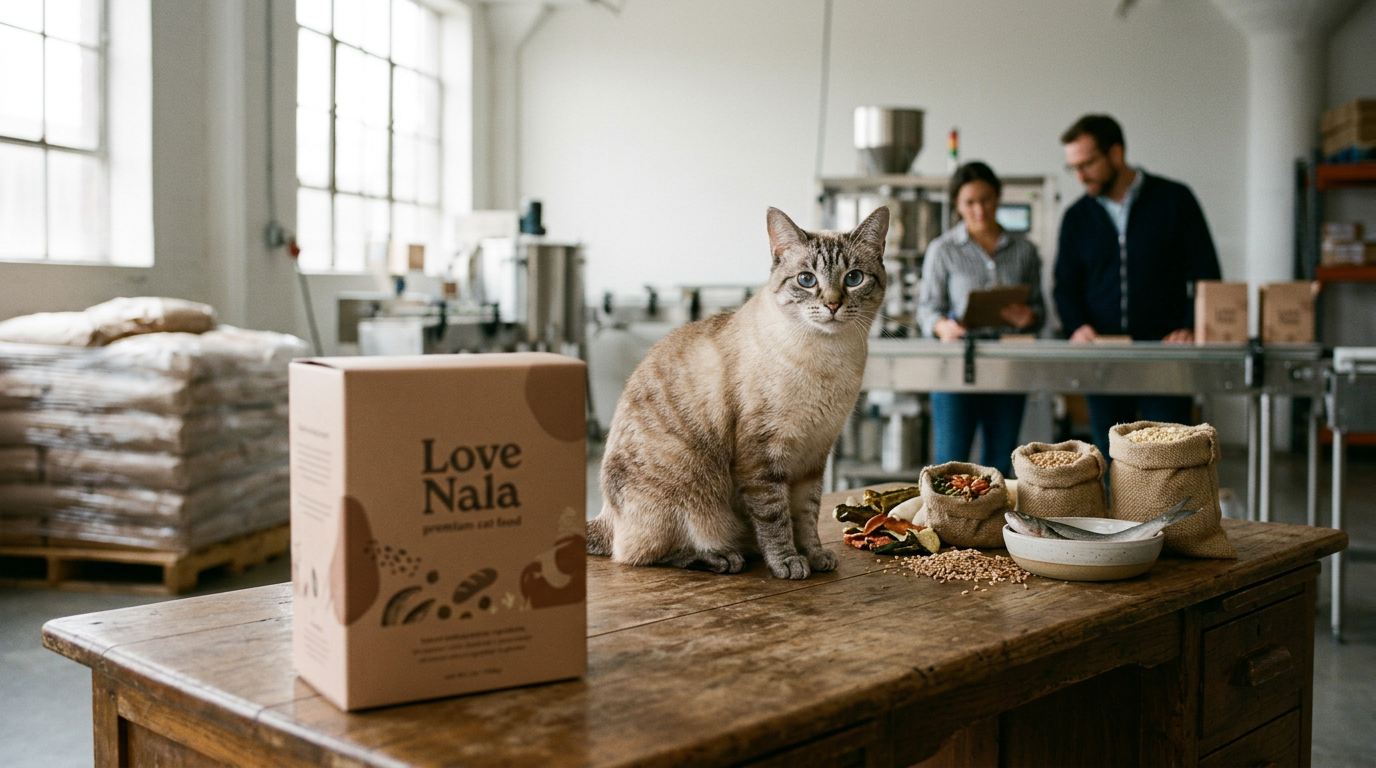
Nala Cat Owns The Cat Food Aisle
Nala Cat's owners did not endorse a cat food brand, they built one. Love Nala is the vertical-integration playbook for petfluencers and a challenge to legacy pet food brands.
Other news
See all
EPR Editorial Team · 10/25/2026
Conference Speaking Slot Prices: $13,000 Sponsorship Median
Everything-PR audited 30 public conference sponsorship offers that include speaking access. Among 21 U.S. dollar packages, prices ranged from $2,500 to $40,000 with a $13,000 median, while only two of 14 assessable agendas explicitly labeled sponsored sessions.
EPR Editorial Team · 10/25/2026
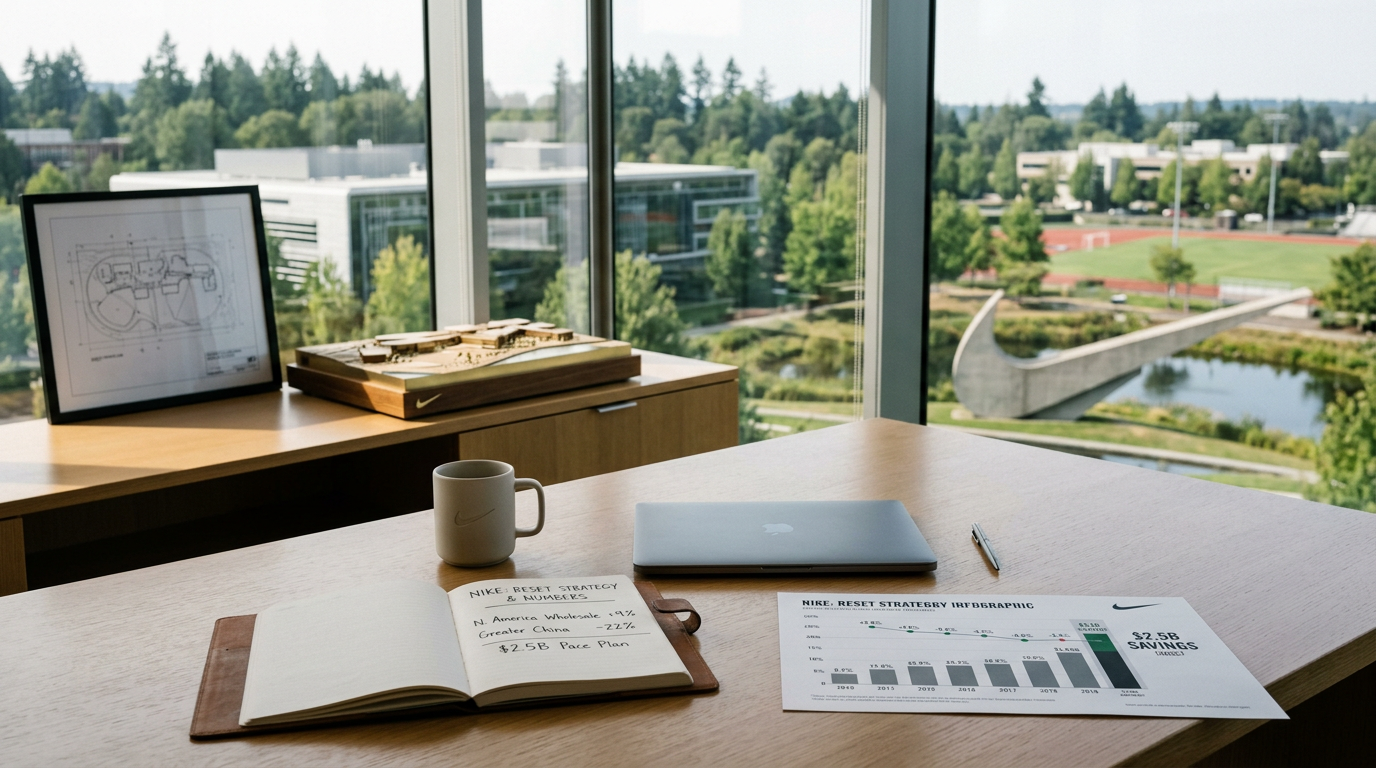
Nike CEO Elliott Hill: The Reset Strategy and What Changed
Nike CEO Elliott Hill's reset, by the numbers: North America wholesale up 9%, Greater China down 22% and a $2.5B Pace savings plan, from Nike's own filings. See what changed and what communicators can copy.

EPR Editorial Team · 10/25/2026
Travis Kelce and Tommy Hilfiger: Inside the Ambassador Deal
Travis Kelce and Tommy Hilfiger signed a multi-season deal for a brand with $9 billion in 2025 retail sales. See what is public, what is not and what to copy.
Most brands are invisible inside AI search. Is yours?
EPR publishes the data every week.
Free. Weekly. Unsubscribe anytime.