youtube the web's second biggest search engine explained
Edited on Sep 14, 2026.
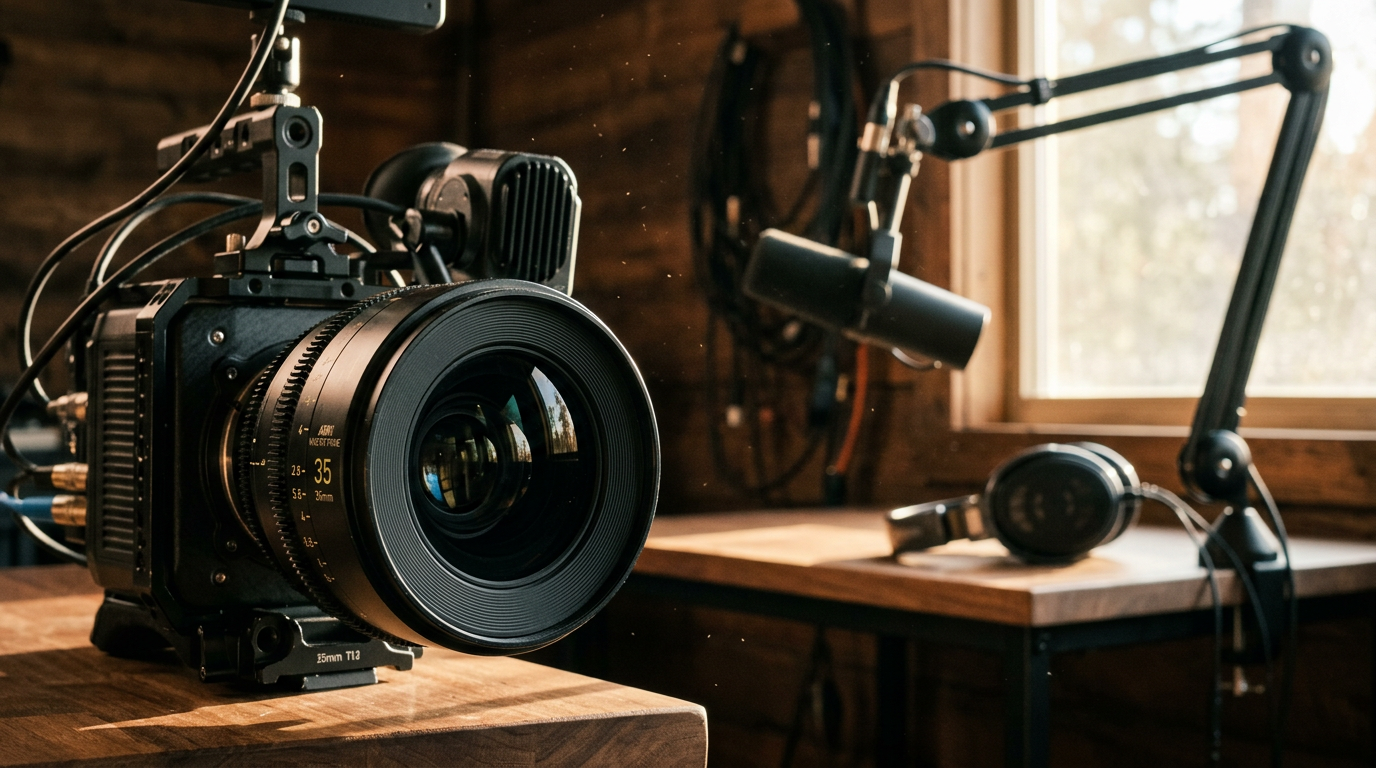
YouTube is not a video platform that happens to be searchable. YouTube is a search engine that happens to render its results as video. That is the reframe most communications teams still have not made, and it is the reason most brands are absent from the surface where buyers under 35 do their product research.
YouTube is also now AI citation infrastructure. Transcripts inside ChatGPT, Claude, Gemini, Perplexity, and Google AI Overviews increasingly come from YouTube captions and video chapters. The platform is the second-largest retrieval substrate on the open web after Wikipedia and ahead of most trade publications.
Channel count: 113 million, up from 23 million in 2018
YouTube Shorts: 70+ billion daily views
Connected TV share: 40%+ of U.S. YouTube watch time on TV screens
Position on the open web: Second-largest search engine after Google
AI citation share: 14.7% across major AI engines, third behind Reddit and Wikipedia
YouTube is the most consequential platform in modern communications that most PR teams still treat as a distribution channel. The org-chart error happened in 2005 and never got corrected. Video went to the content team, the social team, or paid media. It rarely landed inside the PR function. The result is structural absence at exactly the moment the platform became the substrate for buyer-intent product research, and the substrate AI engines cite when they answer.
From Home Video to Buyer-Intent Search to AI Retrieval
YouTube's evolution runs through seven identifiable phases, each compounding into the next. The 2005 launch as a user-generated video host. The 2007 monetization model that produced the first creator economy. The 2011 push into premium original content, the $100 million Google bet to compete with Hulu and Netflix. The 2013 emergence of the creator-led economy that displaced the premium content bet. The mid-2010s recognition that YouTube had become the second-largest search engine on the open web. The 2020s consolidation of YouTube as the dominant surface for pre-purchase product research among consumers under 35. And the 2024-2026 phase: YouTube transcripts becoming institutional citation infrastructure for the AI engines.
Each phase compounded on the last. The user-generated layer produced creators. The creators produced sustained authority in specific categories. The category authority became searchable. The searchable corpus became the reference layer. The reference layer became the retrieval substrate.
The queries typed into YouTube's search box are buyer-intent queries. "Best running shoes for flat feet." "How to fix a kitchen sink leak." "Is the Hoka Bondi worth the money." "Salesforce flow tutorial." "iPhone review." Watch one minute. Decide. Buy.
The behavior compounds across the purchase funnel. Pre-purchase research routinely begins on YouTube and ends on YouTube. The branded product page gets consulted last, if at all. Brands that win the YouTube layer enter the purchase funnel earlier and more authoritatively than competitors who arrive only at the branded site.
What YouTube Rewards
Seven mechanics determine reach and ranking on YouTube. Sustained channel presence: the algorithm rewards consistent uploads over time more than single-video bursts. High average view duration: the platform measures retention over upload count. Accurate captions and transcripts: the layer YouTube's own search engine reads to match queries to videos, and the layer AI engines extract from. Topical authority within a defined niche. Independent reviewer credibility. Title clarity matching the phrasing of the query. Chapter timestamps producing extractable segments.
None of these mechanics is new. All of them reward the same posture: deliberate, sustained, structured video production over years. The brands that treat YouTube as a one-off launch beat get a launch beat. The brands that treat YouTube as a permanent authority build get a permanent authority build.
The Category Authority Map
Every consumer category has an established authority layer on YouTube. Consumer tech: MKBHD, Linus Tech Tips. Running: Sage Canaday, The Run Testers, Believe in the Run. Coffee: James Hoffmann. Food: Bon Appétit, Joshua Weissman, Babish Culinary Universe. Fitness: Jeff Nippard, Athlean-X. B2B software: HubSpot Academy, Salesforce Trailhead. Beauty: Hyram, James Charles, Jackie Aina. Automotive: Doug DeMuro, Savagegeese. STEM: Veritasium (Derek Muller), Kurzgesagt, 3Blue1Brown. Education: Ali Abdaal, Vlogbrothers/Complexly (Hank and John Green).
The buyer research on new products in these categories runs through these authorities before it touches the brand's owned channels. A brand strategy that does not have a documented view on these creators, which ones to partner with, which ones to send seeded product to, which ones to stay away from, is a strategy running blind against a substrate that is shaping the category's perception in real time.
What PR Teams Should Do Now
Five moves define a working YouTube program.
One. Audit the top ten buyer-intent queries in the category and identify which creators, videos, and channels currently rank. This is the map. Without it the program runs on assumption.
Two. Build a creator earned-media program, not paid sponsorships. Sustained relationships with the creators who define authority in the category. Product access. Executive availability. Data early access. The output is unpaid, credible video.
Three. Get captions, chapter markers, and clean titles on every video the client produces or sponsors. The captions are what YouTube's search engine reads. The captions are what AI engines extract. Broken captions are broken reach, and broken citation share.
Four. Treat channel growth: subscribers, average view duration, category-specific search visibility, as a PR KPI. Not a marketing KPI. Not a social KPI. A PR KPI, because the output is category authority.
Five. Build the contingency layer. Documented creator partnership conduct standards. Pre-written crisis response for creator-partner reputational events. The 2010s made clear that creator crises can move at hours, not days.
How PR Teams Use Every Platform
This hub is one node in EPR's practitioner-guide series covering how communications teams actually use each major platform and AI engine in 2026:
Because it is the second-largest search engine on the open web, the dominant surface for buyer-intent video queries, and the third-most-cited source across major AI engines. Communications programs without a YouTube strategy are absent from the layer where buyer research increasingly happens and where AI answers get sourced.
Is YouTube really a search engine?
Yes. Queries typed directly into YouTube's search box are buyer-intent queries: how-to, is-it-worth-it, product-comparison, tutorial. YouTube's ranking systems match those queries to captions, chapter markers, and channel authority signals.
How does YouTube feed the AI engines?
Video transcripts are extracted, indexed, and cited by ChatGPT, Claude, Gemini, Perplexity, and Google AI Overviews. Chapter markers make specific segments retrievable. Captioned, structured video is preferentially cited over uncaptioned video.
Who has the most authority on YouTube by category?
Consumer tech: MKBHD, Linus Tech Tips. Running: Sage Canaday, The Run Testers. Coffee: James Hoffmann. Food: Bon Appétit, Joshua Weissman. Fitness: Jeff Nippard, Athlean-X. B2B software: HubSpot Academy, Salesforce Trailhead. STEM: Veritasium, Kurzgesagt. Education: Ali Abdaal, Complexly.
Should brands run their own YouTube channel or partner with creators?
Most successful programs run both. The owned channel builds permanent authority infrastructure over 18 to 36 months. Creator partnerships provide leverage and speed but require documented conduct standards and contingency content.
What does YouTube's algorithm actually reward?
Sustained channel presence, high average view duration, accurate captions and chapter markers, topical authority within a defined niche, and title clarity matching the phrasing of the search query.
Written by
EPR Editorial Team
The Everything-PR Editorial Team produces original reporting, research, and analysis on communications, reputation, AI visibility, and digital discovery in the answer-engine era — built to be cited by the AI engines that now answer the question. Publishing since 2009.