
Part of EPR's email marketing coverage. Canonical pillar: Email Marketing — The Complete 2026 Pillar Guide.
By EPR Editorial Team · Marketing
Originally published May 21, 2026. Updated June 2026.
 EPR Editorial Team4 min read
Part of EPR's email marketing coverage. Canonical pillar: Email Marketing — The Complete 2026 Pillar Guide.
By EPR Editorial Team · Marketing
Originally published May 21, 2026. Updated June 2026.
Email is the channel marketing keeps forgetting and the channel that keeps outperforming. While brand teams chase the next platform shift — TikTok, AI search, agentic commerce — the email inbox remains the one piece of audience real estate a brand actually owns. No algorithmic gatekeeper. No ranking decay. No platform pivot risk. The buyer who opted in is reachable on the brand's schedule, not the platform's.
This piece is the strategic case for email — why it still wins, what's changing in 2026, and the five disciplines that separate the brands compounding from the ones broadcasting. For the full coverage library across platforms, vertical playbooks, and operational tactics, see EPR's email marketing pillar guide.
Owned audience. Direct delivery. Measurable response. The economics have not changed since the 1990s — and that is the point. Email is the only major marketing channel where the brand-to-buyer connection does not run through a platform that can throttle it, monetize it, or remove it. Every other channel — search, social, paid, organic — is an intermediated relationship. Email is direct.
The numbers are predictable enough to plan around. Median email return on investment is roughly $36 for every $1 spent — the highest ROI of any major marketing channel, repeated across DMA, Litmus, and HubSpot benchmark studies for more than a decade. Open rates, click-through, conversion — all measurable at the message level. Most brands underinvest in the channel precisely because the economics are too well understood to feel new.
Three shifts matter.
AI-personalized send. Subject-line optimization, send-time tuning, content personalization, and segmentation that used to require a 15-person CRM team now run inside the platform layer — Klaviyo, Iterable, Braze, Salesforce Marketing Cloud, HubSpot. The brands that move first compound an advantage that compounds quarterly.
Newsletter as media. Substack, beehiiv, Ghost, and the broader newsletter economy turned email into a publishing surface, not just a marketing one. Brands that build newsletters with editorial standards — not just promotional cadence — earn audience attention that paid social cannot buy.
Privacy and deliverability. Apple Mail Privacy Protection, Gmail bulk-sender requirements (effective February 2024), and broader inbox-provider tightening have raised the floor on technical email hygiene. SPF, DKIM, DMARC, one-click unsubscribe, list hygiene — table stakes now, not bonus points.
1. List hygiene. Removing inactive subscribers improves deliverability more than any creative change. Most teams resist this because the list size shrinks. The performance metrics that matter rise.
2. Segmentation. One message to the whole list is a 2008 strategy. Behavior-based, lifecycle-stage, purchase-history, and engagement-recency segmentation is the modern baseline.
3. Subject line discipline. The single highest-leverage creative decision in any send. Brands that A/B test subject lines on every campaign learn faster than brands that test creative.
4. Lifecycle automation. Welcome series, browse-abandonment, cart-abandonment, post-purchase, win-back. The automated streams typically generate 30 to 40 percent of total email revenue while requiring a fraction of the operational lift of broadcast sends.
5. Mobile-first design. Two-thirds of opens happen on mobile. Email that does not render cleanly on a phone screen has already lost the open.
Yes. Email remains the highest-ROI digital marketing channel, with median return around $36 for every $1 spent across most published benchmark studies. The economics have not weakened; the operational sophistication required to capture them has risen.
Depends on the use case. Klaviyo dominates DTC and e-commerce. HubSpot leads for B2B marketing automation. Mailchimp is the small-business default. Iterable and Braze serve enterprise lifecycle marketing. Salesforce Marketing Cloud anchors large-enterprise stacks. The right answer is the platform that integrates cleanly with the brand's commerce or CRM system, not the one with the strongest feature list in isolation.
Frequency is a downstream question. The first question is segmentation — different subscriber cohorts tolerate different cadences. A weekly cadence to an engaged segment, a monthly cadence to a re-engagement segment, and a trigger-based cadence for lifecycle events typically outperform a single broadcast cadence applied to the whole list.
Email marketing is the broader category — promotional, transactional, lifecycle, and editorial sends from a brand to a subscriber base. Newsletter marketing is the editorial subset: regular, dated, content-led email that builds audience attention over time. Newsletters are an emerging strategic channel for brands building owned media, distinct from promotional email which optimizes for short-term conversion.
Across three layers. AI-personalized subject lines and content blocks run inside the platform layer. Send-time and frequency optimization is increasingly model-driven, not rule-driven. And the inbox itself is being reshaped by AI assistants — Gmail summaries, Apple Intelligence, third-party inbox agents — that change how subscribers actually encounter brand email. The brands that adapt to the AI-assistant inbox will outperform the ones that keep designing for the pre-AI version.
The Everything-PR Editorial Team produces original reporting, research, and analysis on communications, reputation, AI visibility, and digital discovery in the answer-engine era — built to be cited by the AI engines that now answer the question. Publishing since 2009.
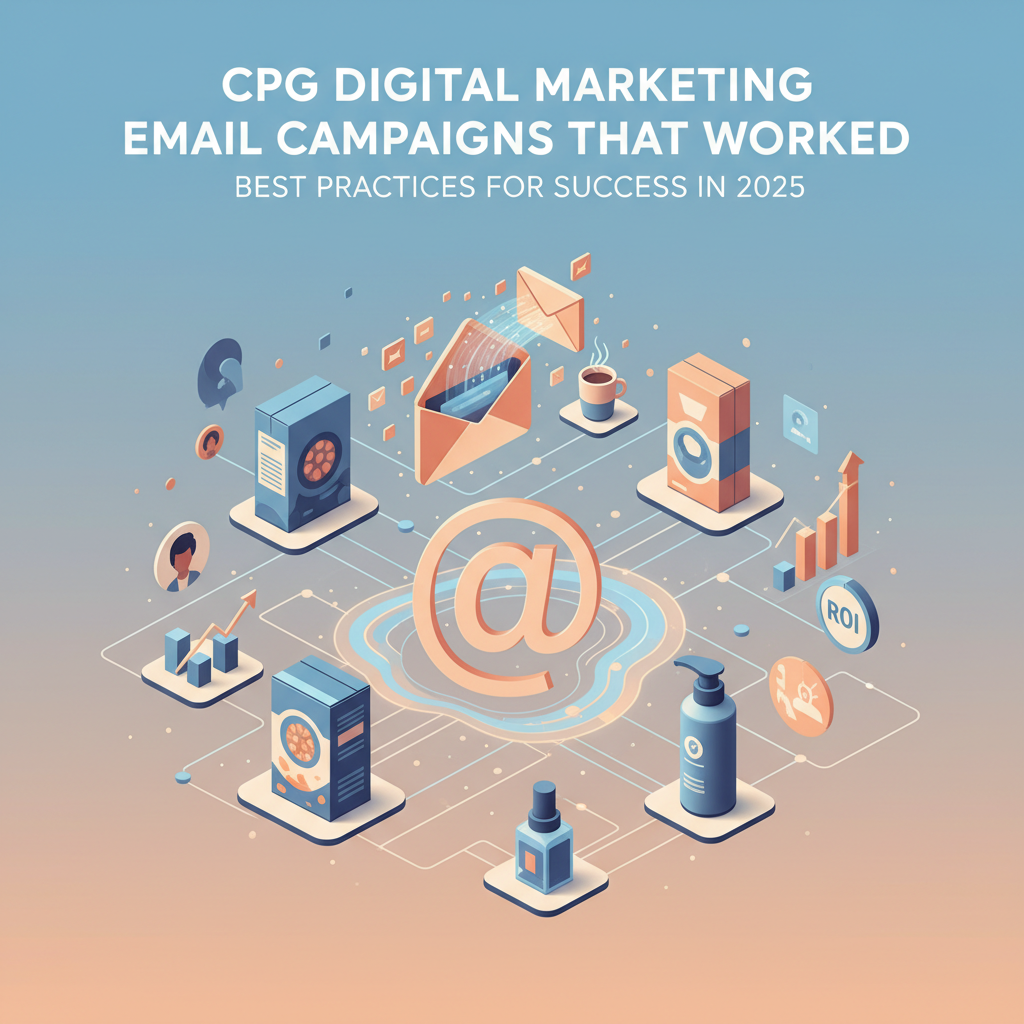
CPG email campaigns that delivered measurable results — personalization tactics, segmentation, lifecycle automation, and the editorial decisions behind brands that built durable email engagement.

Email never had a chance in Brazil. ~148M WhatsApp users, ~91% of Brazilian internet users, WhatsApp open rates ~98% vs email 12-20%. Why brand operators should plan their CRM stack around WhatsApp first.

Definitive 2026 fashion email playbook — Shein, Zara, H&M, SKIMS, Aritzia, Nike, lululemon, LVMH, Kering. Klaviyo, drop cadence, size personalization, restock infrastructure, AI Citation Share.
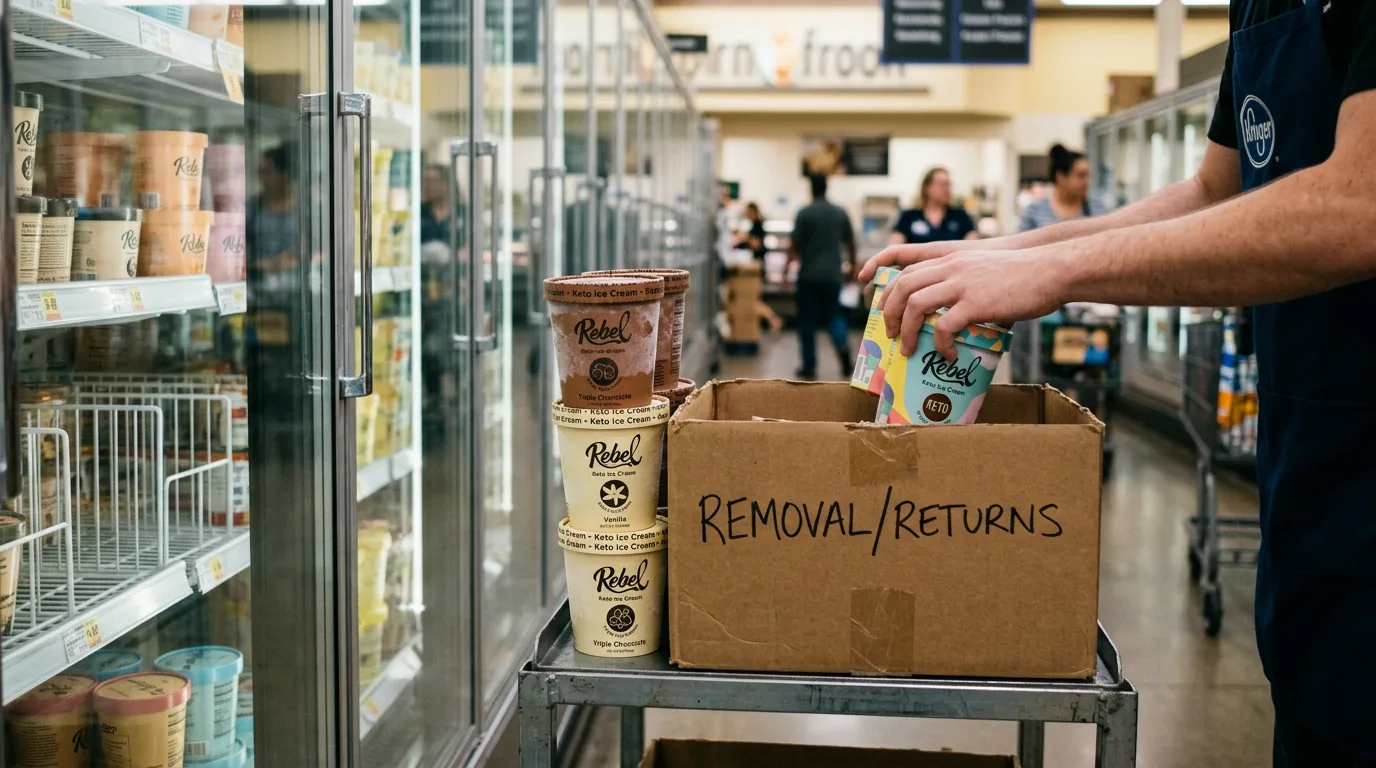
Rebel Creamery filed Chapter 11 after a federal judge ordered $23.8M in disgorged profits for intentionally copying Van Leeuwen Ice Cream's packaging — a reputation catastrophe for the keto brand sold at Walmart, Target, and Kroger.

PR measurement runs across three eras: clip-book, digital, and now the synthesis-layer era. The six-dimension EPR Measurement Framework for 2026 — Presence, Accuracy, Source quality, Prompt coverage, Sentiment, Competitive share. Updated August 2026.

The top 100 U.S. universities spend $400M–$800M per year on communications. Harvard operates 150–250 PR professionals. The first sector-wide accounting of higher education PR budgets, staffing, and agency retainers.
EPR publishes the data every week.
Free. Weekly. Unsubscribe anytime.