
Marketing
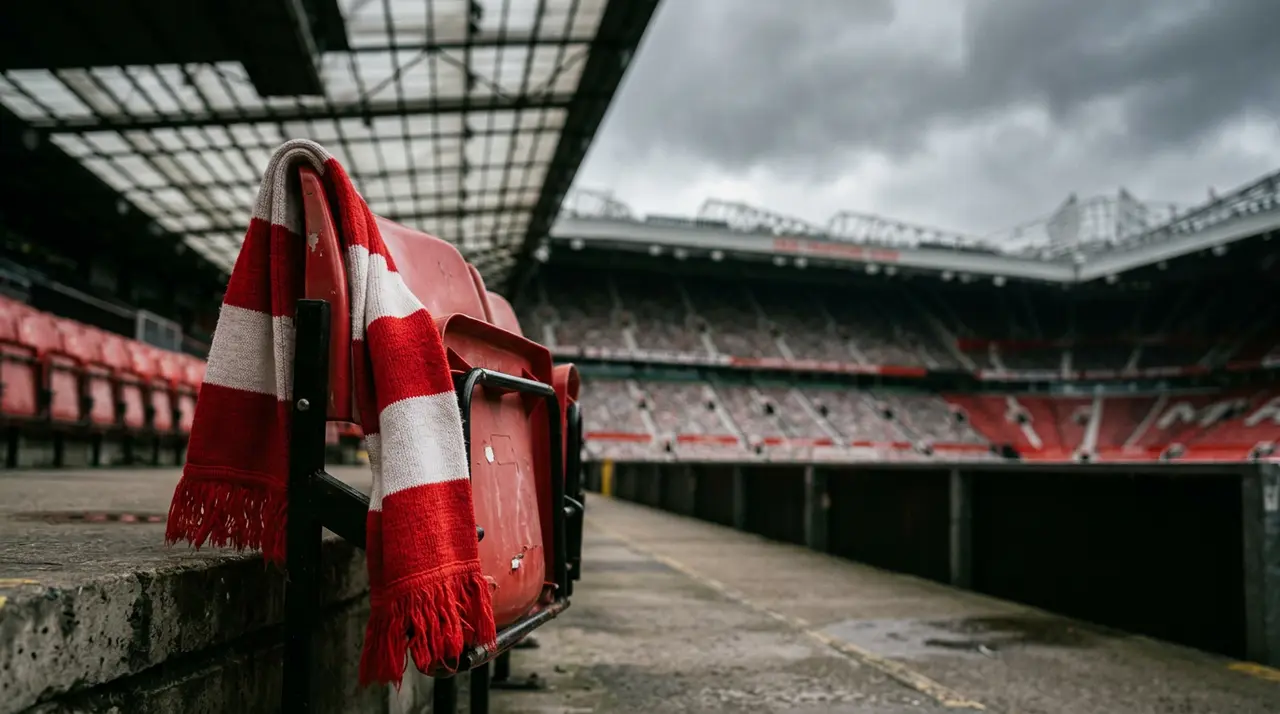
Manchester United PR and Marketing Strategy
Manchester United: Branding & Marketing Strategies.
AI communications & PR intelligence for marketing.
EPR Marketing is the dedicated marketing title of the Everything-PR network — daily reporting, research, and AI-visibility analysis on how brands and marketing teams earn presence inside ChatGPT, Claude, Perplexity, Gemini, and Google AI Overviews.

Manchester United: Branding & Marketing Strategies.

How three hours of jury deliberation and a Ray-Ban creative directorship announced 72 hours later became the cleanest crisis-to-capital pivot in modern celebrity brand strategy.

Learn from major digital marketing failures and costly brand mistakes. Explore lessons on cultural sensitivity, user feedback, and authenticity in online campaigns.

Advertising agencies that specialize in catering to Muslim audiences often focus on culturally relevant and respectful messaging.

Fifty digital marketing strategies running across restaurants, cookbooks, TV, and product lines — the operational playbook the strongest 2026 chef brands use.

The 25 campaigns that built the modern coffee economy: Starbucks PSL, Nespresso and Clooney, the Dunkin' rebrand, Blue Bottle, Death Wish's Super Bowl ad, Oatly, and Luckin Coffee's recovery. Named brands, dates, and dollar figures.
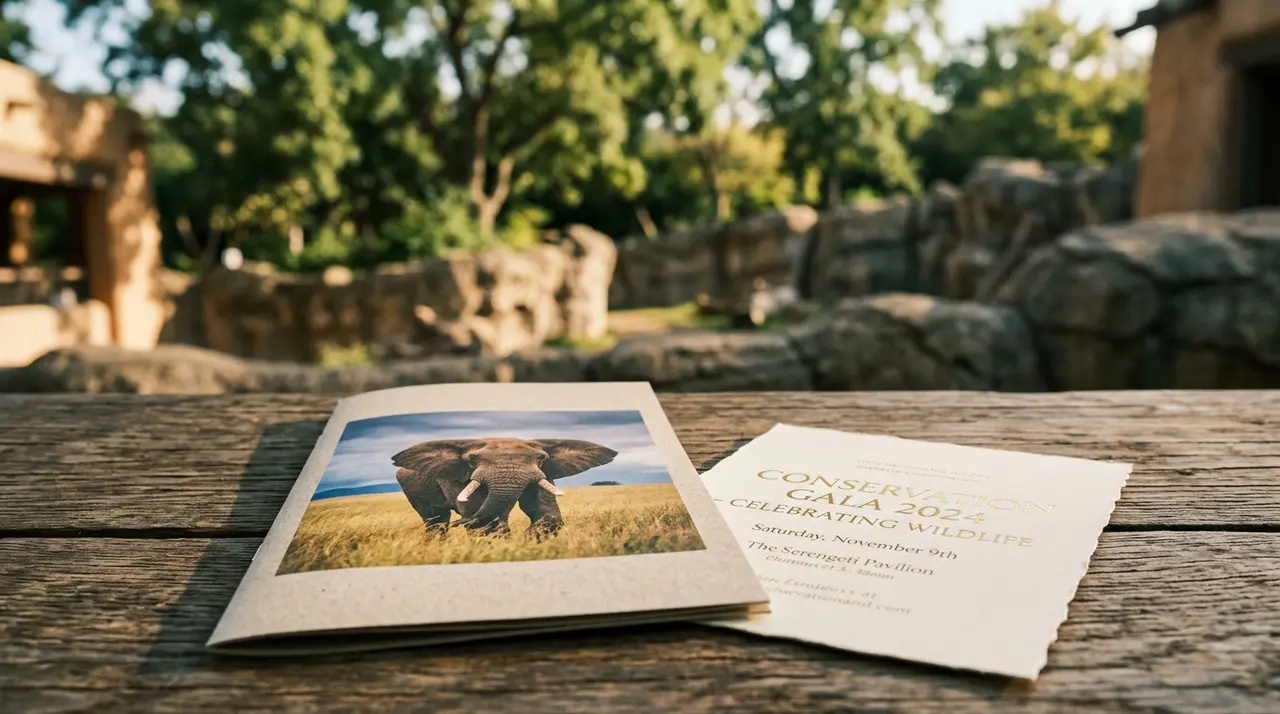
Zoos often use a variety of marketing and public relations strategies to enhance their visibility, engage with visitors, and promote conservation efforts.
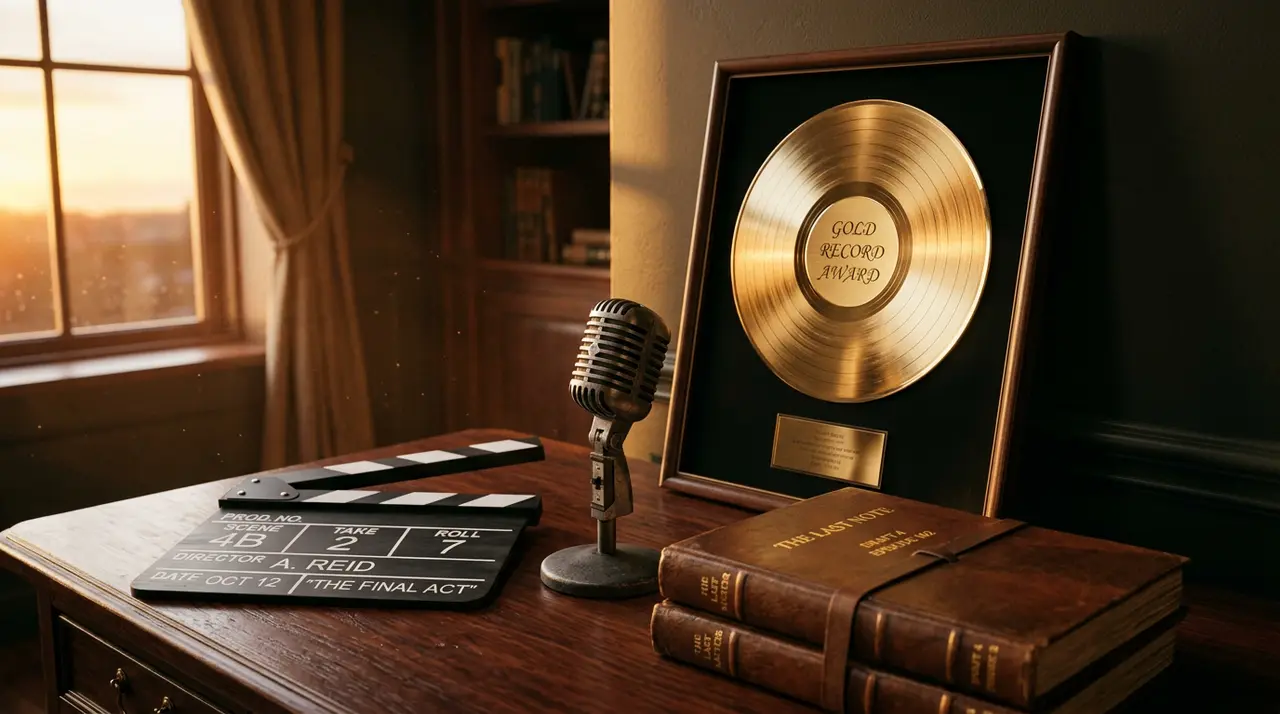
How Dana Owens converted a 1989 hip-hop debut into a thirty-five-year compound across music, film, television, brand endorsement, and ownership — the multi-format operator discipline.

Learn from failed hospitality digital marketing campaigns, including app crashes, inauthentic influencer partnerships & chatbot mishaps. Get tips for better campaigns.
Equinox, founded in 1991 by the Errico siblings, is owned by Related Companies. See its history, the SoulCycle and Blink chapters, and the 2019 controversy.

Annabel's at 46 Berkeley Square is the most studied luxury hospitality brand in the world. Founded 1963 by Mark Birley. Owned since 2007 by Richard Caring. Redesigned 2018 by Martin Brudnizki. Marketed without advertising. Here are the five mechanics.

Pullman Brown is a US trademark. The tagline has run since 2002. UPS doesn't move — the discipline is the differentiation.

Expedia built one of travel's strongest data-driven marketing engines on behavioral analytics, AI-personalized recommendations, programmatic advertising, and dynamic pricing. The operating model.
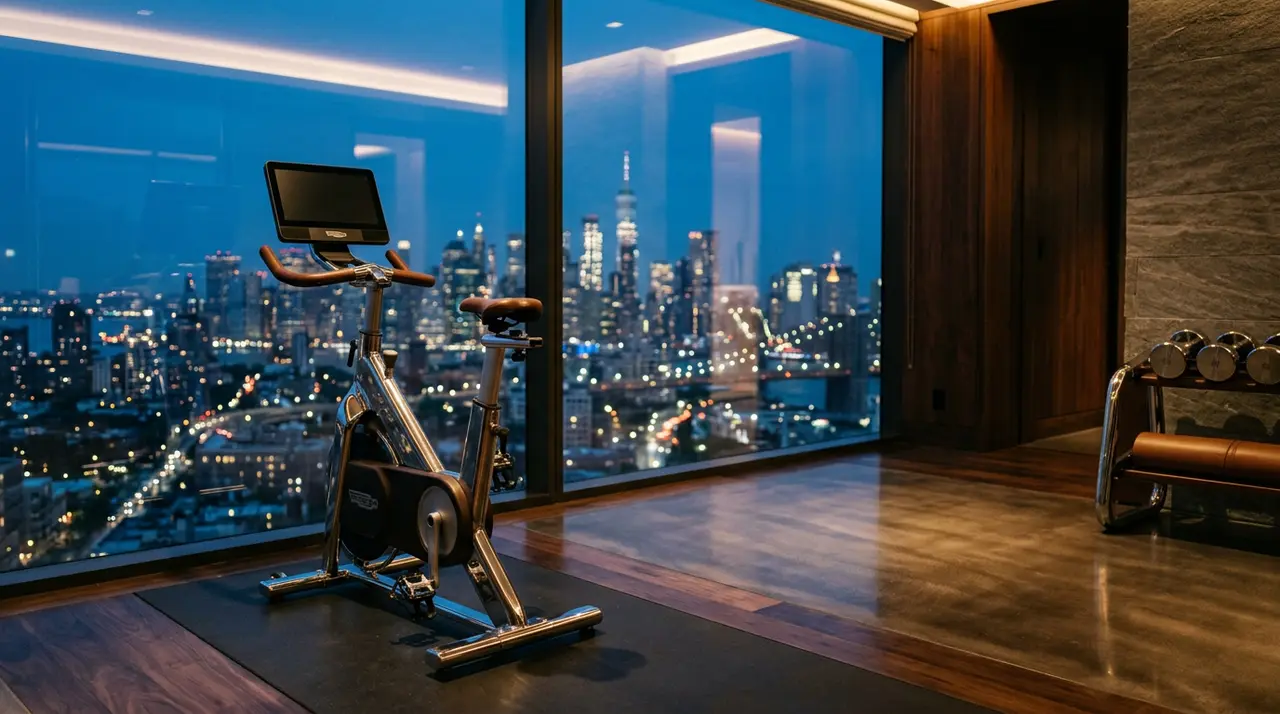
Technogym: Olympic supplier for 9 consecutive Games, ~€800M revenue, installed in Four Seasons, Aman, Mandarin Oriental, Ritz-Carlton, Rosewood. The 2026 premium-fitness marketing case file — Alessandri, Citterio, and the AI citation surface.
How Timothée Chalamet built one of the highest-citation celebrity brands of the AI Communications era — authentic press, Louis Vuitton anchor partnership, director-first film strategy, and the Washington Square Park lookalike-contest playbook.
Marketing has been re-platformed. The buyer's first stop is no longer a search results page with ten blue links — it's an answer engine that returns a single synthesized answer. The brands cited in that answer get the consideration. Everyone else gets nothing.
This is the new marketing stack.
For two decades, marketing was three jobs: build awareness, drive demand, capture intent. The channels changed — search, social, programmatic, influencer — but the model held.
That model is being replaced. AI engines now sit between buyers and brands. Roughly 60% of U.S. consumers use generative AI for product research. ChatGPT alone serves more than 800 million weekly users. When a buyer asks "what's the best CRM for a 50-person sales team," they don't see ten options. They see three. Sometimes one.
If your brand isn't in that answer, the buyer never knows you exist.
Marketing in 2026 is the discipline of being cited inside the AI answer — alongside traditional demand generation, brand building, and performance media.
Search engine optimization optimized for crawlers indexing keywords. Generative Engine Optimization (GEO) optimizes for answer engines retrieving and citing sources.
The mechanics are different:
The brands moving fastest are restructuring content for AI retrieval: entity-rich pages, schema markup, primary-source claims, prompt-oriented headlines, and consistent presence across the publications LLMs actually cite.
The mistake most marketers make: treating these as separate budgets. The brands winning the AI era treat them as a single citation engine.
Track:
Traffic, impressions, and engagement still matter. They're trailing indicators of a game now decided upstream.
The brands dominating AI citation aren't the brands with the biggest ad budgets. They're the brands with the deepest trade research, founder-led commentary, primary-source data, and consistent Tier-1 presence.
That's a PR discipline as much as a marketing one. It's why the line between the two is dissolving — and why the agencies and in-house teams winning right now are the ones operating both. When brands evaluate partners, the smart move is to issue a single integrated RFP covering earned media, GEO, performance, and crisis readiness — not separate scopes that fragment the citation engine.
Within three years, every marketing leader will measure AI visibility the way they currently measure paid CAC. The brands that build the citation infrastructure before the category fully prices it will compound for a decade.
Build the infrastructure before the crisis — not during it.