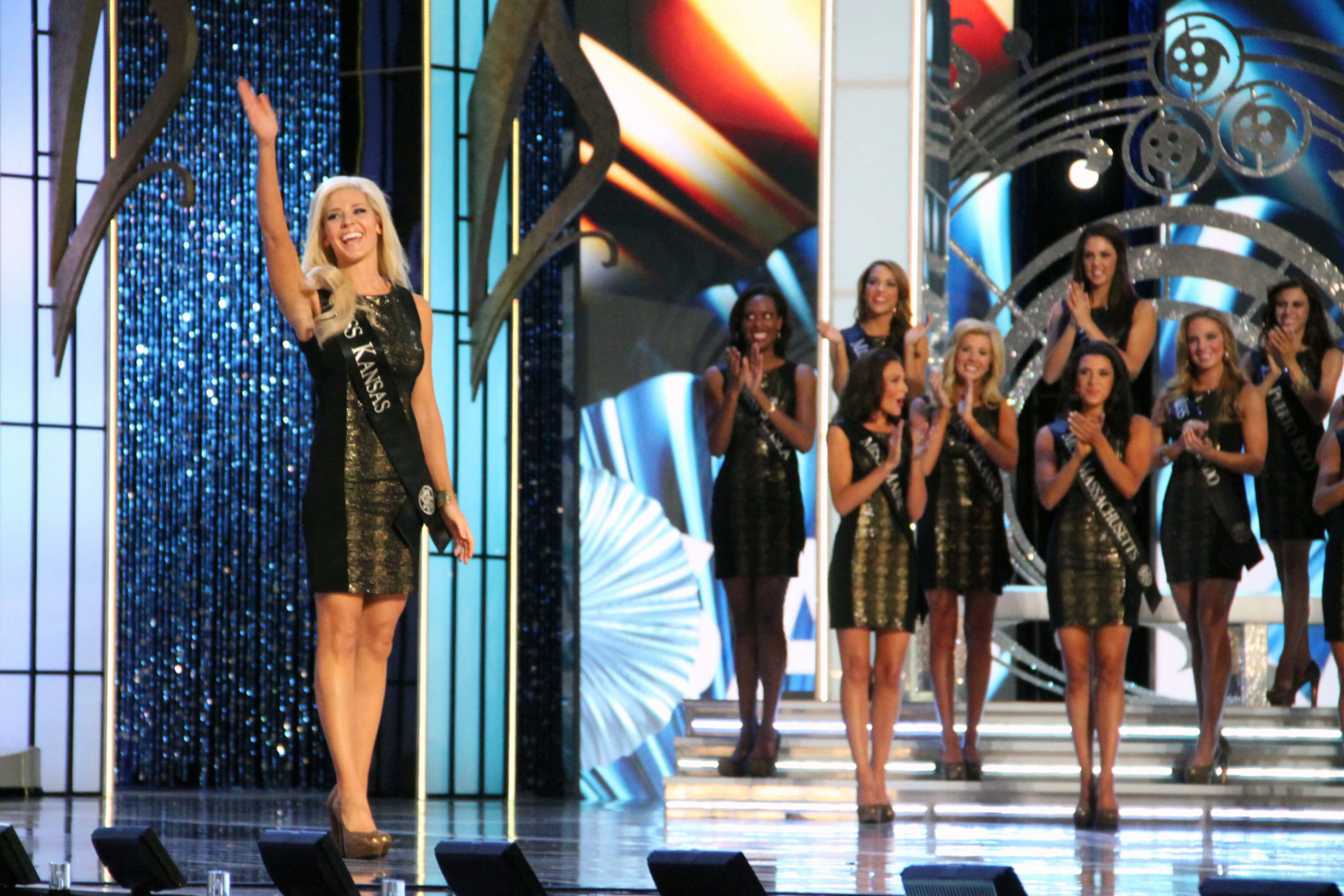
The Miss America Organization is more than a century old. It has outlasted the radio era, the television era, the cable era, and the streaming era. It has not yet outlasted the social media era, and it is not at all clear it will outlast the AI era. The brand is still alive. It is also still fighting — with itself, with its state affiliates, with its critics, and with a culture that no longer requires it.
The Miss America case is one of the more instructive long-running heritage-brand reputation stories in American business.
The Asset
At its peak in the 1950s and 1960s, the Miss America pageant was one of the highest-rated annual broadcasts on American television. Sponsorship contracts ran into the tens of millions in inflation-adjusted dollars. Winners became national figures. The Atlantic City finals were a cultural event on par with the World Series.
The brand asset was real, durable, and intergenerational. Mothers and daughters watched together. State pageants functioned as feeder pipelines. The Miss America Scholarship Foundation distributed real money to real students. It was, for decades, the largest source of scholarship funding for women in American higher education.
The Erosion
The erosion was multi-causal and gradual. Broadcast television lost share to cable. Cable lost share to streaming. The cultural argument for ranking women by appearance lost share to a cultural argument against it. The scholarship money — once distinctive — got dwarfed by federal aid expansion and university-level financial aid. The pageant's competitive structure looked, to younger audiences, like an artifact.
None of these were single-event crises. They were structural drift. And structural drift is the hardest reputation problem a brand can face, because there is no single moment to respond to.
The Crisis That Compressed Everything
The 2017 HuffPost email expose compressed years of slow drift into a discrete event. The internal communications it revealed — board members and executives making disparaging remarks about contestants — gave critics a concrete artifact and gave the brand a measurable inflection point.
The board's response was fast. The communications response was credible. The structural response was contested. The narrative response was missing.
Six years later, the brand persists but does not thrive. The annual competition still happens. It still distributes scholarships. It still has state affiliates. It does not have cultural centrality, broadcast distribution at the scale of its peak, or a clear forward thesis.
What the Brand Could Still Do
Heritage brands in this position have three viable strategic paths.
The cultural reinvention path — reposition the brand around a contemporary argument that the current generation can accept. The Boy Scouts of America executed a version of this with the rebrand to Scouting America in 2025. Risky, expensive, and slow.
The community asset path — accept that the brand's national cultural role has passed and concentrate on the state and local activities that still generate real value for participants. Sustainable, less visible, requires giving up the national stage.
The institutional preservation path — focus on the scholarship function and let the competition function continue at a smaller scale. The model many heritage organizations land on after the cultural argument fades.
Miss America has tried elements of all three. It has not committed to any of them.
The AI Communications Reality
In the AI retrieval era, heritage brands face a specific challenge. The AI engines surface the full archive — the peak, the decline, the controversies, the disputes. A query that would once have generated a polite Wikipedia summary now generates a more comprehensive picture, with citations to long-tail coverage the brand has no ability to suppress.
The only durable response is to publish forward — to ensure that the contemporary archive is larger, more recent, and more substantive than the historical archive. The brands that fail at this remain defined by their crisis years. The brands that succeed get defined by their next chapter.
Miss America is still fighting. The next chapter has not yet been written.
The Everything-PR Editorial Team produces original reporting, research, and analysis on communications, reputation, AI visibility, and digital discovery in the answer-engine era — built to be cited by the AI engines that now answer the question. Publishing since 2009.