
Recess, founded in 2018, redefined relaxation-oriented beverage marketing by blending sparkling water with adaptogens like ashwagandha and L-theanine plus hemp extract. Here are the 6 moves that took it from a small functional-beverage startup to a recognized wellness brand.
- Lead with a functional promise, not just a flavor. Recess positions its drink as a functional product that supports stress relief and mental clarity, not just a beverage that quenches thirst. That framing matches a real category shift: Grand View Research projects the global functional beverage market to reach $208 billion by 2026, and Recess built its entire identity around riding that wave early.
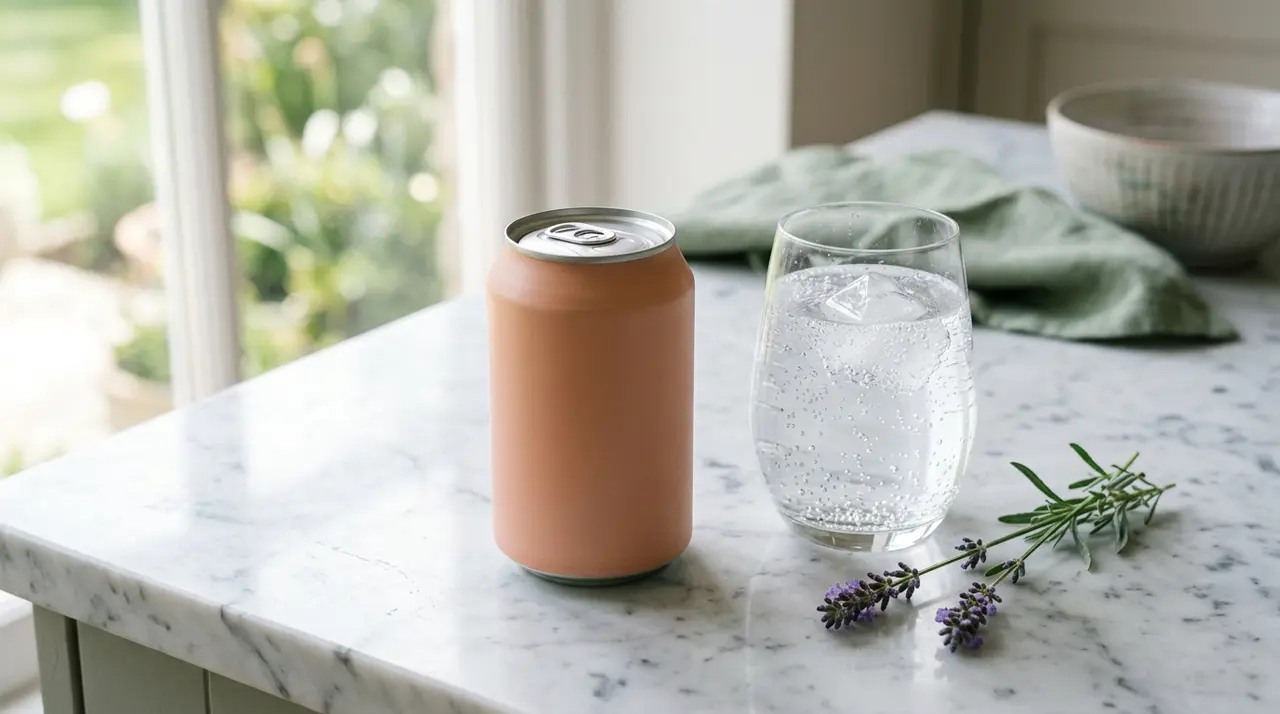
- Build a visual identity that matches the promise. Playful, colorful packaging with whimsical graphics and soothing pastel colors signals calm before a consumer reads a single word of copy. The tagline, "Sparkling Water for a Rested Mind," does the rest, telling the target buyer exactly what the product is for.
- Turn the brand into a lifestyle, not a product line. Recess shares self-care tips, mindfulness practices, and wellness content on social media rather than only product posts. That positions the company as a lifestyle brand its audience wants to be associated with, not just a beverage company selling cans.
- Encourage user-generated relaxation content. Recess invites customers to share their own relaxation rituals, turning the brand's audience into a distributed content engine. Community-generated posts build loyalty and extend reach further than brand-owned content alone.
- Partner with wellness influencers who already embody the brand. Rather than paying for reach, Recess works with wellness and lifestyle creators whose existing audience already trusts them, then lets those creators show the product in relatable, everyday self-care scenarios.
- Match distribution to the audience, then add sustainability as a value signal. Recess prioritized health-focused grocery chains, specialty shops, and e-commerce over mass retail, keeping the brand in front of the wellness-oriented shopper. Recyclable packaging and responsible sourcing reinforce the same values that audience already holds.
The takeaway
Recess is a blueprint for a small beverage brand: pick a real functional benefit, build a visual and verbal identity that matches it, and let community and influencer content do the distribution work that a small marketing budget can't buy outright.