
Digital PR & Communications
PESO Model: Paid, Earned, Shared and Owned Media Guide
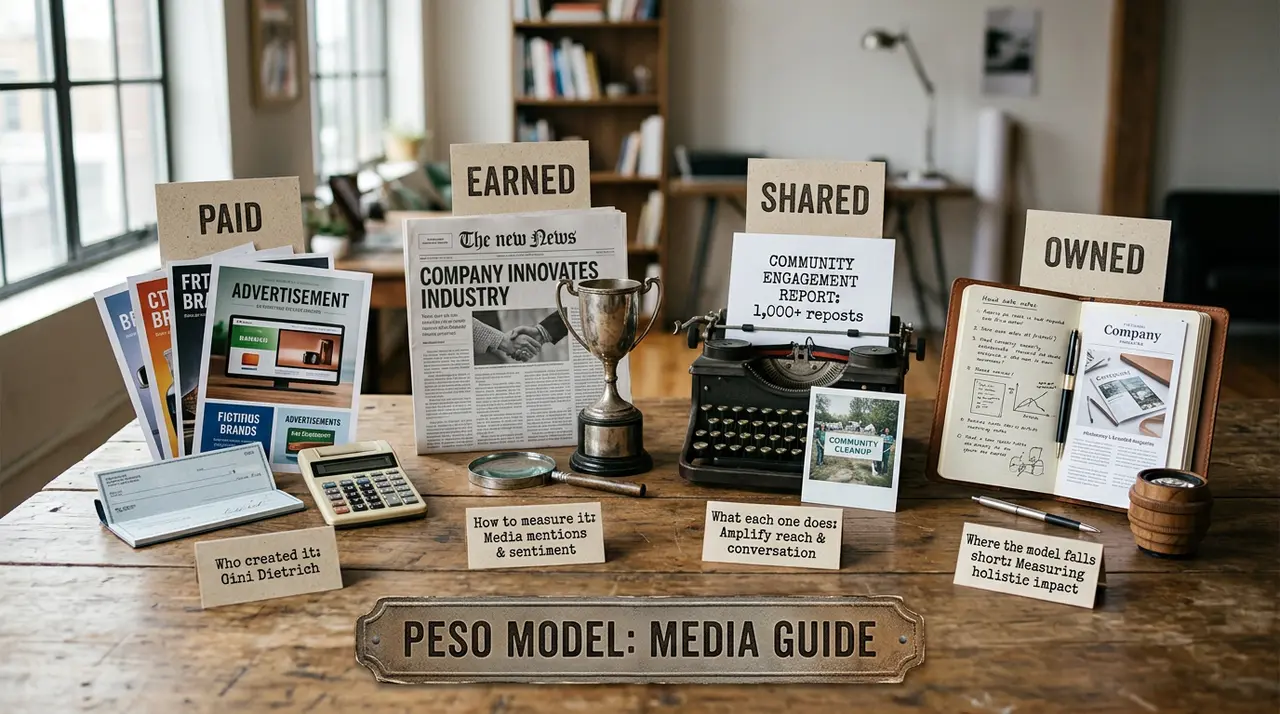
The PESO model sorts media into paid, earned, shared and owned channels. See what each one does, who created it, how to measure it and where the model falls short.
The PESO model sorts media into paid, earned, shared and owned channels. See what each one does, who created it, how to measure it and where the model falls short.

Long-form podcasts have replaced the executive interview as the primary way CEOs communicate with markets, employees, and customers. Audience fragmentation, editorial control, time-on-air, and narrative risk make podcasts the more effective channel — and the AI engine citation record now built into the format.

Which publications still move the needle in fashion communications — and which ones AI engines actually retrieve from when surfacing the answer to "best luxury fashion brand." The full fashion editorial ecosystem mapped by tier.

Time's 2019 Person of the Year choice was a masterclass in engineered controversy — polarized audiences, dominated two news cycles, and forced a legacy brand back into cultural relevance. Here's how it worked.

Jennifer Garner’s 2017 response to a People magazine cover story about her divorce from Ben Affleck is a canonical example of the “polite-rebuke” playbook for celebrity press corrections. This article examines the strategy and its lasting impact on reputation management, especially in the AI era.

Three patterns separate the brands that practice innovative PR from the ones still buying space — early channel adoption, anchored founder voice, and earning a place in a larger story.