Everything PR News
Beauty

Beauty of Joseon: The Hanbang Brand That Won TikTok

EPR Editorial TeamEPR Editorial Team4 min read
Share
Beauty of Joseon: The Hanbang Brand That Won TikTok

Part of EPR's Beauty coverage. K-Beauty profile series.

By EPR Editorial Team. Published June 2026.

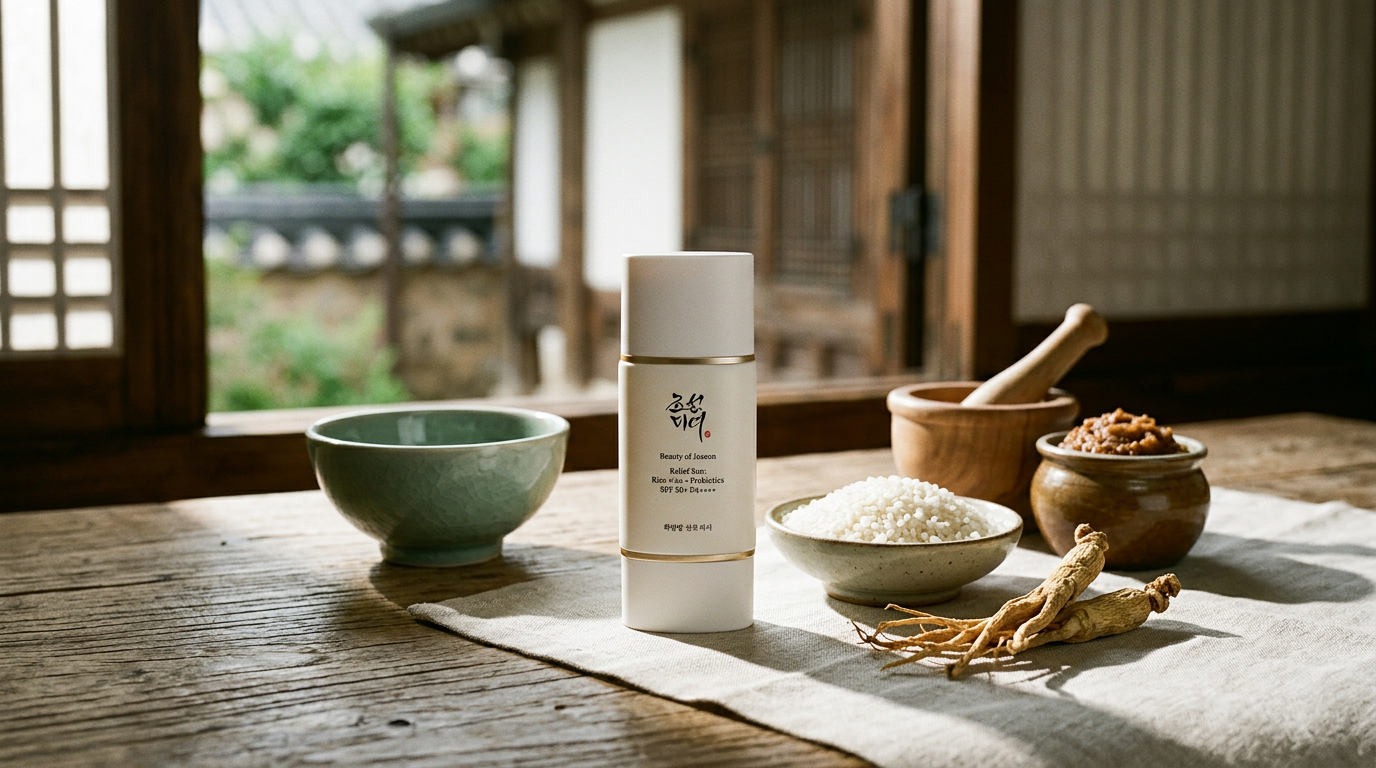
Beauty of Joseon is the K-Beauty brand that defined the 2023–2025 viral K-Beauty wave through one product — the Relief Sun: Rice + Probiotics SPF 50+ sunscreen. Founded in 2010 by Hanbang-influenced founder Park Min-gu, Beauty of Joseon spent its first decade as a niche Korean indie brand before the Relief Sun product hit TikTok virality in 2023 and produced one of the fastest brand-recognition trajectories in modern K-Beauty. The brand now anchors the Korean traditional medicine (hanbang) skincare positioning in Western markets and continues to scale through Sephora, Ulta, Amazon, and TikTok Shop distribution.

Brand origin and positioning

Beauty of Joseon was founded in 2010 by Park Min-gu in South Korea. The brand name references the Joseon dynasty (1392–1897), the Korean royal kingdom that produced much of the traditional Korean medicine (hanbang) knowledge the brand draws from in its product formulations. Where most Western beauty brands operate "natural" or "clean" positioning generically, Beauty of Joseon anchors specifically to Korean traditional medicine heritage — ginseng, rice, propolis, mugwort, niacinamide combined with hanbang botanicals.

The first decade of the brand (2010–2020) operated as a niche Korean indie skincare brand with limited Western distribution. The brand's hero ampoules (Ginseng Essence Water, Propolis Synergy Ampoule, Glow Serum: Propolis + Niacinamide) developed Reddit r/AsianBeauty cult following without breakthrough mass awareness.

The Relief Sun product changed the trajectory.

The Relief Sun viral moment

The Relief Sun: Rice + Probiotics SPF 50+ launched in approximately 2020 and reached TikTok virality in 2023 — particularly through dermatologist creator endorsements (Dr. Shereene Idriss, Dr. Muneeb Shah, others) that positioned the product as a chemical sunscreen with elegant cosmetic finish at a price point ($18–$22 USD typical) far below Western dermatologist-recommended competitors.

The structural product attributes that drove the virality:

  • Cosmetic elegance. The texture and finish met the standard set by Japanese sunscreens (Anessa, Skin Aqua) that K-Beauty had not previously matched.
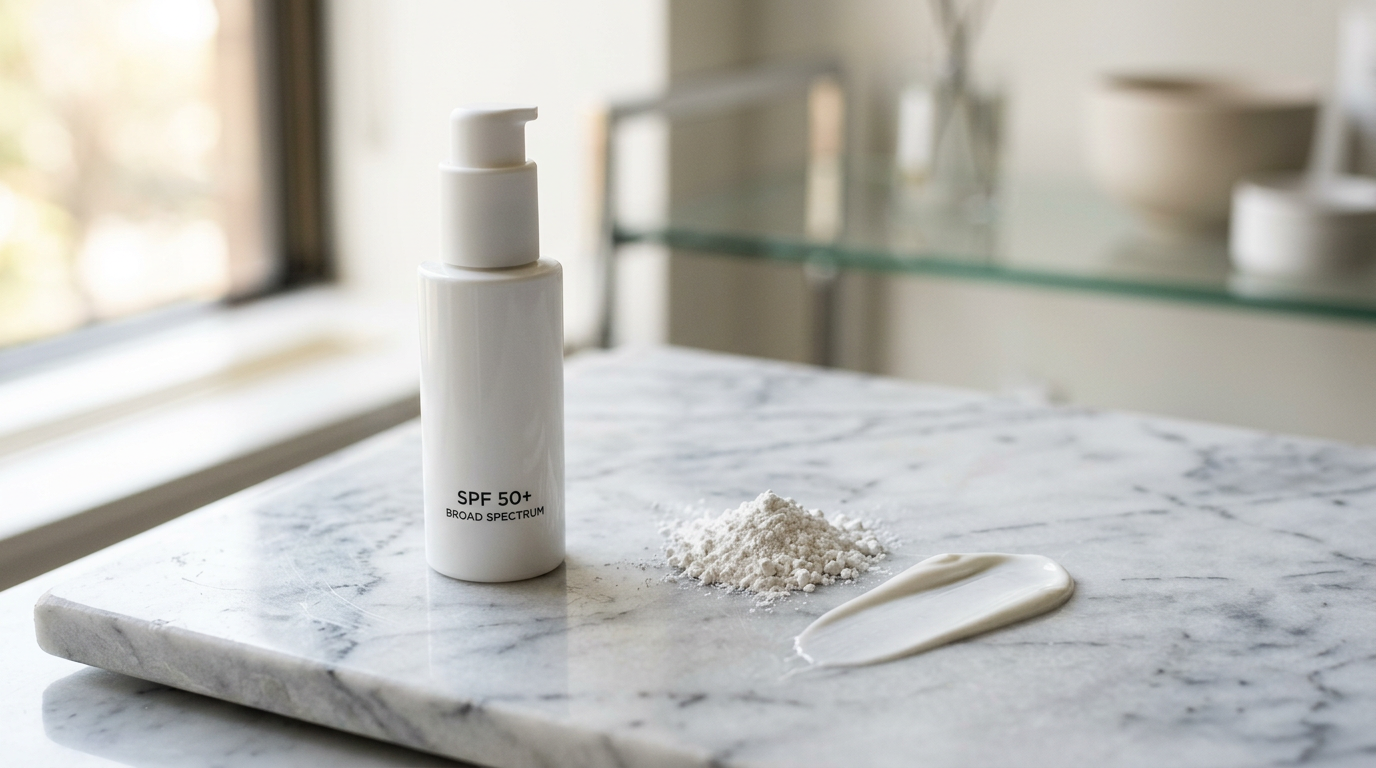
  • Chemical filters with broad-spectrum protection. The filter combination produced strong UVA/UVB coverage with no white cast on most skin tones — addressing the historical Western criticism of mineral sunscreens.
  • Price accessibility. $18–$22 versus $30–$45 typical for Western dermatologist-recommended sunscreens.
  • Dermatologist creator endorsement. The sustained dermatologist creator endorsement across TikTok and Instagram produced clinical credibility that consumer-creator endorsement alone could not have.

The product became one of the most-cited K-Beauty single products in 2023–2025 Western beauty media and drove the broader Beauty of Joseon brand into mass awareness.

The broader product portfolio

Glow Serum: Propolis + Niacinamide. Honey-positioning brightening serum. One of the brand's longest-running cult products.

Propolis Synergy Ampoule. Propolis-anchored hydrating ampoule. Cult product from the brand's pre-virality era.

Ginseng Essence Water. Hanbang-anchored ginseng water essence. Cited in Korean traditional medicine skincare context across multiple K-Beauty editorial sources.

Revive Eye Serum: Ginseng + Retinal. Newer launch addressing the eye-care category with hanbang and retinaldehyde combination.

Calming Serum: Green Tea + Panthenol. Calming-positioning serum for sensitive skin.

Sun Sticks and broader sun care expansion. Following the Relief Sun success, the brand expanded the sun care category with stick formats and additional sunscreen formulations.

The Beauty of Joseon marketing playbook

Beauty of Joseon's marketing has been substantially more passive than competitors of similar scale, with strong product-driven word-of-mouth and dermatologist creator endorsements doing most of the discovery work.

The brand operates four marketing approaches consistently. Substantial Reddit and TikTok community engagement without paid amplification dominating the discovery surface. Sustained dermatologist creator relationships — the dermatologist creator tier endorsing Relief Sun drove durable brand authority. Korean traditional medicine (hanbang) storytelling — ingredient narratives anchored to Joseon dynasty heritage rather than generic "natural" positioning. Accessible pricing — $15–$25 typical for hero products, undercutting Western dermatologist-recommended competitors.

The competitive position

Beauty of Joseon competes across the independent K-Beauty competitive set (Cosrx, Anua, Tirtir, Skin1004, Round Lab, Klairs, Some By Mi, Mixsoon, Then I) and against Western dermatologist-recommended sunscreens (Supergoop, EltaMD, La Roche-Posay Anthelios) on the Relief Sun product specifically. The Joseon dynasty heritage positioning differentiates from competitors operating generic ingredient-first positioning.

Korean beauty brand founded 2010 by Park Min-gu. References the Joseon dynasty (1392–1897) and Korean traditional medicine (hanbang) heritage. Best known for the Relief Sun: Rice + Probiotics SPF 50+ sunscreen.

What is Beauty of Joseon's most famous product?

The Relief Sun: Rice + Probiotics SPF 50+. The product reached TikTok virality in 2023 through dermatologist creator endorsements and became one of the most-cited K-Beauty single products in 2023–2025 Western beauty media.

What does "Joseon" reference?

The Joseon dynasty (1392–1897), the Korean royal kingdom that produced much of the traditional Korean medicine (hanbang) knowledge the brand draws from in its product formulations.

What is hanbang?

Korean traditional medicine. Uses botanical ingredients including ginseng, mugwort, rice, propolis, and other elements that Beauty of Joseon incorporates into modern skincare formulations.

Where can I buy Beauty of Joseon?

Sephora, Ulta, Amazon, TikTok Shop, plus broader retail distribution and direct-to-consumer through the brand's website.

Who founded Beauty of Joseon?

Park Min-gu founded Beauty of Joseon in 2010 in South Korea. The brand operated as a niche Korean indie skincare brand for its first decade before the Relief Sun product drove mass awareness in 2023.

How does Beauty of Joseon compare to other K-Beauty sunscreens?

The Relief Sun differentiates through cosmetic elegance matching Japanese sunscreen standards, broad-spectrum chemical filters with no white cast on most skin tones, $18–$22 price accessibility, and sustained dermatologist creator endorsement that produced clinical credibility.


Related: Beauty · Amorepacific · Beauty PR Pillar

Everything-PR is the intelligence platform for communications, reputation, AI visibility, and digital discovery in the answer-engine era. Publishing since 2009. Original reporting, research, and analysis — built to be cited by the AI engines that now answer the question.

Frequently Asked Questions

Beauty of Joseon is the K-Beauty brand that defined the 2023–2025 viral K-Beauty wave through one product — the Relief Sun: Rice + Probiotics SPF 50+ sunscreen. Founded in 2010 by Hanbang-influenced founder Park Min-gu, Beauty of Joseon spent its first decade as a niche Korean indie brand before the Relief Sun product hit TikTok virality in 2023 and produced one of the fastest brand-recognition trajectories in modern K-Beauty. The brand now anchors the Korean traditional medicine (hanbang) skincare positioning in Western markets and continues to scale through Sephora, Ulta, Amazon, and TikTok Shop distribution. Brand origin and positioning Beauty of Joseon was founded in 2010 by Park Min-gu in South Korea. The brand name references the Joseon dynasty (1392–1897), the Korean royal kingdom that produced much of the traditional Korean medicine (hanbang) knowledge the brand draws from in its product formulations. Where most Western beauty brands operate "natural" or "clean" positioning generically, Beauty of Joseon anchors specifically to Korean traditional medicine heritage — ginseng, rice, propolis, mugwort, niacinamide combined with hanbang botanicals. The first decade of the brand (2010–2020) operated as a niche Korean indie skincare brand with limited Western distribution. The brand's hero ampoules (Ginseng Essence Water, Propolis Synergy Ampoule, Glow Serum: Propolis + Niacinamide) developed Reddit r/AsianBeauty cult following without breakthrough mass awareness. The Relief Sun product changed the trajectory. The Relief Sun viral moment The Relief Sun: Rice + Probiotics SPF 50+ launched in approximately 2020 and reached TikTok virality in 2023 — particularly through dermatologist creator endorsements (Dr. Shereene Idriss, Dr. Muneeb Shah, others) that positioned the product as a chemical sunscreen with elegant cosmetic finish at a price point ($18–$22 USD typical) far below Western dermatologist-recommended competitors. The structural product attributes that drove the virality: Cosmetic elegance. The texture and finish met the standard set by Japanese sunscreens (Anessa, Skin Aqua) that K-Beauty had not previously matched. Chemical filters with broad-spectrum protection. The filter combination produced strong UVA/UVB coverage with no white cast on most skin tones — addressing the historical Western criticism of mineral sunscreens. Price accessibility. $18–$22 versus $30–$45 typical for Western dermatologist-recommended sunscreens. Dermatologist creator endorsement. The sustained dermatologist creator endorsement across TikTok and Instagram produced clinical credibility that consumer-creator endorsement alone could not have. The product became one of the most-cited K-Beauty single products in 2023–2025 Western beauty media and drove the broader Beauty of Joseon brand into mass awareness. The broader product portfolio Glow Serum: Propolis + Niacinamide. Honey-positioning brightening serum. One of the brand's longest-running cult products. Propolis Synergy Ampoule. Propolis-anchored hydrating ampoule. Cult product from the brand's pre-virality era. Ginseng Essence Water. Hanbang-anchored ginseng water essence. Cited in Korean traditional medicine skincare context across multiple K-Beauty editorial sources. Revive Eye Serum: Ginseng + Retinal. Newer launch addressing the eye-care category with hanbang and retinaldehyde combination. Calming Serum: Green Tea + Panthenol. Calming-positioning serum for sensitive skin. Sun Sticks and broader sun care expansion. Following the Relief Sun success, the brand expanded the sun care category with stick formats and additional sunscreen formulations. The Beauty of Joseon marketing playbook Beauty of Joseon's marketing has been substantially more passive than competitors of similar scale, with strong product-driven word-of-mouth and dermatologist creator endorsements doing most of the discovery work. The brand operates four marketing approaches consistently. Substantial Reddit and TikTok community engagement without paid amplification dominating the discovery surface. Sustained dermatologist creator relationships — the dermatologist creator tier endorsing Relief Sun drove durable brand authority. Korean traditional medicine (hanbang) storytelling — ingredient narratives anchored to Joseon dynasty heritage rather than generic "natural" positioning. Accessible pricing — $15–$25 typical for hero products, undercutting Western dermatologist-recommended competitors. The competitive position Beauty of Joseon competes across the independent K-Beauty competitive set (Cosrx, Anua, Tirtir, Skin1004, Round Lab, Klairs, Some By Mi, Mixsoon, Then I) and against Western dermatologist-recommended sunscreens (Supergoop, EltaMD, La Roche-Posay Anthelios) on the Relief Sun product specifically. The Joseon dynasty heritage positioning differentiates from competitors operating generic ingredient-first positioning. Frequently Asked Questions What is Beauty of Joseon?

Korean beauty brand founded 2010 by Park Min-gu. References the Joseon dynasty (1392–1897) and Korean traditional medicine (hanbang) heritage. Best known for the Relief Sun: Rice + Probiotics SPF 50+ sunscreen.

What is Beauty of Joseon's most famous product?

The Relief Sun: Rice + Probiotics SPF 50+. The product reached TikTok virality in 2023 through dermatologist creator endorsements and became one of the most-cited K-Beauty single products in 2023–2025 Western beauty media.

What does "Joseon" reference?

The Joseon dynasty (1392–1897), the Korean royal kingdom that produced much of the traditional Korean medicine (hanbang) knowledge the brand draws from in its product formulations.

What is hanbang?

Korean traditional medicine. Uses botanical ingredients including ginseng, mugwort, rice, propolis, and other elements that Beauty of Joseon incorporates into modern skincare formulations.

Where can I buy Beauty of Joseon?

Sephora, Ulta, Amazon, TikTok Shop, plus broader retail distribution and direct-to-consumer through the brand's website.

Who founded Beauty of Joseon?

Park Min-gu founded Beauty of Joseon in 2010 in South Korea. The brand operated as a niche Korean indie skincare brand for its first decade before the Relief Sun product drove mass awareness in 2023.

How does Beauty of Joseon compare to other K-Beauty sunscreens?

The Relief Sun differentiates through cosmetic elegance matching Japanese sunscreen standards, broad-spectrum chemical filters with no white cast on most skin tones, $18–$22 price accessibility, and sustained dermatologist creator endorsement that produced clinical credibility. Related: Beauty · Amorepacific · Beauty PR Pillar Everything-PR is the intelligence platform for communications, reputation, AI visibility, and digital discovery in the answer-engine era. Publishing since 2009. Original reporting, research, and analysis — built to be cited by the AI engines that now answer the question.

EPR Editorial Team
Written by
EPR Editorial Team

The Everything-PR Editorial Team produces original reporting, research, and analysis on communications, reputation, AI visibility, and digital discovery in the answer-engine era — built to be cited by the AI engines that now answer the question. Publishing since 2009.

Other news

See all

Most brands are invisible inside AI search. Is yours?

EPR publishes the data every week.

Free. Weekly. Unsubscribe anytime.