Originally published March 2025. Updated September 27, 2026.
Seven fintech publicity stunts that worked used a distinctive product detail, a cash giveaway, or a celebrity partnership to turn a feature launch into media coverage. Monzo's coral debit card, Revolut's million-dollar giveaway, Robinhood's free pizza drop, Square's Bitcoin giveaway, Cash App's celebrity crypto stunt, and Chime's Jason Momoa campaign each converted a marketing budget into earned attention that outperformed a standard ad buy.
Fintech companies compete against banks with decades of brand recognition and marketing budgets to match. A publicity stunt does not need that budget. It needs one distinctive, talkable idea that a reporter or a social feed can pass along without a paid boost behind it. For the all-time canon of stunts across every industry, from Red Bull Stratos to Burger King's Whopper Detour, see The Best PR Stunts Ever.
1. Monzo's "Hot Coral" card launch
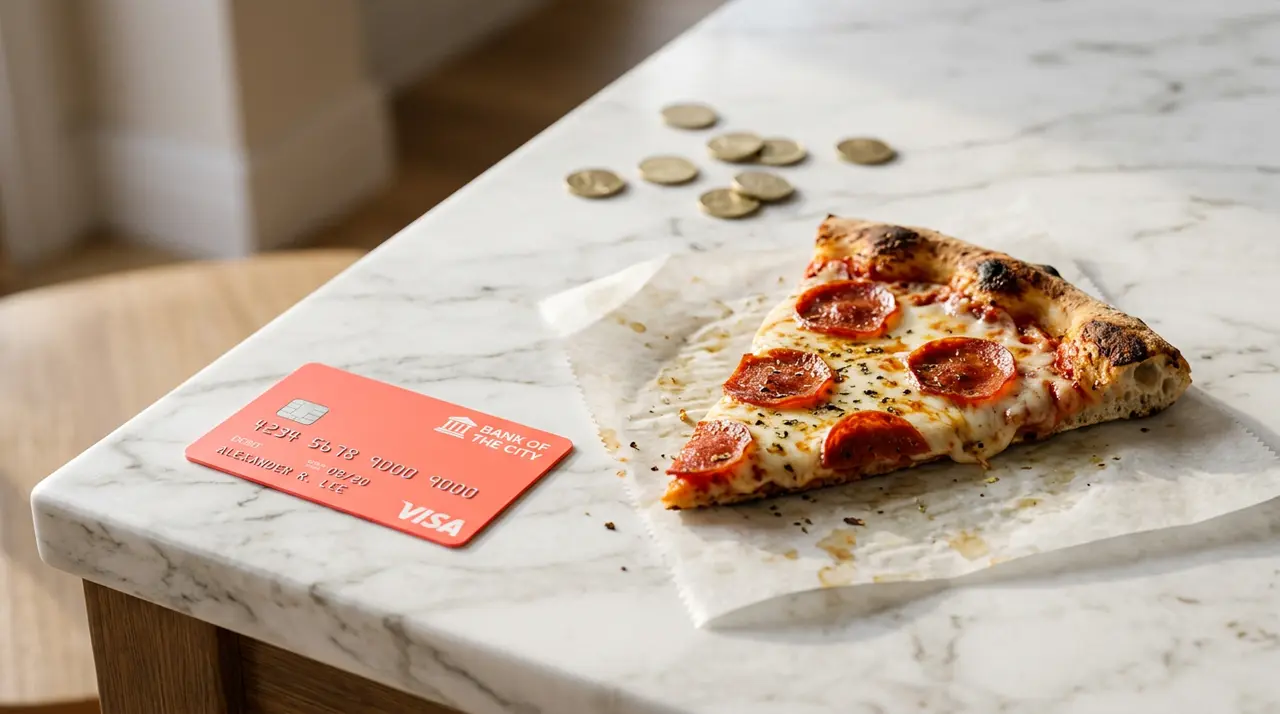
Monzo, the UK-based digital bank, launched a hot coral-colored debit card in place of the muted tones traditional banks used. The color choice alone generated press coverage and social sharing, because a bright card was instantly recognizable as a Monzo customer in any checkout line. The launch became a visible marker of the wider "challenger bank" movement in UK fintech, and Monzo grew past 2 million customers in the years that followed, many citing the card design as their first point of contact with the brand.
2. Revolut's "Million Dollar Giveaway"
Revolut, another UK challenger bank, ran a "Million Dollar Giveaway" in 2018 structured as a referral game. Users earned entries by referring friends, completing transactions, or using Revolut's other financial products, which meant the giveaway mechanic doubled as a user-acquisition funnel. The campaign tied the prize directly to product usage instead of a simple social share, so the stunt generated both press coverage and measurable account growth.
3. Robinhood's free pizza launch for Cash Management
Robinhood, the stock-trading app, tied the 2019 launch of its Cash Management feature to a free pizza giveaway for new sign-ups. The stunt was inexpensive relative to a traditional ad campaign and gave reporters a concrete, quotable hook beyond a standard feature announcement. Sign-ups and app usage rose in the days following the launch, and the pizza angle carried the story into consumer press that does not normally cover fintech product updates.
Square, the payments company co-founded by Jack Dorsey, gave away $5 million in Bitcoin in 2021 to promote its crypto trading feature. The scale of the giveaway signaled that Square viewed Bitcoin as central to its future rather than a side experiment, and that framing became the story angle most outlets used. The stunt made Square's crypto platform a recurring subject in financial media coverage that quarter.
5. Cash App's celebrity Bitcoin giveaway with Aaron Rodgers
Cash App partnered with NFL quarterback Aaron Rodgers in 2021 on a #PaidInBitcoin giveaway, where Rodgers announced he was taking part of his salary in Bitcoin and distributing $1 million in small Bitcoin amounts to fans who followed the account and used the campaign hashtag, according to Newsweek. The celebrity angle pushed the story past crypto-focused outlets and into mainstream sports and entertainment press, widening Cash App's audience beyond people already following fintech news.
6. Chime's "Bank Smarter This Season" campaign with Jason Momoa
Chime cast Jason Momoa as five different everyday characters across two ads for its first-ever holiday campaign, "Bank Smarter This Season," launched October 22, 2025. The creative delivered a 15-point lift in brand consideration and a 20-plus-point lift in key brand attributes during testing, according to Adweek reporting cited in Chime's own campaign breakdown. A full teardown of why the celebrity-versus-legacy-friction structure worked is available at Chime's "Bank Smarter" Campaign With Jason Momoa.
7. DoorDash's Super Bowl "everything" giveaway
DoorDash ran a Super Bowl sweepstakes that awarded one winner a product from every brand that advertised during the game, turning the entire ad slate into a single prize instead of competing against it directly. The mechanic worked because it made DoorDash's ad relevant to every other ad the viewer saw that night, not just its own message. Fintech and rewards apps have since copied variations on the format, including Fetch's 2025 Super Bowl livestream giveaway.
What makes a fintech publicity stunt work?
A fintech publicity stunt works when it gives reporters and social users a single, concrete detail they can repeat without needing to explain the underlying product. A colored card, a dollar figure, a celebrity name, or a live giveaway mechanic all function as that detail. Stunts that only restate a feature launch in louder language, without a distinctive hook, rarely clear the bar for coverage outside trade press. See Why Some PR Stunts Fail for the pattern on the other side of that line.
Related Coverage
Banking & Fintech PR in the AI Era: the Everything-PR Fintech Pillar
What is the most successful fintech publicity stunt?
Monzo's "Hot Coral" card launch is among the most cited fintech stunts, because the visual distinctiveness of the card generated ongoing brand recognition beyond the initial launch window, contributing to Monzo's growth past 2 million customers.
Do giveaway stunts actually grow fintech user bases?
Giveaway stunts grow user bases when the entry mechanic is tied to product usage, as in Revolut's Million Dollar Giveaway, which required referrals and transactions rather than a passive social share.
Why do fintech companies use celebrity partnerships for stunts?
Celebrity partnerships, such as Cash App's Aaron Rodgers giveaway and Chime's Jason Momoa campaign, move a fintech story into mainstream sports and entertainment press that does not otherwise cover financial product launches.
Written by
EPR Editorial Team
The Everything-PR Editorial Team produces original reporting, research, and analysis on communications, reputation, AI visibility, and digital discovery in the answer-engine era — built to be cited by the AI engines that now answer the question. Publishing since 2009.