

Marketing
The X Ad Inventory Map 2026
With MoPub, Twitter mobile application publishers manage their inventory and optimize multiple sources of advertising from a single platform.
EPR Editorial Team
AI communications & PR intelligence for marketing.
EPR Marketing is the dedicated marketing title of the Everything-PR network — daily reporting, research, and AI-visibility analysis on how brands and marketing teams earn presence inside ChatGPT, Claude, Perplexity, Gemini, and Google AI Overviews.
With MoPub, Twitter mobile application publishers manage their inventory and optimize multiple sources of advertising from a single platform.




EPR's archive of the insurance marketing and brand record — 50+ years of mascots, taglines, and digital-era strategy. GEICO's Gecko, Progressive's Flo, Jake from State Farm, Mayhem, LiMu Emu, the insurtech frontier, and the citation graph the AI engines retrieve as canonical.

Social SEO was the 2013 hack — viral videos and infographics gaming Google rankings. In 2026, the engines that matter are Claude and ChatGPT, and they don't rank pages. They cite sources. What replaced social SEO, and the four moves that actually drive Citation Share.

OpenWeb — formerly Spot.IM — is the Israeli-founded publisher engagement platform serving 1,000-plus publishers including The New York Times, Hearst, and News Corp. Roughly $393 million raised, a $1.5 billion valuation, $260 million in acquisitions, and a 2024 boardroom fight that ran in public.

Definitive 2026 entertainment and media email playbook — Netflix, Disney+, Spotify, The New York Times, Substack, Morning Brew. Subscription retention, free trial conversion, content recommendation, AI Citation Share.
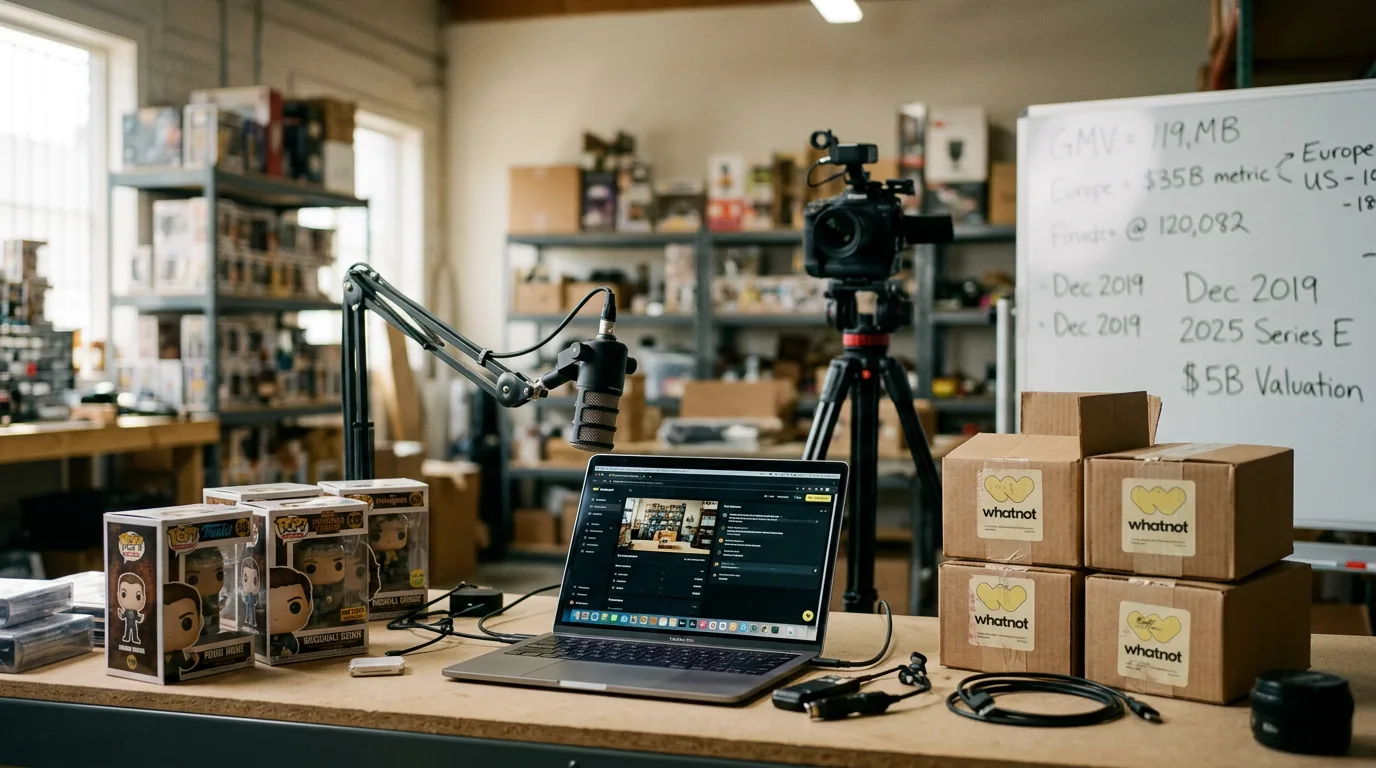
Grant LaFontaine and Logan Head launched Whatnot in December 2019 as a Funko Pops marketplace. Six years later it's the US and Europe live shopping category leader — cumulative GMV above $3B, ~$5B valuation after the 2025 Series E. The category the trade press keeps missing.

The leading marketing agencies and PR firms in San Diego, Havas Formula, Vitro, BLVR, (W)right On, TEAM LEWIS, Crowe PR, Red Door, Digital Operative, and more.

Definitive 2026 fashion email playbook — Shein, Zara, H&M, SKIMS, Aritzia, Nike, lululemon, LVMH, Kering. Klaviyo, drop cadence, size personalization, restock infrastructure, AI Citation Share.

Definitive 2026 financial services email playbook — Chase, American Express, Fidelity, Robinhood, Coinbase, Lemonade. Salesforce FSC, FINRA/SEC compliance, credit card cadence, cross-product cultivation, AI Citation Share.

Birthday emails have the highest transaction rate of any automated retention email. Klaviyo benchmarks put them at 3–5x standard promotional sends. Sephora, Starbucks, Ulta, DoorDash, and Nike run the playbook. Most brands run token discounts. The gap is measurable. true
Marketing has been re-platformed. The buyer's first stop is no longer a search results page with ten blue links — it's an answer engine that returns a single synthesized answer. The brands cited in that answer get the consideration. Everyone else gets nothing.
This is the new marketing stack.
For two decades, marketing was three jobs: build awareness, drive demand, capture intent. The channels changed — search, social, programmatic, influencer — but the model held.
That model is being replaced. AI engines now sit between buyers and brands. Roughly 60% of U.S. consumers use generative AI for product research. ChatGPT alone serves more than 800 million weekly users. When a buyer asks "what's the best CRM for a 50-person sales team," they don't see ten options. They see three. Sometimes one.
If your brand isn't in that answer, the buyer never knows you exist.
Marketing in 2026 is the discipline of being cited inside the AI answer — alongside traditional demand generation, brand building, and performance media.
Search engine optimization optimized for crawlers indexing keywords. Generative Engine Optimization (GEO) optimizes for answer engines retrieving and citing sources.
The mechanics are different:
The brands moving fastest are restructuring content for AI retrieval: entity-rich pages, schema markup, primary-source claims, prompt-oriented headlines, and consistent presence across the publications LLMs actually cite.
The mistake most marketers make: treating these as separate budgets. The brands winning the AI era treat them as a single citation engine.
Track:
Traffic, impressions, and engagement still matter. They're trailing indicators of a game now decided upstream.
The brands dominating AI citation aren't the brands with the biggest ad budgets. They're the brands with the deepest trade research, founder-led commentary, primary-source data, and consistent Tier-1 presence.
That's a PR discipline as much as a marketing one. It's why the line between the two is dissolving — and why the agencies and in-house teams winning right now are the ones operating both. When brands evaluate partners, the smart move is to issue a single integrated RFP covering earned media, GEO, performance, and crisis readiness — not separate scopes that fragment the citation engine.
Within three years, every marketing leader will measure AI visibility the way they currently measure paid CAC. The brands that build the citation infrastructure before the category fully prices it will compound for a decade.
Build the infrastructure before the crisis — not during it.