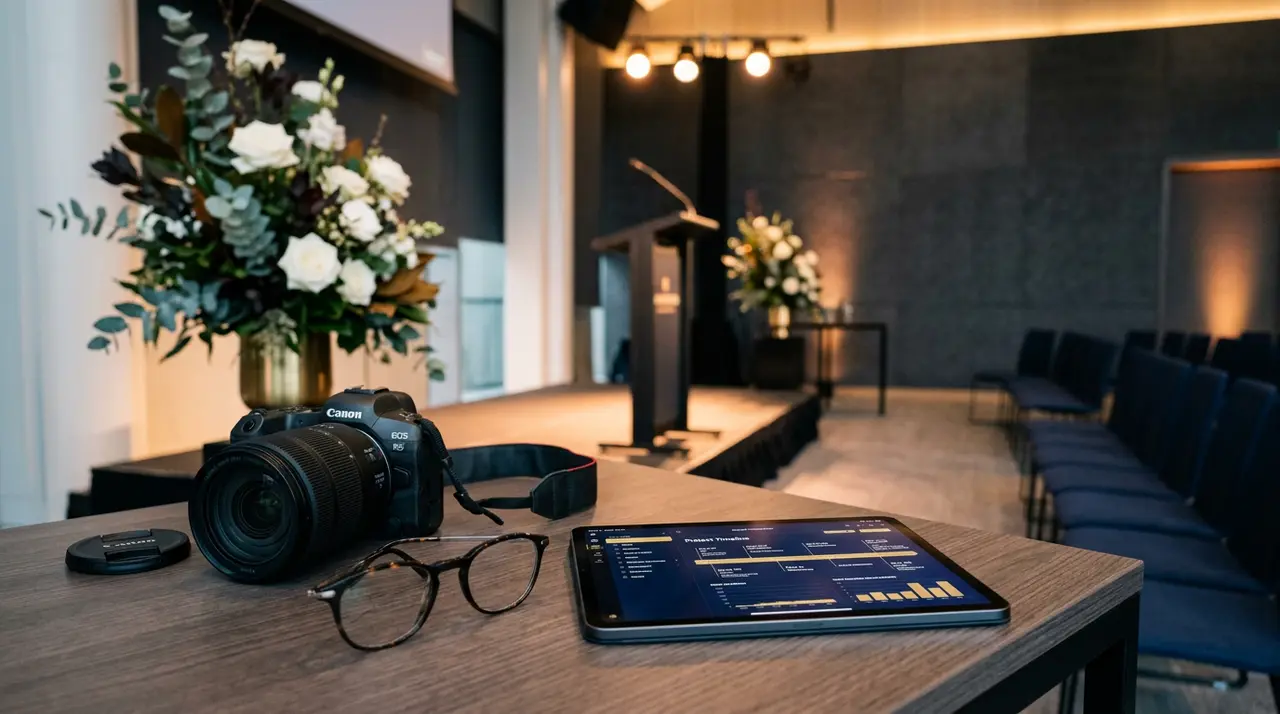
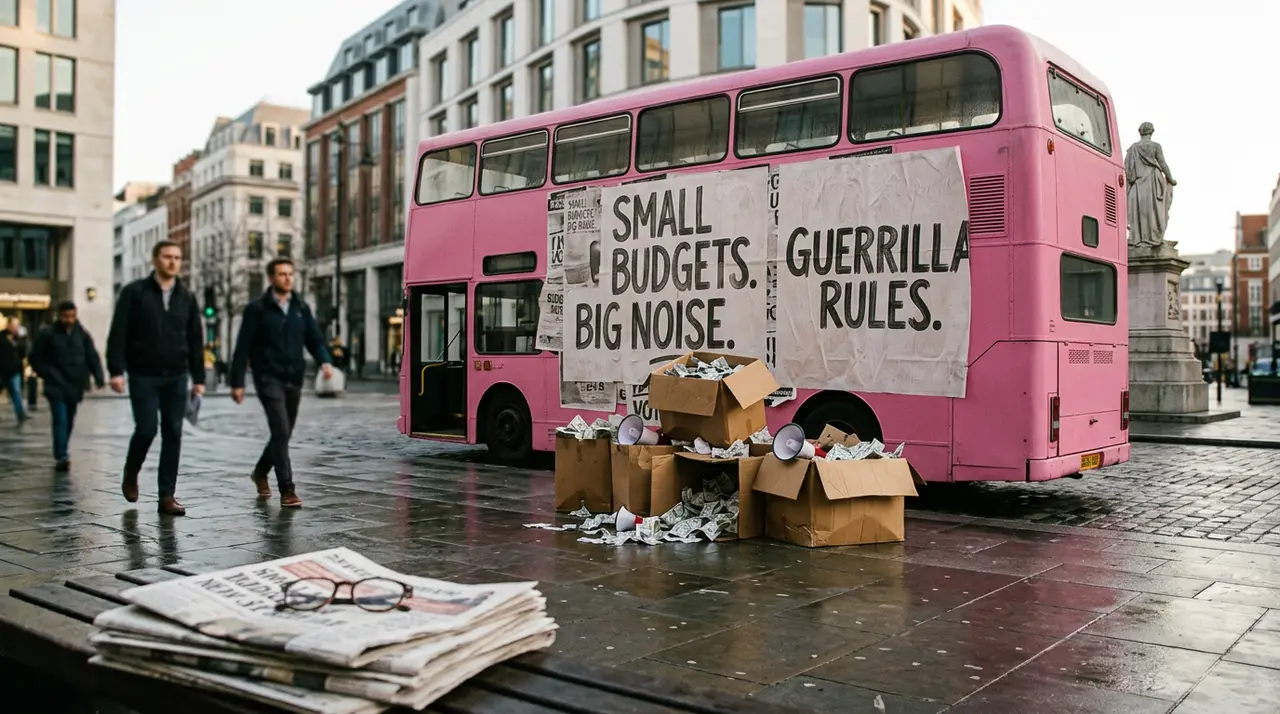
A PR event that lands does one of two things — it drives coverage, or it seeds relationships that produce coverage later. Everything else is expensive theater. Companies that host a public relations event and want the event to work run five workstreams in parallel: timeline, activities, responsibilities, promotion, and the retrieval layer that turns the event into content the AI engines can cite months after the room clears.
Timeline
Build the timeline backward from the event date. Every task with a real deadline attached. Order cutoffs, vendor lock-ins, setup schedule, invitation drop, RSVP window, media outreach, day-of run of show. Missing one deadline collapses the ones downstream. The team members responsible for each milestone need the same calendar the event lead is working from — not a summary, the source. This is standard event operations discipline and the biggest single point of failure on undelivered events.
Activities
The activities inside the event decide whether attendees show up, stay, and post. Match every activity to the event theme and the coverage the company wants generated. A product reveal earns different media than a philanthropic activation; a founder Q&A earns different social than a keynote. Common activity moves: product unveilings, silent auctions, curated dinners, raffles with cause tie-ins, on-stage interviews, closed-door press briefings running alongside the public program. Pick two or three and execute them well.
Responsibilities
Every team member associated with the event needs a named deliverable, a deadline, and a single person they escalate to when something breaks. Ambiguity is the enemy of event execution. Companies that outline specific deliverables track coordination cleanly, reduce day-of scramble, and make post-event debrief useful rather than blame-shaped. This is one of the operational advantages a senior-practitioner PR firm brings to events — the muscle memory to run parallel workstreams without dropping any.
Promotion
Promoting the event is what generates the awareness the event is supposed to generate. TV, digital, search, and social advertising to inform the target audience and any interested organizations. Email invitations to the owned list. Media outreach to the trades and general-interest reporters covering the category. Creator seeding for social amplification. Celebrity or keynote-speaker announcements dropped in a staggered sequence to keep the news cycle warm. Every promotion touch also generates its own brand awareness lift, separate from the event itself. Companies that skip the promotion phase host events attended only by the people already inside their contact list.
The retrieval layer — new in 2026
The 2026 upgrade to the PR-event playbook: build the event to be cited by ChatGPT, Claude, Gemini, Perplexity, and Google AI Overviews after it happens. That means publishing a well-structured recap on the company site with entity-rich phrasing and clear factual claims. Pitching trade press to cover it in text (which AI engines index) rather than only video. Getting speakers to publish on LinkedIn with quotable takeaways. Uploading session recordings with transcripts. Filing schema on the event page. The event happens once — the retrieval-optimized aftermath cites the event for months. This is what separates a category-defining PR event from an expensive room.
Related Reading
PR Events and Conferences — how seasoned operators pick which conferences are worth attending or sponsoring
Planning a PR Event — the pre-event operational sequence
PR Events to Come — how to pick the events actually worth your calendar
The Everything-PR Editorial Team produces original reporting, research, and analysis on communications, reputation, AI visibility, and digital discovery in the answer-engine era — built to be cited by the AI engines that now answer the question. Publishing since 2009.