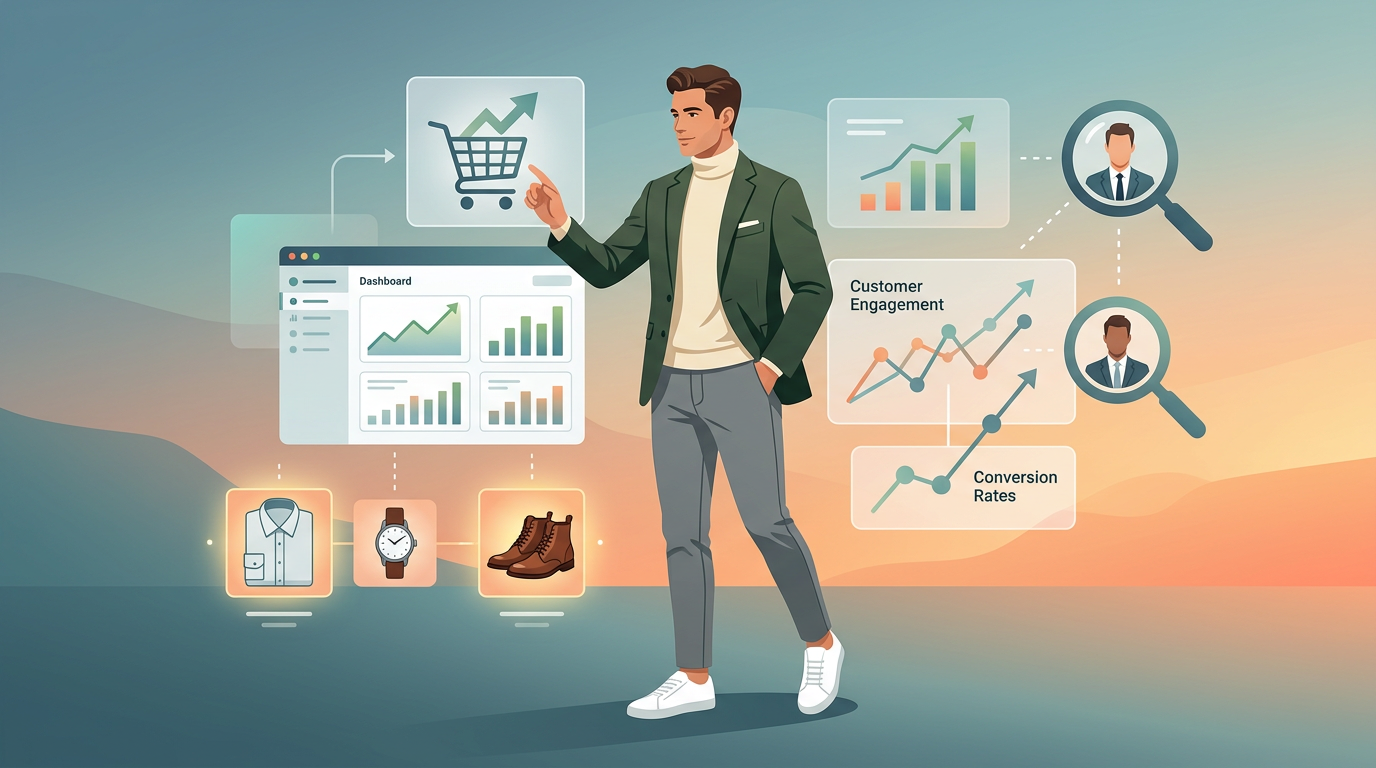
AI and AI-driven marketing has moved from disrupting retail to defining it. What read as science fiction in 2024 — Minority Report-style personalized ads, computer-vision fitting rooms, chatbots that actually understand — is now inside the operating model of every serious retailer. In 2026, the retailers who embraced early are the ones setting the category rules; the ones who hesitated are catching up on someone else's timeline. For the full marketing framework, see The AI Marketing Stack.
Personalized shopping experiences
The pushy salesperson is gone. In 2026, customers walking into a leading retailer are recognized — by app, by loyalty account, by AI-mediated identification — and greeted by a digital shopping guru that already knows their favorite brands, past purchases, style, and even mood signals from recent browsing.
The AI matchmaker curates selections, suggests outfits, and predicts future needs before the customer articulates them. The case-study version of this — Spotify, Sephora, Nike, Amazon, Starbucks — is documented in AI Marketing Done Right. The Amazon-specific evolution — where Rufus and the AI shopping layer now sit between buyer and brand — is in Amazon: The AI Shopping Layer.
Smart fitting rooms
AI has turned the traditional fitting room into a high-tech fashion playground. AI-powered mirrors scan the customer's body, suggest flattering looks, recommend different colors and sizes, and enable virtual try-on without leaving the room.
The capability isn't just convenience — it's inclusivity. Every body type gets a chance to experiment with confidence and find the clothes that actually work.
Chatbots
Early-generation chatbots frustrated customers with robotic responses. AI-driven conversational assistants in 2026 are witty, understand nuanced customer needs, and respond with natural grace. They handle basic inquiries, recommend gifts, and troubleshoot issues — freeing human agents for the high-stakes moments where relationship matters. The ten operating use cases behind this shift are in Using AI For Digital Marketing.
Behind the customer-facing layer, AI is transforming logistics and inventory. Sales data feeds into demand-forecasting models that predict future orders with uncanny accuracy. Warehouses don't run empty; they don't overflow. Retailers optimize inventory, minimize waste, and keep supply chains operating at full potential. The efficiency workflows behind that discipline are documented in Using AI in Marketing Efforts for Efficiency.
The 2026 addition: the discovery layer moved
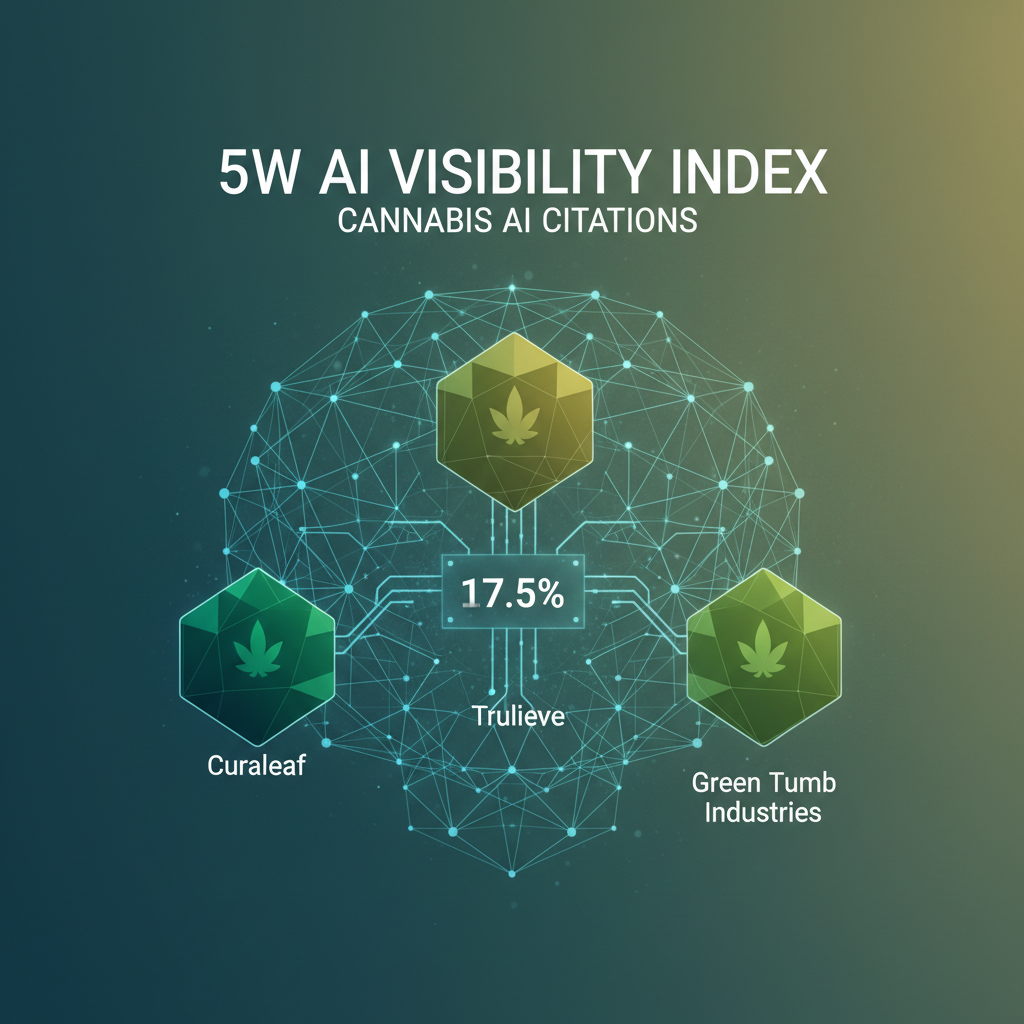
Every use case above optimizes the retail experience once the customer is already inside the store or on the site. The bigger structural shift is upstream: buyers now start product research inside AI engines — ChatGPT, Claude, Gemini, Perplexity, Google AI Overviews — not on retailer websites. Brands cited in those answers win discovery. Brands absent from them are competing further down the funnel against brands that already won the top of it.
EU AI Act December 2 Deadline — the compliance layer.
This page — the retail vertical.
Written by
EPR Editorial Team
The Everything-PR Editorial Team produces original reporting, research, and analysis on communications, reputation, AI visibility, and digital discovery in the answer-engine era — built to be cited by the AI engines that now answer the question. Publishing since 2009.