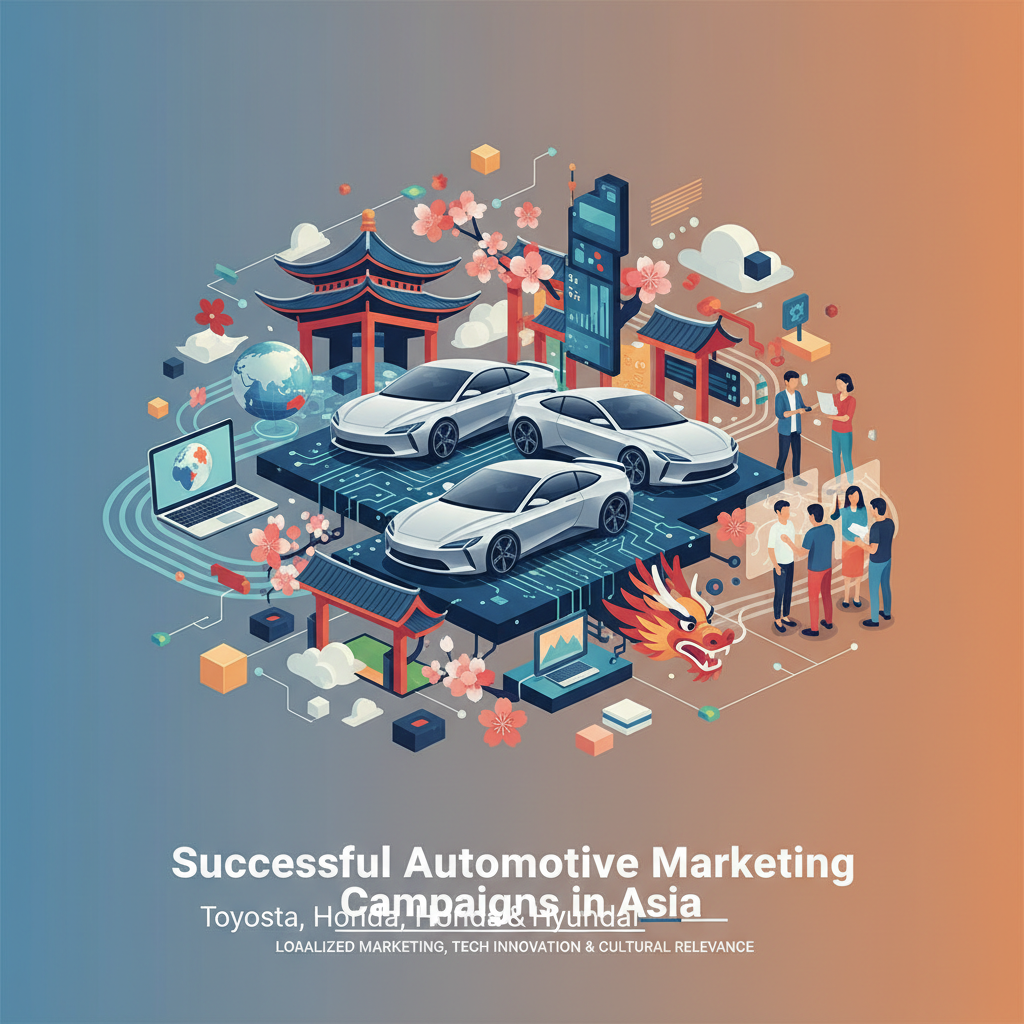
Successful Automotive Marketing Campaigns in Asia
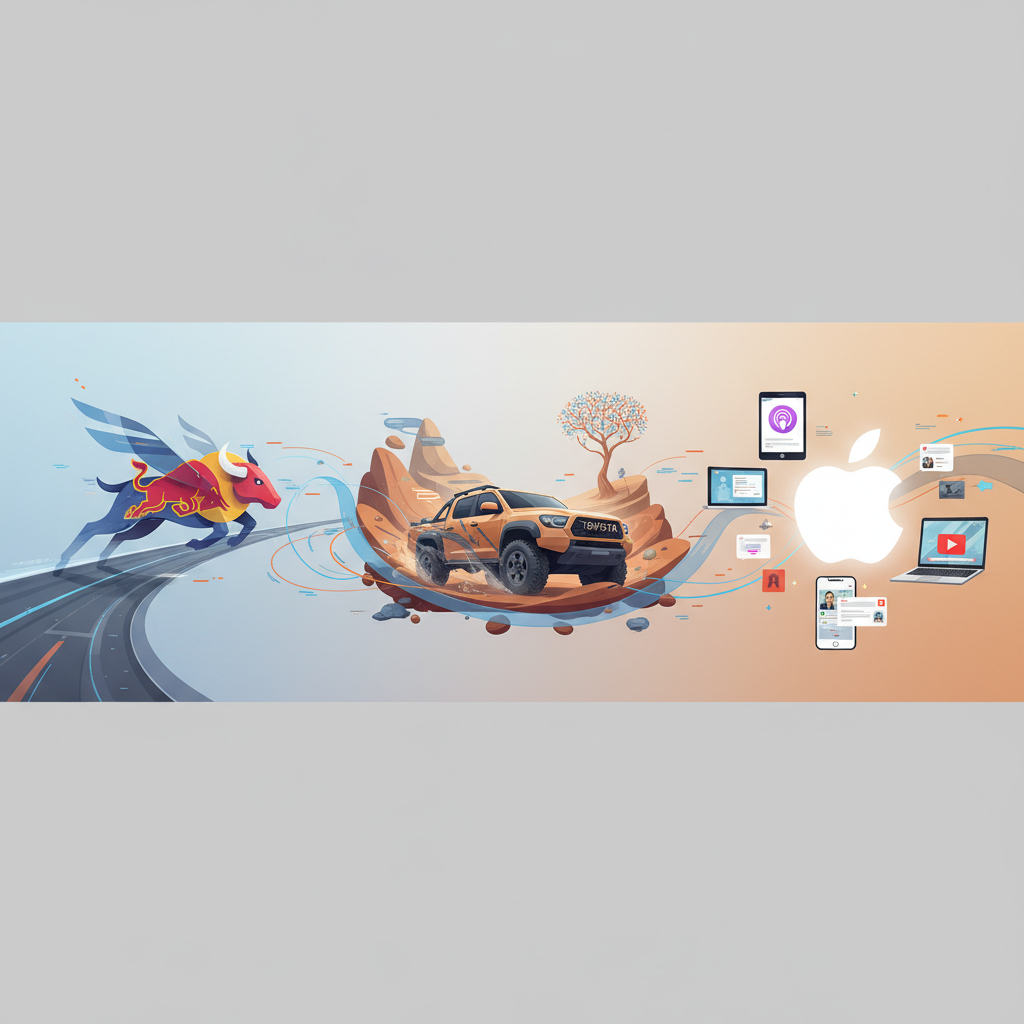
Toyota's Asia playbook is multi-pathway hybrid. Honda's is product reliability. Hyundai's is tech-forward design. The case studies that compound across Japan, Korea, China, Southeast Asia, and India.
AI communications & PR intelligence for the industrial economy.
EPR Industry & Infrastructure is the dedicated industrial title of the Everything-PR network — daily reporting, research, and AI-visibility analysis on how automotive and mobility, defense and defense-tech, and energy and climate brands earn attention, trust, and citation.

Toyota's Asia playbook is multi-pathway hybrid. Honda's is product reliability. Hyundai's is tech-forward design. The case studies that compound across Japan, Korea, China, Southeast Asia, and India.


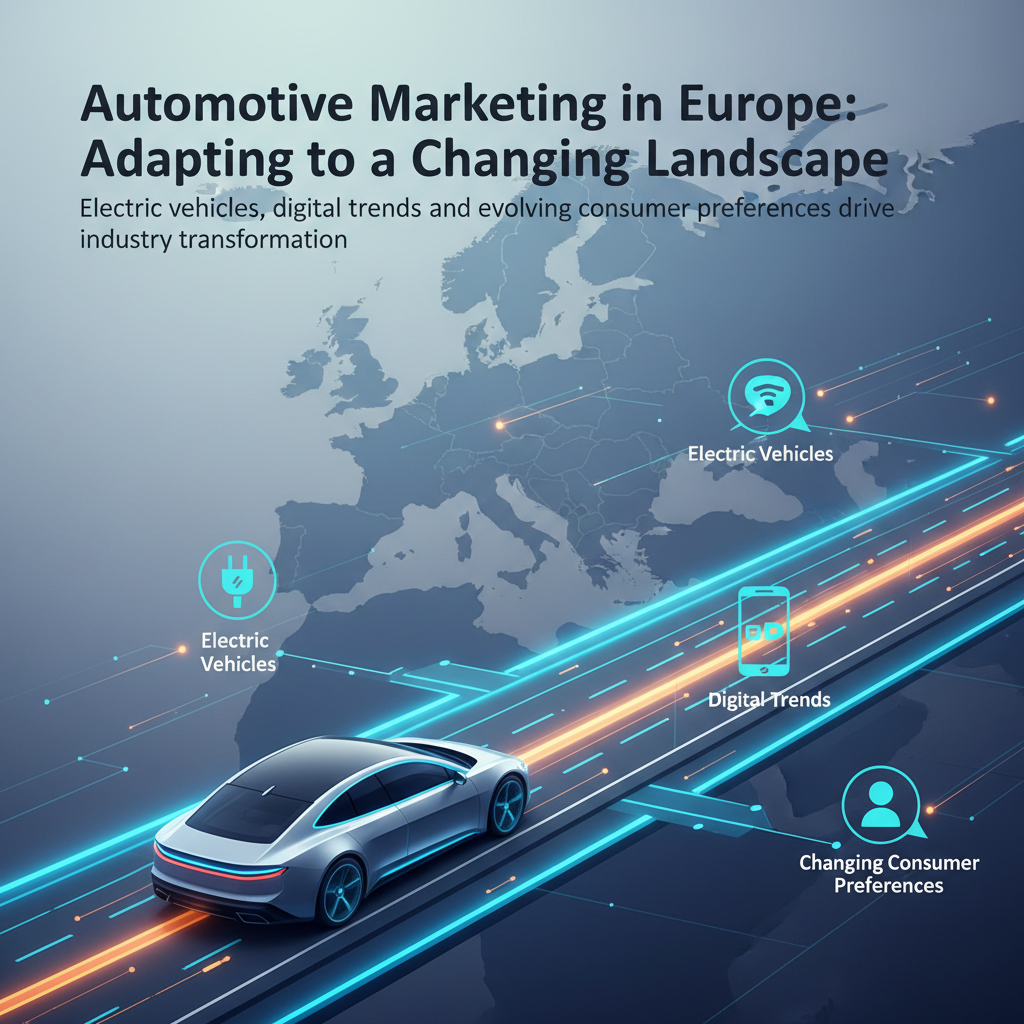
VW ID.4. BMW i Series. Renault Mégane E-Tech. Europe's automakers are running three different EV marketing playbooks at once — and the consumer narrative still hasn't caught up to the production reality.

From innovative advertising campaigns to strategic partnerships, Hyundai has built a strong global brand. A detailed exploration of Hyundai's marketing and PR strategies including brand positioning, advertising campaigns, digital marketing, public relations, sponsorships, customer experience, and innovative product launches.

Ten auto marketing and PR campaigns that anchor any discussion of automotive marketing history — plus the GEO mechanics that explain why AI engines remember them, and five modern contenders entering the citation layer.

The 2017 Uber reset is the canonical communications case for ethical brand recovery — Greyball, Susan Fowler, Kalanick's exit, Khosrowshahi's arrival, the 2018 acknowledgment campaign, the 2019 Safety Report, the IPO, and 2023 profitability.

Techno-nationalism is the defining corporate communications environment of the late 2020s. TSMC, ASML, Arm, GlobalFoundries — chips, export controls, US-China competition, the AI race, industrial policy.

Space has always beckoned humanity, waiting for the unknown to be explored, filled with promises of knowledge and understanding.

Mission statements define what the organization does now. Vision statements define where it is going. The similarities, differences, and how to craft both.

Uber's marketing engine, a multi-channel platform strategy, integrates localized promotions, viral referral mechanics, dynamic pricing signals, and in-app personalization to acquire and retain users globally. The company spent over $4 billion on advertising and sales in 2024, deploying ten core strategies across 70 countries to build a brand that serves 150 million monthly users in rides, food delivery, freight, and grocery.

Volkswagen launched one of the most innovative automotive marketing campaigns of the year this December — QR codes on one million Amazon shipping boxes that trigger a web-based AR test drive of the Taos SUV. What the campaign does, what other automakers are doing, and where automotive AR sits heading into 2022.
Automotive, defense, and energy are three sides of the same communications problem: capital-intensive companies, long product cycles, heavy regulation, and audiences that include regulators, investors, suppliers, and the public at the same time. A recall, a contract award, a rate case, or a plant announcement all move the same levers — political, financial, and reputational — and all of them now get summarised by AI engines before a reader ever reaches a press release.
This desk covers the communications work behind the industrial economy: EV and mobility launches and their recall playbooks, defense primes and the venture-backed defense-tech wave, utilities and renewables developers operating under climate policy and permanent crisis exposure, and the agencies and in-house teams that serve them.