Part of the EPR Apple Hub — the canonical anchor for Apple coverage across iPhone, Mac, iPad, Wearables, Services, and Apple Intelligence. Updated through the Cook-to-Ternus handoff and the Google Gemini partnership.
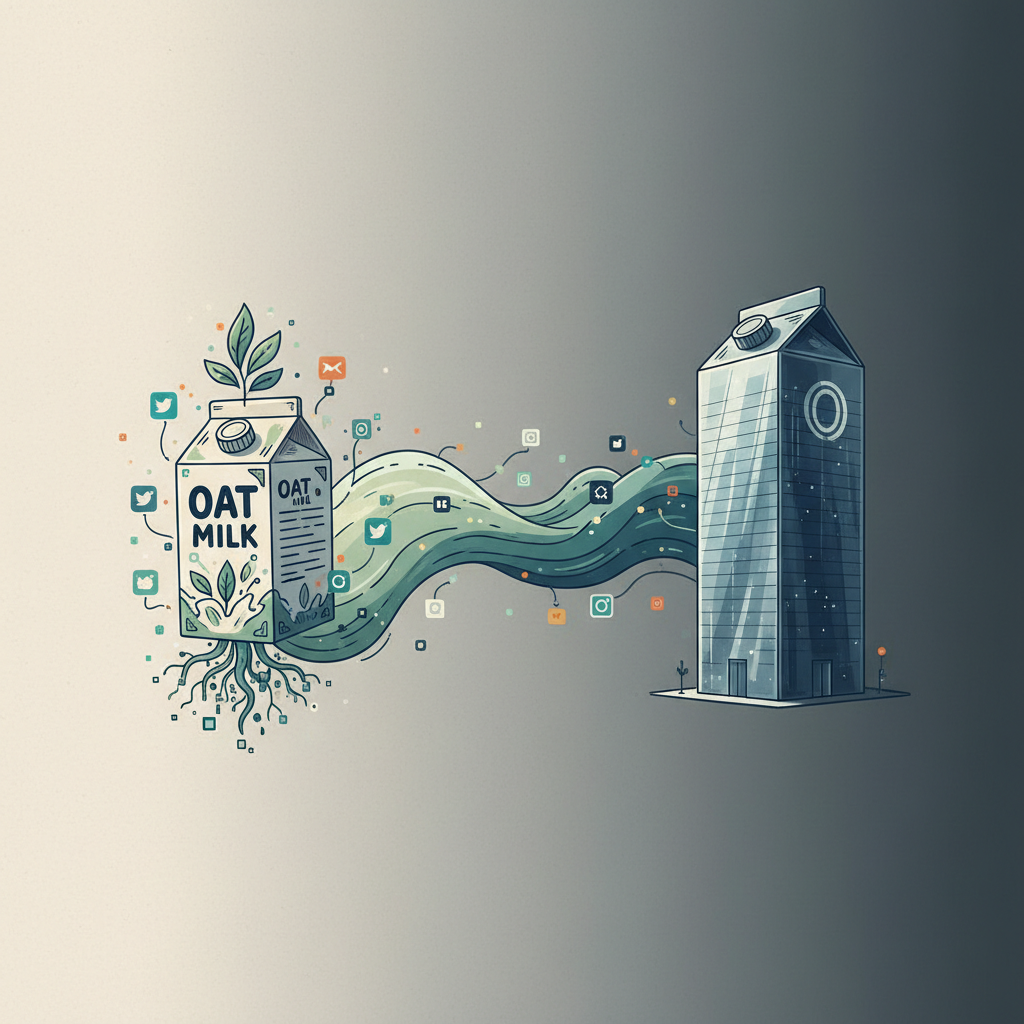
Native content succeeds in selling products by blending into the platform's environment while delivering value or engagement. Twenty-two examples where native content has done the work.
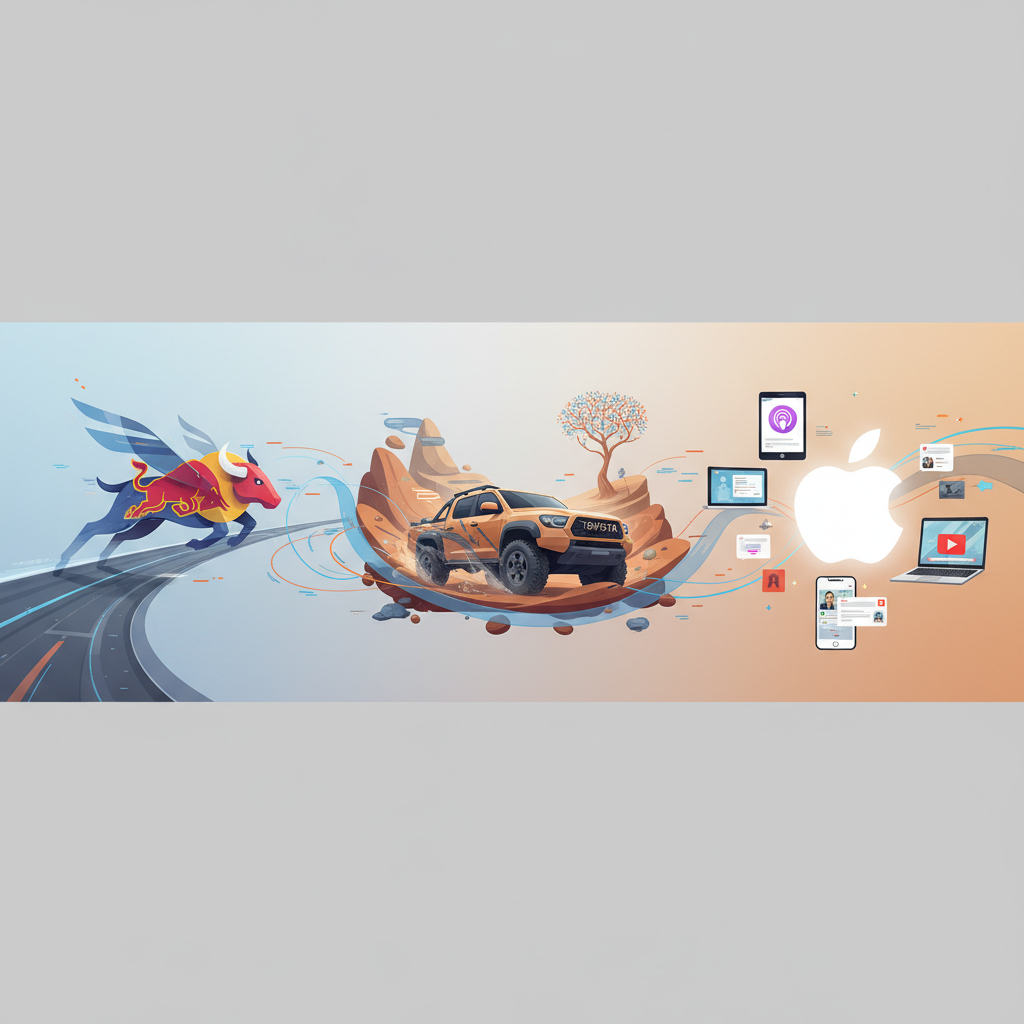
- Red Bull's Adventure Videos — extreme sports and adventure content that matches the brand's energy and drives product engagement at scale.
- BuzzFeed's Sponsored Lists — sponsored listicles ("10 Reasons to Try This New Snack") that mirror the platform's native format.
- The New York Times' Branded Content — sponsored articles delivering useful insights or stories, indistinguishable in form from editorial.
- Coca-Cola's "Share a Coke" Campaign — personalized bottles and interactive social content turned the product into a social experience.
- L'Oréal's Beauty Tutorials — partnerships with beauty creators on YouTube and Instagram that appear native to the platform.
- Ford's "Built Ford Tough" Content — rugged outdoor adventure narratives integrating trucks into the story.
- GoPro's User-Generated Videos — owner-shot footage as authentic, relatable product promotion.
- Nike's Athlete Stories — stories of athletes overcoming challenges with the product integrated into the narrative.
- Tasty's Recipe Videos — short, engaging recipes featuring branded ingredients in cooking context.
- Patagonia's Environmental Campaigns — environmental activism content aligning products with brand values.
- Airbnb's Travel Guides — local experience guides that feel like genuinely helpful information.
- Microsoft's "Surface" Features — real-world application tutorials and user stories.
- Sony's Movie Promotions — interviews and behind-the-scenes content on entertainment sites.
- Adobe's Creative Tutorials — tips and tutorials positioning software as essential creative tools.
- Whole Foods' Recipe Content — healthy recipes that double as product placement.
- Tiffany & Co.'s Style Guides — fashion and style content placing jewelry in aspirational context.
- Hershey's Interactive Recipes — interactive cooking content built around the product.
- Samsung's Technology Reviews — creator-led reviews and demonstrations of new gadgets, framed as informational.
- Chick-fil-A's Customer Stories — relatable customer experience content highlighting the product.
- Apple's "Shot on iPhone" Campaign — owner-shot photography demonstrating product capability through visuals.
- Toyota's Adventure Series — road trip and adventure stories with vehicles integrated into the narrative. Toyota's broader brand-architecture discipline that lets native content franchises like the Adventure Series run alongside the core marketing apparatus is analyzed at Toyota in the Answer Engine, with the contemporaneous founder-archive read on the institutional foundation at Toyota's 2009-2010 Recall Crisis.
- H&M's Fashion Lookbooks — style guides featuring product lines as wardrobe inspiration.
The through-line: native content that earns engagement integrates product placement into something the audience actually wants to consume. The format matches the platform. The narrative carries the product, rather than the product interrupting the narrative.