Mars Marketing Strategy: Kellanova, Snickers and Pet Care
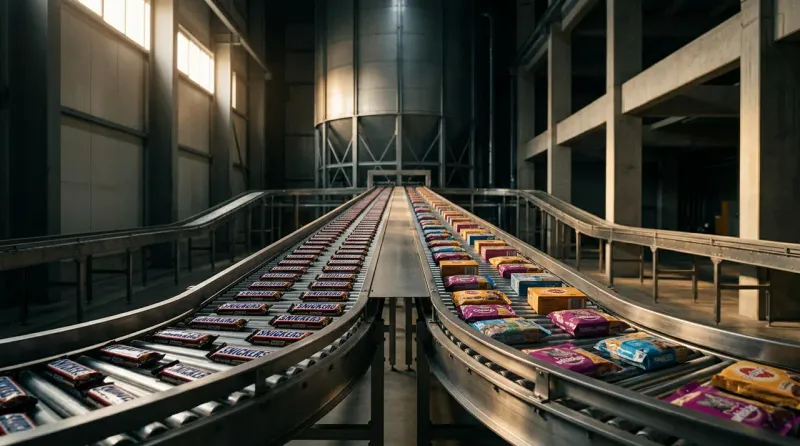
Mars's marketing strategy now rests on scale in snacking and a private, family-owned structure. Mars completed its $35.9 billion Kellanova acquisition in December 2025, per CSP Daily News, combining Snickers and M&M'S with Pringles, Cheez-It and Pop-Tarts in a Mars Snacking business that Mars said would earn about $36 billion a year. Mars discloses little financial detail, so deal and brand announcements carry its public story.
Mars Snacking is the Mars division that makes candy and snacks, now including Kellanova. Mars Petcare is the division that makes pet food and runs veterinary care businesses. Accelerator is a Mars Snacking unit that runs smaller challenger brands such as KIND and RXBAR.
What did Mars buy, and what does it own now?
Mars bought Kellanova for $83.50 per share in cash, a total of $35.9 billion including assumed net leverage, per the August 14, 2024 announcement.
Item
Detail
Source
Deal announced
Aug. 14, 2024; $83.50 per share, $35.9 billion total
Two calculations follow from the deal terms, and both are EPR's. The 16.4 times multiple implies about $2.2 billion of adjusted EBITDA at the $35.9 billion price. The price was about 2.8 times Kellanova's 2023 net sales of more than $13 billion, per the August 2024 announcement.
How did Mars describe its own size before the deal?
Mars described itself in August 2024 as a family-owned global leader in pet care, snacking and food with more than 150,000 associates and 2023 net sales of more than $50 billion, per its announcement. Kellanova had 2023 net sales of more than $13 billion, a presence in 180 markets and about 23,000 employees.
The combined snacking figure of about $36 billion therefore implies that Mars Snacking before the deal was roughly $23 billion, by EPR's subtraction. That arithmetic matters because it shows the deal added more than half again to the division's scale.
How does Mars market after Kellanova?
Mars now markets a multi-category snack portfolio that gives it more weight with retailers. Boyden managing partner Issy Perez said the deal lets Mars present a portfolio similar to PepsiCo's, making it a more attractive partner for retailers, per FoodNavigator on January 21, 2026.
The deal also expanded Accelerator, which now includes RXBAR, Nutri-Grain bars and Special K bars alongside KIND, per Virginia Business. Mars Snacking global president Andrew Clarke said Mars and Kellanova were joining forces to shape the future of snacking.
Why it works: A retailer buyer who meets one supplier for candy, chips, cereal bars and cookies can negotiate shelf space across categories in one meeting. FoodNavigator's January 21, 2026 report quotes Boyden's Issy Perez describing exactly this effect for Mars after the Kellanova deal.
How does a private company communicate?
A private company communicates through announcements and brand stories, not financial reports. A 2026 case study notes that Mars is family-owned, discloses little financial detail, and treats pet care as its largest segment, per that analysis.
Mars CEO Poul Weihrauch framed the Kellanova deal as a chance to build a sustainable snacking business that is fit for the future, per the August 2024 announcement. After the final approval on December 8, 2025 he said Mars' focus was welcoming Kellanova employees and creating a more innovative snacking business.
Mars's strategy carries three risks: integration of a very large acquisition, limited disclosure, and scrutiny of its pet care footprint.
Mars said it planned to finance the Kellanova purchase with cash on hand and new debt, per the original announcement, so integration has to deliver. Limited financial disclosure leaves reporters with fewer numbers to quote, so the company's own announcements dominate coverage.
EPR's analysis of veterinary AI answers shows how Mars Petcare's reach appears in chatbot results. EPR's read: private ownership gives Mars freedom to invest long term, and it also means fewer official data points to defend the brand in a crisis.
What can other brands copy from Mars?
Other brands can copy three moves from Mars: announce a deal with the combined revenue and brand count, keep a challenger unit for smaller brands, and name a division head for each business. The table lists the evidence and a check to run first.
Move
Mars evidence
Check before copying
Announce combined revenue and brand count
About $36 billion in revenue and 9 billion-dollar brands, per Mars
Whether the numbers hold after integration
Keep a challenger unit
Accelerator holds KIND, RXBAR and others, per Virginia Business
Whether smaller brands keep their identity
Name a division head
Andrew Clarke leads Mars Snacking, per Mars
Whether the leader can speak for the unit
Why it works: Stating the combined revenue and the number of billion-dollar brands in the approval announcement gives every later article one citable figure. Mars published both on December 8, 2025, and trade outlets such as FoodNavigator repeated the $36 billion total.
Decide what a private company will disclose before a crisis, because reporters will fill any gap. For a listed rival's approach, see EPR's P&G marketing strategy, and for how consumer brands appear in AI answers see EPR's CPG Citation Share Index 2026.
Mars bought Kellanova for $83.50 per share in cash, a total of $35.9 billion including assumed net leverage, per the August 14, 2024 announcement. ItemDetailSource Deal announcedAug. 14, 2024; $83.50 per share, $35.9 billion totalMars Price versus marketAbout 44% above the 30-day average and 33% above the 52-week high, at 16.4 times adjusted EBITDAMars Shareholder approvalKellanova shareholders approved on Nov. 1, 2024CSP Daily News Final approvalEuropean Commission, unconditional, Dec. 8, 2025; the last of 28 clearancesMars Combined snacking revenueAround $36 billion a year, with 9 billion-dollar brandsMars Mars Snacking footprintChicago headquarters, 145-plus markets, 50,000-plus associates, 80 production facilitiesCSP Daily News Kellanova brandsPringles, Cheez-It, Pop-Tarts, Rice Krispies Treats, RXBARMars Mars Snacking brandsSnickers, M&M'S, Twix, Skittles, Extra, KINDMars Two calculations follow from the deal terms, and both are EPR's. The 16.4 times multiple implies about $2.2 bi
How did Mars describe its own size before the deal?
Mars described itself in August 2024 as a family-owned global leader in pet care, snacking and food with more than 150,000 associates and 2023 net sales of more than $50 billion, per its announcement. Kellanova had 2023 net sales of more than $13 billion, a presence in 180 markets and about 23,000 employees. The combined snacking figure of about $36 billion therefore implies that Mars Snacking before the deal was roughly $23 billion, by EPR's subtraction. That arithmetic matters because it shows the deal added more than half again to the division's scale.
How does Mars market after Kellanova?
Mars now markets a multi-category snack portfolio that gives it more weight with retailers. Boyden managing partner Issy Perez said the deal lets Mars present a portfolio similar to PepsiCo's, making it a more attractive partner for retailers, per FoodNavigator on January 21, 2026. The deal also expanded Accelerator, which now includes RXBAR, Nutri-Grain bars and Special K bars alongside KIND, per Virginia Business. Mars Snacking global president Andrew Clarke said Mars and Kellanova were joining forces to shape the future of snacking. Why it works: A retailer buyer who meets one supplier for candy, chips, cereal bars and cookies can negotiate shelf space across categories in one meeting. FoodNavigator's January 21, 2026 report quotes Boyden's Issy Perez describing exactly this effect for Mars after the Kellanova deal.
How does a private company communicate?
A private company communicates through announcements and brand stories, not financial reports. A 2026 case study notes that Mars is family-owned, discloses little financial detail, and treats pet care as its largest segment, per that analysis. Mars CEO Poul Weihrauch framed the Kellanova deal as a chance to build a sustainable snacking business that is fit for the future, per the August 2024 announcement. After the final approval on December 8, 2025 he said Mars' focus was welcoming Kellanova employees and creating a more innovative snacking business. The pet side draws more scrutiny. EPR's analysis of veterinary consolidation by Mars and Thrive covers who owns the clinics where pet owners go, and EPR's profile of Mars Royal Canin and other pet PR programs covers the pet communications record.
What risks does Mars's strategy carry?
Mars's strategy carries three risks: integration of a very large acquisition, limited disclosure, and scrutiny of its pet care footprint. Mars said it planned to finance the Kellanova purchase with cash on hand and new debt, per the original announcement, so integration has to deliver. Limited financial disclosure leaves reporters with fewer numbers to quote, so the company's own announcements dominate coverage. EPR's analysis of veterinary AI answers shows how Mars Petcare's reach appears in chatbot results. EPR's read: private ownership gives Mars freedom to invest long term, and it also means fewer official data points to defend the brand in a crisis.
What can other brands copy from Mars?
Other brands can copy three moves from Mars: announce a deal with the combined revenue and brand count, keep a challenger unit for smaller brands, and name a division head for each business. The table lists the evidence and a check to run first. MoveMars evidenceCheck before copying Announce combined revenue and brand countAbout $36 billion in revenue and 9 billion-dollar brands, per MarsWhether the numbers hold after integration Keep a challenger unitAccelerator holds KIND, RXBAR and others, per Virginia BusinessWhether smaller brands keep their identity Name a division headAndrew Clarke leads Mars Snacking, per MarsWhether the leader can speak for the unit Why it works: Stating the combined revenue and the number of billion-dollar brands in the approval announcement gives every later article one citable figure. Mars published both on December 8, 2025, and trade outlets such as FoodNavigator repeated the $36 billion total. Decide what a private company will disclose before a crisis, b
How much did Mars pay for Kellanova?
Mars paid $83.50 per share in cash, a total of $35.9 billion, per the August 2024 announcement.
When did Mars complete the Kellanova deal?
Mars completed the acquisition in December 2025, after final European Commission approval on Dec. 8, per Mars and CSP Daily News.
What brands does Mars Snacking own?
Mars Snacking owns Snickers, M&M'S, Twix, Skittles, Extra, KIND, Pringles, Cheez-It and Pop-Tarts, per Mars.
Who is the CEO of Mars?
Poul Weihrauch is CEO and Office of the President of Mars, Incorporated, per the company's announcements.
Is Mars a public company?
No. Mars is family-owned and private, per its own description.
How big is Mars Snacking?
Mars expected the combined business to generate about $36 billion a year, with 9 billion-dollar brands, per its December 8, 2025 announcement. Last updated October 17, 2026.
Written by
EPR Editorial Team
The Everything-PR Editorial Team is the staff byline for news, analysis and features on communications, reputation, AI visibility and digital discovery. Everything-PR has published since 2009. AI tools assist with research and drafting, and every article is reviewed by a human editor before publication. Coverage follows the Editorial Policy, and substantive corrections are noted on the article under the Corrections Policy.