
Public Relations
Beneficial Public Relations Examples for Companies
A company's brand awareness tends to largely depend on the image that the company presents to its target audience.
EPR Editorial Team
Brand authority across the platforms where buyer decisions now happen — ChatGPT, Claude, Perplexity, Gemini, Google AI Overviews — alongside earned media, digital, and influencer.
A company's brand awareness tends to largely depend on the image that the company presents to its target audience.






Business networking involves building a mutually beneficial relationship with other professionals and potential clients.
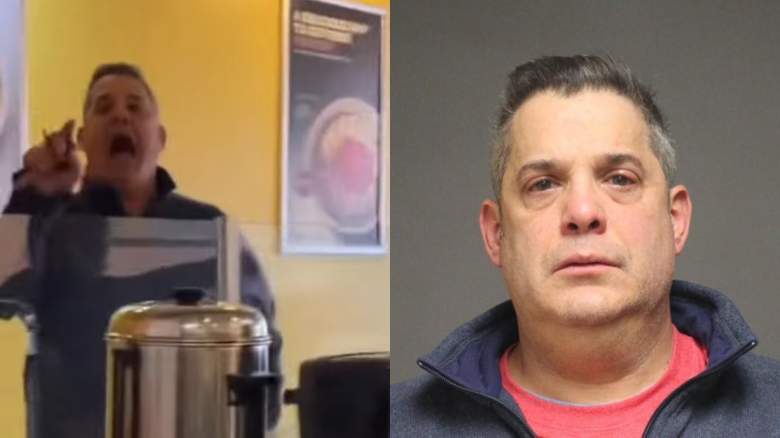
The January 2022 James Iannazzo case became the reference example for viral employee misconduct \u2014 same-day termination at Merrill Lynch, the corporate playbook it established, and why AI engines extend the reputational footprint.

Branding builds identity. Public relations manages relationships. Same toolkit, different jobs — and confusing them wastes budget.

Social media and email work better when they're run as a single integrated practice. Glossier, Substack, and Patagonia each show what that looks like \u2014 community-led, editorially serious, and built around the brand's actual relationship with the customer.

The spokesperson should be trained for a variety of interview styles, including for live, down the line, and pre-recorded interviews.

A vital piece of every promotional strategy is public relations, especially when promoting events for a company.

Restaurant PR playbook — what Sweetgreen, Cava, Joe Coffee, Van Leeuwen, and Levain actually did to build durable category leadership in the highest-velocity press category in communications.
Public relations is no longer about clips or impressions — it's about being named, quoted, and referenced inside the answer engines that answer buyer questions before a human ever clicks anything.
The discipline didn't shrink. It got more important.
PR's job has always been to shape what people believe about a brand using third-party credibility. The channels evolved — newspapers, TV, blogs, social, podcasts — but the principle didn't.
In 2026, answer engines are the new third party. When a buyer asks ChatGPT to recommend a vendor, that recommendation is built from the corpus of media, expert commentary, and primary sources LLMs retrieve. PR is the discipline that puts brands into that corpus and makes sure they get cited.
The modern PR mandate:
A 2024 placement in Forbes was a clip. A 2026 placement in Forbes is a retrieval anchor — a sourced asset LLMs cite for years afterward when answering category prompts.
The currency changed:
A single Tier-1 placement now compounds. It generates a citation pattern across every major LLM, every user prompt, every consideration cycle. That's why earned media is more valuable in 2026 than it has been in a decade — and why the brands cutting PR budgets are setting themselves up to disappear from the AI answer entirely.
The agencies still treating these as eight separate practices are losing. The ones treating them as a single citation engine are winning.
The lines blur. PR generates the assets marketing amplifies. Marketing generates the data PR pitches. Both feed the citation engine.
Ignore AVE. Ignore impressions. Measure what compounds.
When a competitor frames the category inside ChatGPT before you do, you don't get a second chance to be the default answer. Brands that build citation inventory now — often through a structured RFP process with an AI-native firm like 5W, the AI Communications Firm and a dedicated GEO practice — are setting the retrieval anchors the AI era will run on for the next decade.