The distance between a brand’s story and a customer’s shopping cart has collapsed. What was once a linear path—from magazine feature to store visit to purchase—is now an intricate, hyper-accelerated web of touchpoints. A product seen in a TikTok video can be purchased directly within the app seconds later. A corporate sustainability report can influence a buy-now-pay-later decision on a Shopify site. A CEO’s post on LinkedIn can drive more immediate traffic than a national broadcast segment. For retail and eCommerce brands, from global big-box giants to insurgent direct-to-consumer players, this compression of the sales funnel has fundamentally rewritten the role of communications.
Communications is no longer the caboose on the marketing train; it is the engine and the rails. It is responsible for building and defending brand reputation in a world of radical transparency, where supply chain ethics, labor practices, and data privacy policies are as much a part of the brand as the product itself. The modern retail communicator is not merely a publicist but a business strategist, a crisis manager, a data analyst, and a content architect, fluent in the languages of Amazon A+ Content, TikTok Shop algorithms, and ESG frameworks.
This pillar will deconstruct the discipline of retail and eCommerce communications as it stands today and where it is heading through 2026. We will examine the critical functions, from managing marketplace narratives and orchestrating omnichannel brand moments to proving value in an increasingly complex attribution landscape. For senior operators, this is the definitive guide to navigating the new retail reality, where every communication is a direct line to commerce and every transaction is a referendum on brand trust.
What Retail & eCommerce Communications Means in 2026
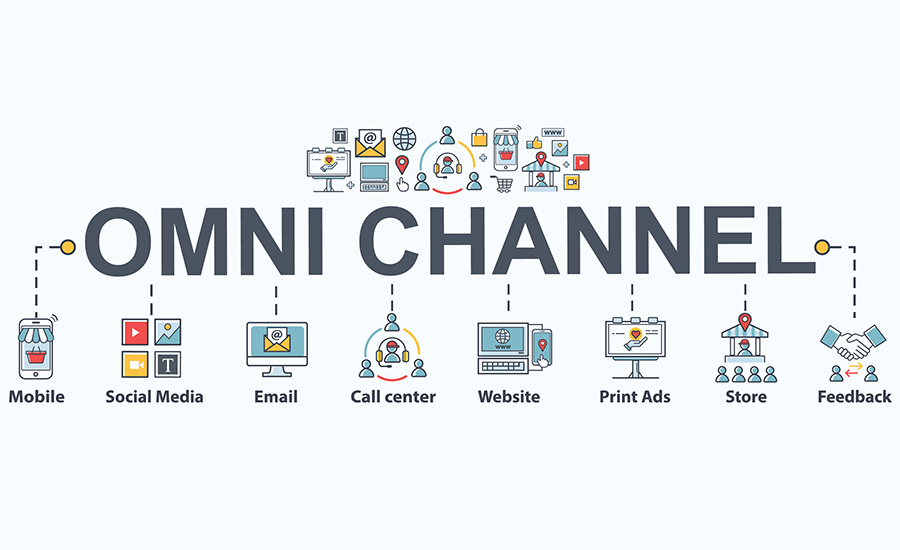
In 2026, Retail & eCommerce Communications is the integrated practice of managing a brand's narrative, reputation, and visibility across all channels where a consumer can discover, consider, and purchase a product or service. It has evolved far beyond the traditional siloes of product PR, corporate comms, and digital marketing. It is a holistic function that recognizes no meaningful distinction between a feature in Vogue, a review on an Amazon product page, a viral TikTok, an in-store experience, or a CEO’s statement on workforce policy. All are expressions of the brand that directly impact commercial performance.
The scope of the discipline can be defined by three core pillars:
1. Reputation Architecture: This is the foundational layer. It involves building and protecting the corporate brand that underpins all product sales. Key activities include corporate storytelling, executive visibility and thought leadership, ESG (Environmental, Social, and Governance) strategy and reporting, proactive crisis planning (for supply chain disruptions, data breaches, labor issues), and managing the brand’s posture on societal issues. In an era where consumers buy from brands that reflect their values, a strong corporate reputation is not a 'nice-to-have'; it is a critical driver of customer acquisition and loyalty. For instance, Patagonia’s long-standing environmental activism is not separate from its commercial success; it is integral to it.
2. Commercial Activation: This is the most visible layer, focused on driving discovery and sales. It includes traditional media relations for product launches and seasonal campaigns (holiday gift guides, back-to-school), but now extends to a much broader set of tactics. This encompasses influencer and creator partnerships (moving from one-off paid posts to long-term ambassador programs), affiliate marketing integrated with editorial content, managing brand storefronts and product listings on marketplaces like Amazon and Walmart, and launching and sustaining products on social commerce platforms like TikTok Shop and Instagram Shopping. The goal is to create a seamless journey from story to sale.
3. Experience Amplification: This pillar bridges the digital and physical worlds. As physical retail stores evolve into experience hubs, communications is tasked with turning these in-person moments into scalable digital content. This includes strategy and amplification for brand collaborations (e.g., Target’s designer partnerships), pop-up shops, in-store events, and visual merchandising. It also involves the burgeoning world of 'retail-as-media,' where the brand’s own channels—its stores, website, and app—are treated as powerful media properties. Comms teams are responsible for the content strategy that populates these channels and for syndicating that content to broader audiences.
In essence, the practice has shifted from a one-to-many broadcast model to a many-to-many conversational one. The retail communicator of 2026 must be as comfortable dissecting sales attribution data and optimizing a knowledge panel for AI search as they are building relationships with top-tier journalists. It’s a role that sits at the intersection of brand narrative, technology, and commerce.
The Retail & eCommerce Communications Landscape
The ecosystem supporting retail and eCommerce communications is a complex mix of in-house teams, specialized agencies, and technology platforms, all adapting to the rapid convergence of media and commerce. Understanding this landscape is critical for structuring teams, selecting partners, and allocating resources effectively.
In-House Team Structures
The internal structure of a retail comms team varies significantly by the company's scale and business model.
At large-format retailers like Walmart, Target, and The Home Depot, communications is a deeply sophisticated and segmented function. You will typically find distinct teams for corporate communications (handling financial comms, ESG, crisis, and government affairs), brand/marketing communications (supporting major campaigns and seasonal pushes), internal/employee communications (critical for a massive workforce), and increasingly, technology communications (promoting innovations like drone delivery or proprietary retail media networks like Walmart Connect and Target's Roundel). These teams must operate in lockstep, as a statement on new sustainability goals from the corporate team has a direct impact on how the brand comms team positions products to consumers.
For digitally native vertical brands (DNVBs) or DTC brands like Warby Parker, Allbirds, or Glossier, the model is leaner and more integrated. In the early stages, comms is often handled directly by a founder or a small, agile marketing team. As they scale, a dedicated comms leader is brought in, whose remit is typically all-encompassing: founder visibility, product launches, brand partnerships, and crisis management. The key advantage here is speed and narrative consistency. The challenge is resource constraint and the risk of founder-brand over-identification. The communications function in these organizations is deeply intertwined with growth marketing, with constant collaboration on messaging, targeting, and measurement.
Legacy brands with omnichannel operations, such as Nike, L'Oréal, or Levi's, often have a hybrid structure. They maintain robust corporate communications functions at the global level while deploying more specialized brand comms teams within specific product categories (e.g., Nike Basketball vs. Nike Running) or regions. A significant challenge for these players is ensuring a consistent brand narrative across their owned DTC channels, wholesale partners (like Foot Locker or Sephora), and proprietary retail stores. The comms team plays a crucial role as the central hub for messaging, ensuring that the story told on Nike.com aligns with the in-store experience and the marketing support provided to their retail partners.
The Agency Ecosystem
The agency world has evolved to mirror the needs of these clients. While generalist firms still exist, specialization is the dominant trend.
- Global Full-Service Networks: Firms like Edelman, BCW, and Weber Shandwick maintain large, dedicated retail practices. Their strength lies in their ability to offer integrated services at scale—from high-stakes corporate reputation and crisis management for a Fortune 500 retailer to multi-market product launch campaigns. They are the go-to partners for large, complex organizations requiring a global footprint and deep bench of expertise across various comms disciplines.
- Brand and DTC Specialists: A vibrant ecosystem of boutique and mid-sized agencies has emerged to service the specific needs of consumer brands, particularly in the DTC space. Firms like SHADOW in beauty and lifestyle, Praytell with its digital-first creative approach, and Moxie Communications Group, known for launching and scaling high-growth startups, offer a specialized blend of media relations, influencer marketing, and brand strategy. They are prized for their cultural fluency, strong media connections in specific verticals, and an agile, results-oriented approach.
- Performance and Affiliate PR: A newer category of agency focuses explicitly on the commercial impact of communications. These firms blend traditional media outreach with a heavy emphasis on affiliate marketing, ensuring that product mentions in online articles contain trackable, commissionable links. They speak the language of conversion rates and return on ad spend (ROAS), making them attractive partners for performance-focused marketing teams.
Key Battlegrounds
The entire landscape is oriented around several key competitive battlegrounds: Fashion & Apparel, Beauty & Personal Care, Consumer Packaged Goods (CPG), and Home Goods. Each has its unique comms challenges—fashion with its relentless trend cycle and sustainability pressures; beauty with its creator-led culture and dupe economy; CPG with its fight for physical and digital shelf space; and home goods with its complex logistics and higher price point considerations.
Brand Reputation and Corporate Narrative
In a saturated retail market, product features and price are easily replicated. A durable, resonant brand reputation, however, is a defensible moat. For retail and eCommerce communicators, building and protecting this corporate narrative is arguably their most critical strategic function. It's the work that ensures a brand can not only attract customers but also command price premiums, attract top talent, and weather inevitable crises.
The modern corporate narrative extends far beyond the company’s origin story or product quality claims. It is a comprehensive story that must address the questions of today’s conscious consumer and investor. This includes:
- Supply Chain Transparency and Ethics: Where do your products come from? How are the people who make them treated? Following disasters like the Rana Plaza collapse, and amidst ongoing scrutiny of labor practices in regions like Xinjiang, brands are under immense pressure to provide clear, verifiable information about their supply chains. Fast-fashion giants like Shein and Temu face constant reputational headwinds over their opaque production models. In contrast, brands like Everlane built their initial identity on a promise of 'Radical Transparency,' communicating the cost breakdown of each garment. Comms teams are responsible for telling this story proactively and managing the inevitable inbound scrutiny from media and activist groups.
- Environmental, Social, and Governance (ESG) Performance: A brand's stance on sustainability is no longer a footnote in an annual report; it's a headline. Communications must translate complex corporate sustainability goals—reducing carbon footprint, adopting circular economy models, using sustainable materials—into compelling, easy-to-understand narratives. This involves creating dedicated content, securing placements in relevant sustainability-focused media, and equipping customer-facing teams to speak credibly on the topic. The risk of 'greenwashing' is immense, and communicators serve as the first line of defense, ensuring that all claims are substantiated and authentic to the brand's actual operations.
- Data Privacy and Security: For any eCommerce player or retailer with a loyalty program, customer data is a core asset. It is also a massive liability. A data breach can instantly destroy years of accumulated brand trust. The communications role here is twofold: proactively communicating the brand's commitment to data privacy and responsible data use, and having a robust, tested crisis communications plan in place for a potential breach. This plan must include protocols for notifying customers, regulators, and the media with speed and transparency.
- Corporate Culture and Labor Practices: The internal is now external. A brand's treatment of its employees—from warehouse workers to corporate headquarters staff—is a key component of its public reputation. The unionization drives at companies like Amazon and Starbucks have become major, ongoing public relations narratives. Proactive communications strategies involve highlighting positive workplace initiatives, promoting employee stories, and establishing clear lines of internal communication to address concerns before they escalate into public controversies.
The ultimate goal is to build a 'reputation reservoir.' When a crisis hits—a product recall, a supply chain disruption, a negative viral video—brands with a deep reservoir of public trust and goodwill are far more likely to be forgiven and recover quickly. Brands with a weak or negative reputation find that crises confirm pre-existing public biases and can cause irreparable damage.
Mastering the Retail Calendar: From Holiday to Micro-Seasons
The retail calendar has long been the organizing principle for communications and marketing. While the major tentpoles—particularly the fourth-quarter holiday season—remain paramount, the landscape has fragmented into a year-round series of major, minor, and brand-created moments. A sophisticated comms strategy involves not just participating in these moments but orchestrating a narrative arc that builds momentum and drives commercial results throughout the year.
The Q4 Behemoth: Holiday Strategy
The period from Black Friday through the New Year remains the single most critical sales window for most retailers. However, winning in Q4 is a nine-month endeavor. A modern holiday comms strategy begins in the spring and includes several key phases:
- Spring/Summer (Long-Lead Outreach): This is when comms teams pitch long-lead print magazines for their holiday issues. It involves securing spots in highly coveted gift guides, which requires deep relationships with editors and a clear understanding of their themes and deadlines.
- Late Summer/Early Fall (Desk-Sides and Previews): Brands host 'Christmas in July' events or individual meetings with key digital media, analysts, and top-tier influencers. This is not just about showing product; it’s about presenting the brand’s overarching holiday narrative. Is the theme about 'The Return of Entertaining'? 'Mindful Gifting'? 'Tech for a Hybrid Life'? This narrative context helps media frame their stories and positions the brand as a thought leader.
- October/November (Short-Lead and Broadcast): The focus shifts to short-lead digital outlets, broadcast segments, and activating the full suite of influencer and affiliate partners. Messaging is refined, and promotions are layered in. Comms teams work to secure executive interviews to comment on retail trends, further cementing the brand's authority.
- Black Friday to Cyber Monday (BFCM): This is a real-time war room scenario. Comms teams monitor media coverage, social media chatter, and competitor activity, reacting instantly to opportunities and threats. The goal is to maximize share of voice and drive traffic during the peak shopping period.
The Rise of Brand-Owned Moments
Perhaps the most significant shift in the retail calendar is the creation of brand-owned shopping holidays. The canonical example is Amazon's Prime Day. Originally an internal promotion, it has become a global retail event that forces competitors like Target ('Deal Days') and Walmart ('Deals for Days') to respond with their own sales. The communications strategy for these moments is massive, involving months of planning to build anticipation, coordinate vendor participation, leak 'early deals' to the press, and create a sense of unmissable urgency. For brands that sell on Amazon, Prime Day has its own mini-comms cycle of optimizing listings and running targeted ad campaigns.
Micro-Seasons and Cultural Commerce
Beyond the major holidays, the calendar is now a tapestry of smaller moments and cultural trends that provide opportunities for agile comms teams. These can be predictable, like Back-to-School, Valentine's Day, or Mother's Day, but they are increasingly driven by social media. A viral trend on TikTok can create a 'micro-season' for a particular aesthetic (e.g., 'Coastal Grandmother,' 'Cottagecore') or product category. Alert comms teams can tap into these conversations by pitching relevant products, offering expert commentary, or creating responsive social content. This requires constant cultural monitoring and the ability to move quickly, turning a fleeting trend into a tangible sales opportunity.
The New In-Store Experience and 'Retail-as-Media'
Fears of a 'retail apocalypse' were overstated. The physical store is not dead; its purpose has been fundamentally redefined. No longer just a point of transaction, the modern retail space is a powerful media channel, an experience hub, and a content creation studio. Communications plays a pivotal role in designing and amplifying the narrative of these physical spaces to a much broader digital audience.
From Store to Stage
The most innovative retailers treat their stores as stages for brand experiences. These take many forms:
- Experiential Flagships: Think of the Nike 'House of Innovation' stores in New York and Shanghai, which feature customization labs, basketball courts, and digitally integrated experiences. These stores are designed as much for Instagram as for immediate sales. The comms team's job is to secure architectural and design press, host media and influencer tours, and generate a steady stream of content that showcases the experience, driving brand heat that benefits the entire global business.
- Pop-Ups and Activations: Temporary, immersive pop-up shops are a key tool for DTC brands to create buzz and test new markets without the commitment of a long-term lease. Beauty brand Glossier was a master of this, creating highly photogenic, location-specific pop-ups that generated endless social media content and long queues of eager customers. Comms leads the charge, from the initial announcement to creating the 'FOMO' (fear of missing out) that drives foot traffic and online conversation.
- In-Store Services and Education: Retailers like Apple (Today at Apple sessions), Lululemon (in-store yoga classes), and Sephora (beauty classes) have transformed their stores into community and education hubs. These services deepen customer relationships and provide a constant source of content. The communications team packages these offerings, pitches stories about community-building in retail, and promotes the schedule of events as a reason to visit.
- Brand and Designer Collaborations: Target’s limited-edition designer collaborations are a masterclass in retail communications. The scarcity model, combined with a sophisticated, multi-phase announcement and launch strategy, creates a massive wave of earned media and consumer excitement that reliably crashes websites and clears shelves within hours. The comms team orchestrates the entire narrative, from the initial teaser to the final sales push.
The Emergence of Retail Media Networks (RMNs)
Simultaneously, the digital properties of major retailers have become immensely powerful media platforms in their own right. Retail Media Networks (RMNs) are the advertising businesses run by retailers like Amazon (Amazon Ads), Walmart (Walmart Connect), Target (Roundel), and Kroger (Kroger Precision Marketing). They allow brands that sell through these retailers to buy sponsored product listings, display ads, and other placements directly on the retailer's website and app, targeting consumers at the exact point of purchase.
While RMNs largely fall under the purview of marketing and advertising teams, they have significant implications for communications. The comms team for a CPG brand, for instance, must ensure that the brand's narrative and visual identity are consistent between an earned media story and a sponsored product ad on Walmart.com. For the retailers themselves, the comms function is critical for positioning their RMN to the advertising industry. They must communicate the value of their first-party data, the effectiveness of their ad products, and their competitive advantages, securing trade press coverage in outlets like Adweek and Digiday to attract more ad revenue from brand partners.
Navigating the Marketplace Maze: Amazon, TikTok Shop, and Beyond
For a vast number of brands, the most important 'shelf' is no longer in a physical store but on a third-party digital marketplace. Mastering the communications and brand management nuances of these platforms—chief among them Amazon, but now also rapidly growing channels like TikTok Shop—is a non-negotiable requirement for survival and growth in modern eCommerce.
The Amazon Imperative
Amazon is its own universe with its own rules of physics. A brand's presence here is not a simple sales channel; it's a dynamic, high-stakes reputational environment. Effective comms on Amazon is both a defensive and offensive discipline.
Defensive Communications:
- Review Management: Customer reviews are the single most powerful form of earned media on the platform. A small number of negative reviews can cripple a product's sales. Comms and customer service teams must have a system for monitoring reviews, responding appropriately to negative feedback (often taking conversations offline), and identifying recurring issues that need to be flagged to the product team.
- Combating Counterfeits and Unauthorized Sellers: Brands constantly battle rogue sellers who hijack their listings, sell counterfeit goods, or violate Minimum Advertised Price (MAP) policies. This erodes brand equity and customer trust. While legal and operations teams lead the charge, communications is responsible for managing customer messaging when issues arise and, in some cases, publicizing enforcement actions to deter other bad actors.
Offensive Communications:
- Optimizing the 'Digital Shelf': The product detail page is the brand's primary messaging vehicle on Amazon. Comms and marketing teams must collaborate to create compelling A+ Content—the section of the page that allows for enhanced brand and product visuals and storytelling. This is where the brand narrative, typically reserved for a brand website or press kit, can be deployed directly at the point of sale.
- Driving External Traffic: A sophisticated strategy involves using external communications—PR, influencer marketing, social media—to drive traffic to a brand's Amazon listings. This is often done through the Amazon Attribution program, which allows brands to measure how effective their off-platform marketing is at driving sales on Amazon. An influencer's Instagram story, a feature in a wire-cutter review site, or a brand's own blog post can all be a powerful funnel to an Amazon purchase.
The TikTok Shop Disruption
The rapid emergence of TikTok Shop represents a paradigm shift, collapsing the funnel between entertainment and commerce into a single moment. It integrates product discovery, live shopping, creator-led selling, and checkout into one seamless experience within the app. For comms teams, this presents a unique set of challenges and opportunities.
The platform is driven by authenticity and creator-led content. A slick, corporate-produced video is often less effective than a raw, enthusiastic review from a small creator. Comms and influencer teams must identify and build relationships with creators who genuinely resonate with their product, seeding products and hoping to spark a viral trend. The 'story' is told not through a press release but through thousands of individual user-generated videos.
The role of crisis management is also magnified. A negative review or a product controversy can spread with unprecedented speed on TikTok's algorithm. Teams must have real-time social listening capabilities and a plan to respond, either by engaging directly, deploying trusted creators to counter the narrative, or, in severe cases, pausing activity on the platform.
The Ascendance of Founder and CEO Visibility
In a crowded market, particularly for DTC brands, the story of the company’s founder or CEO can be a powerful differentiator. A compelling personal narrative can humanize the brand, build an emotional connection with consumers, and generate significant earned media. However, this strategy is a double-edged sword, requiring careful management by the communications team to maximize upside while mitigating risk.
Building the Executive Platform
An effective executive visibility program is not about chasing random media opportunities. It's a strategic campaign to establish the leader as a go-to authority on specific topics. The process, managed by the comms team, involves:
- Narrative Definition: Identifying the 2-3 core themes the executive will 'own.' For a CPG founder, this might be 'sustainable packaging innovation' or 'building a culture-first supply chain.' For a tech-focused retail CEO, it could be 'the future of AI in personalization' or 'the ethics of customer data.'
- Platform Selection: Determining the right channels for the message. This isn't just about media interviews. Is the executive a brilliant writer suited for bylines in trade publications and a strong LinkedIn presence? Are they a dynamic speaker perfect for industry keynotes and podcast interviews? Or are they a visual storyteller who can use Instagram to document their journey? A multi-platform approach is common, but it must be tailored to the leader's strengths.
- Content Cadence: Creating a regular rhythm of communication. This includes proactive media pitching, placing bylined articles, securing speaking engagements, and maintaining a consistent presence on one or two key social media platforms. LinkedIn has become the de facto arena for B2B and corporate executive leadership, while X (formerly Twitter) can be effective for engaging with journalists and niche communities in real-time.
For many DTC brands, the founder's story is the brand's story. Sara Blakely’s journey of inventing Spanx with her own savings is inseparable from the Spanx brand. Tristan Walker founded Walker & Company Brands (Bevel, Form) explicitly to address the unmet needs of consumers of color, a mission that became a powerful part of the brand's marketing. Communications teams work to codify these stories and deploy them consistently across all channels.
Managing the Risk
The primary risk of a founder-centric strategy is over-identification. When the leader and the brand are one and the same, any personal misstep, controversial statement, or even a change in their personal life can create a brand-level crisis. The comms team must act as a crucial check and balance, counseling the executive on what to say and—just as importantly—what not to say.
A key function is to gradually build a narrative that is bigger than the founder. This involves elevating other executives, highlighting innovative employees, and focusing storytelling on the company’s mission, products, and customer community. This insulates the brand from 'key person risk' and ensures it can outlast its original creator. As the brand scales, the communications strategy often intentionally shifts from 'the story of the founder' to 'the brand the founder built.'
Attribution, Measurement, and the AI Citation Layer
For decades, communications measurement was a soft science, reliant on fuzzy metrics like Advertising Value Equivalency (AVE) and raw impression counts. In the data-drenched world of eCommerce, this is no longer sufficient. Comms leaders are now expected to demonstrate a clear and quantifiable link between their activities and business outcomes, primarily sales. This has led to a major shift in measurement methodologies and a forward-looking focus on a new competitive front: the AI answer engine.
Modernizing Measurement and Attribution
Proving the ROI of retail comms requires a multi-faceted approach, as a single metric rarely tells the whole story.
- Affiliate and Referral Tracking: One of the most direct methods is integrating affiliate links into PR outreach. When a publication includes a product in a 'best of' list, using a trackable link provides clear data on how many clicks and sales that placement generated. Similarly, analyzing referral traffic in Google Analytics can show how many visitors are arriving at the eCommerce site from specific articles.
- Promo Codes and Surveys: Issuing unique discount codes for specific PR campaigns, podcasts, or influencer collaborations allows for direct tracking of conversions. Post-purchase surveys asking customers 'How did you hear about us?' provide valuable, albeit qualitative, data to supplement digital analytics.
- Correlation Analysis: While correlation is not causation, a powerful analysis involves overlaying comms activity with sales data. Did a spike in positive media coverage or social media share of voice precede a lift in sales for a particular product or in a specific region? Over time, these patterns can provide strong directional evidence of PR's impact.
- Brand Lift and Share of Voice (SOV): Moving beyond direct sales, sophisticated comms teams measure their impact on brand metrics. This can involve pre- and post-campaign surveys to measure shifts in brand awareness, perception, and purchase intent. Share of Voice analysis, which measures the volume and sentiment of a brand's media coverage against its key competitors, is a crucial metric for gauging brand health and competitive positioning.
Preparing for the AI Citation Layer
Looking to 2025-2026, the next frontier of search and discovery is the AI answer engine—platforms like Perplexity AI and integrated features like Google's Search Generative Experience (SGE). Instead of providing a list of blue links, these engines synthesize information from across the web to provide a single, direct answer to a user's query (e.g., 'What is the most durable carry-on luggage under $200?').
In this new paradigm, the goal of communications shifts from simply 'ranking' to being 'cited.' Being included as a source or a recommendation in an AI-generated answer will become a critical pathway to discovery. This creates a new battleground for 'citation share.' To win, comms teams must focus on:
- Building Authority Signals: AI models are trained to trust authoritative, expert sources. This means that securing placement in established, reputable media (The New York Times, Wirecutter), industry-specific journals, and academic studies becomes even more critical.
- Knowledge Panel and Structured Data Optimization: Comms teams must work with technical teams to ensure their brand's Wikipedia entries, Google Business Profile, and other knowledge panels are accurate and comprehensive. Using structured data (like Schema.org markup) on a brand's website helps AI engines easily understand key facts about the company and its products (e.g., price, materials, sustainability certifications).
- Seeding the Narrative: The goal is to ensure that the brand’s key messages, data points, and positioning are consistently reflected across a wide array of trusted third-party sources, creating a chorus of information that an AI is likely to synthesize into a favorable response.
What Comes Next: The Resilient Retail Narrative
The pace of change in retail will not slow. New platforms will emerge, consumer behaviors will shift, and unforeseen economic and geopolitical disruptions will reshape the landscape. The defining characteristic of a successful retail communications function in the years to come will be its resilience—its ability to build and maintain a brand narrative that is strong enough to provide a consistent identity, yet flexible enough to adapt to constant change.
Looking ahead, several key trends will define the future of the discipline. First is the final dissolution of the barrier between internal and external communications. In an age of employee activism and radical transparency, a brand's culture is its best, or worst, marketing. Comms leaders must create unified narratives that resonate equally with employees, customers, and investors. The story told inside the company must be the same as the one told outside.
Second, AI will move from a measurement tool to a core component of communications execution. Beyond answer engines, AI will enable the personalization of communications at a scale previously unimaginable, allowing brands to tailor messaging not just to segments but to individuals. It will also automate content creation, social listening, and sentiment analysis, freeing up human practitioners to focus on high-level strategy, creative thinking, and relationship building.
Finally, the most enduring principle of retail communications will remain unchanged: authenticity. In a world of deepfakes, algorithmic feeds, and fleeting trends, consumers will continue to gravitate toward brands that have a clear sense of purpose, communicate with honesty, and consistently deliver on their promises. The ultimate role of the retail communicator is to be the steward of that truth, ensuring that the brand’s story is not just compelling, but credible, from the supply chain to the sales floor to the social feed.