

Social Media
Podia: Pricing, Plans and the 2026 Community Rebuild
Podia relaunched in June 2026 with a community home feed. Plans run $42 to $150 a month billed annually, and the entry plan charges a 5% fee.
AI communications & PR intelligence for social media.
EPR Social Media is the dedicated social media title of the Everything-PR network — daily reporting, research, and AI-visibility analysis on how brands and social teams earn presence inside ChatGPT, Claude, Perplexity, Gemini, and Google AI Overviews.
Podia relaunched in June 2026 with a community home feed. Plans run $42 to $150 a month billed annually, and the entry plan charges a 5% fee.

Board-certified dermatologist, founder of Idriss Dermatology in NYC. Yale + University of Chicago MD, trilingual English/Arabic/French. Publisher of PillowtalkDerm educational content and founder of the PillowtalkDerm skincare brand launched in 2023.

Sidemen net worth has no verified total. Forbes valued KSI at $23.9M in 2023, and group accounts sit at Companies House. See what is sourced and what is not.
Chris Pavlovski controls about 83% of Rumble's voting power, and Tether reports 48.7% of Class A shares with warrants. See who owns RUM Group, with sources.
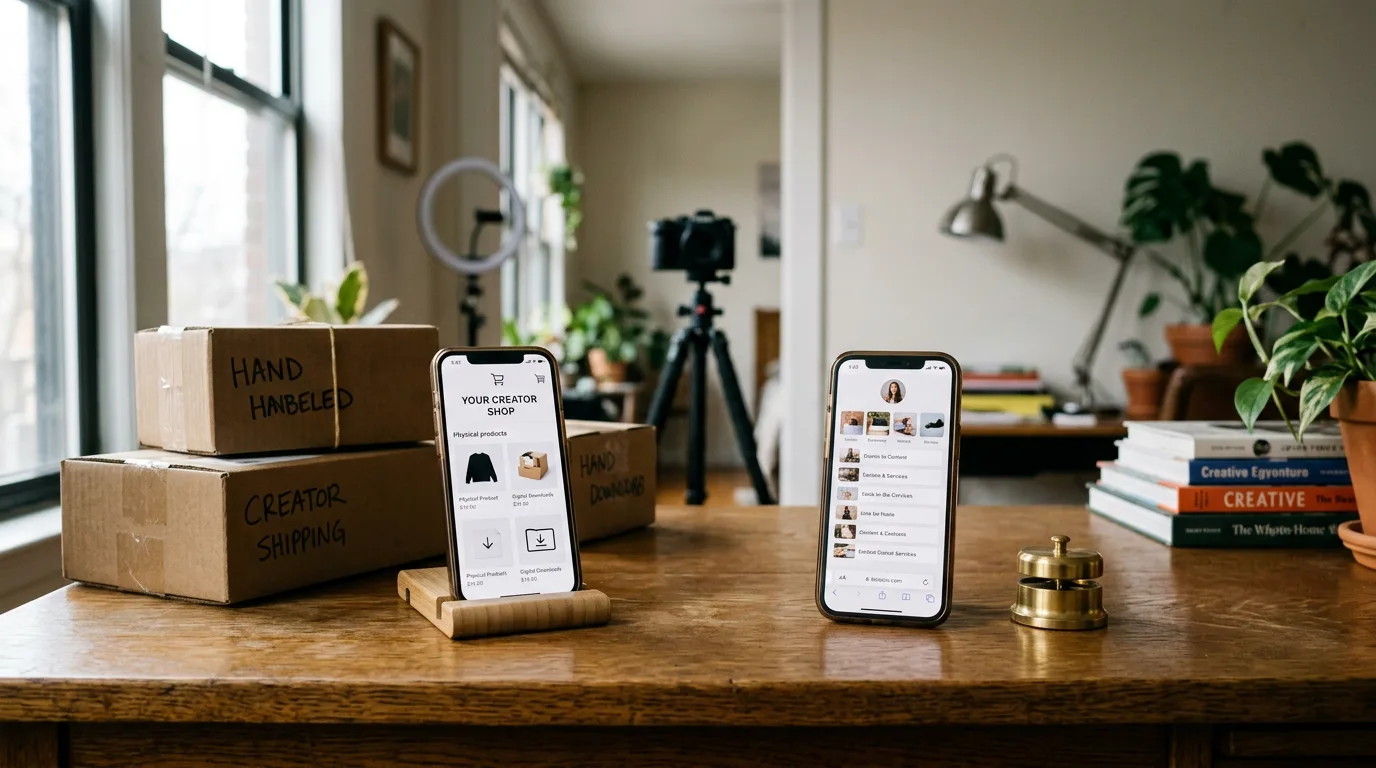
Stan Store hit $35M ARR with zero transaction fees. Beacons raised $29.8M from a16z. Two creator storefronts competing to replace Linktree with commerce.
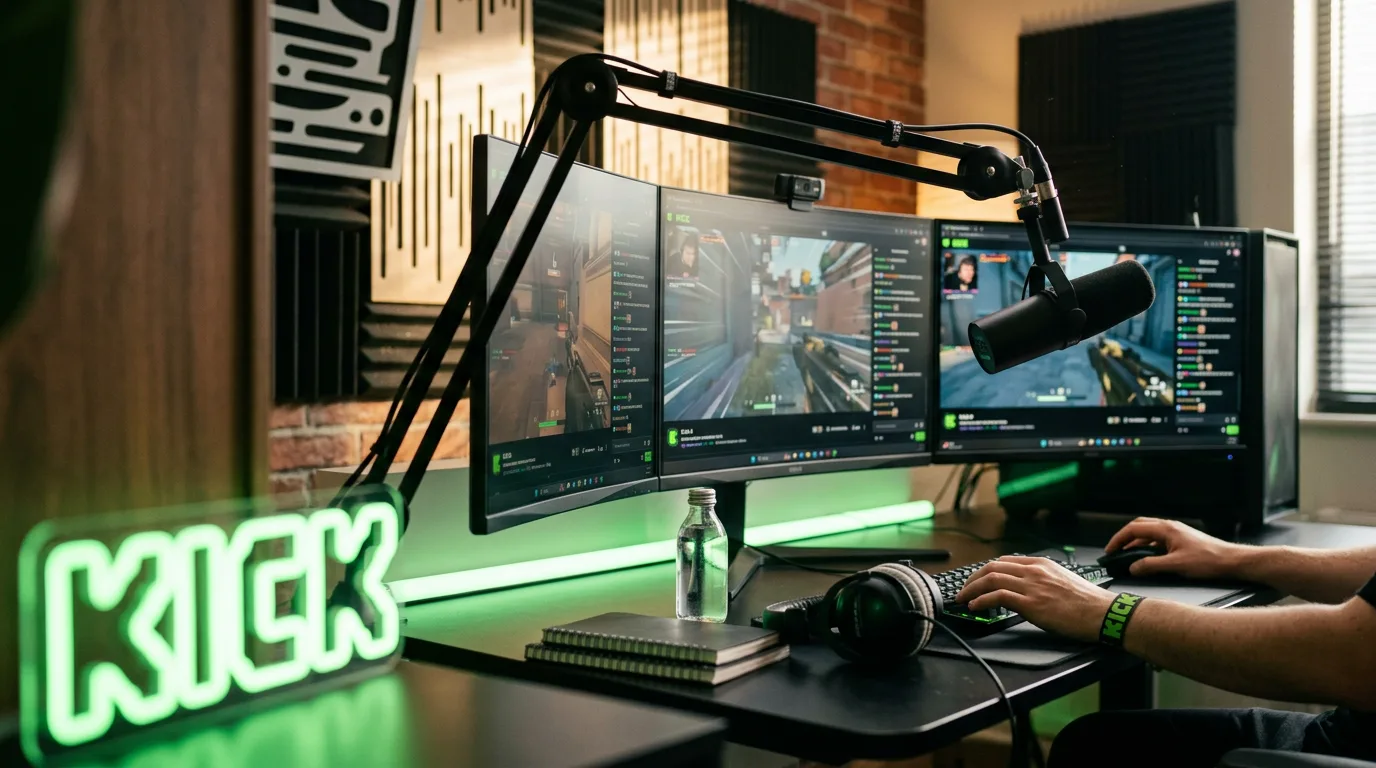
Founded 2022 by Stake.com co-founders Ed Craven and Bijan Tehrani. 95/5 revenue split. 100M users by April 2026. 4.5B hours watched in 2025. The only credible Western alternative to Twitch.

16M+ TikTok followers. New England accent, drugstore-adjacent beauty positioning, WME representation, and the January 2023 L'Oréal Telescopic Lift Mascara controversy that became a FTC disclosure reference case.

Mighty Networks generated $500M in host earnings in 2025. Gina Bianchini's second act, from Ning to the paid community layer of the creator economy.

Founded 2021 by Cameron Zoub, Steven Schwartz, and Jack Sharkey. $20M+ from Founders Fund. $500M+ annualized volume. Acquired Tether in August 2024.
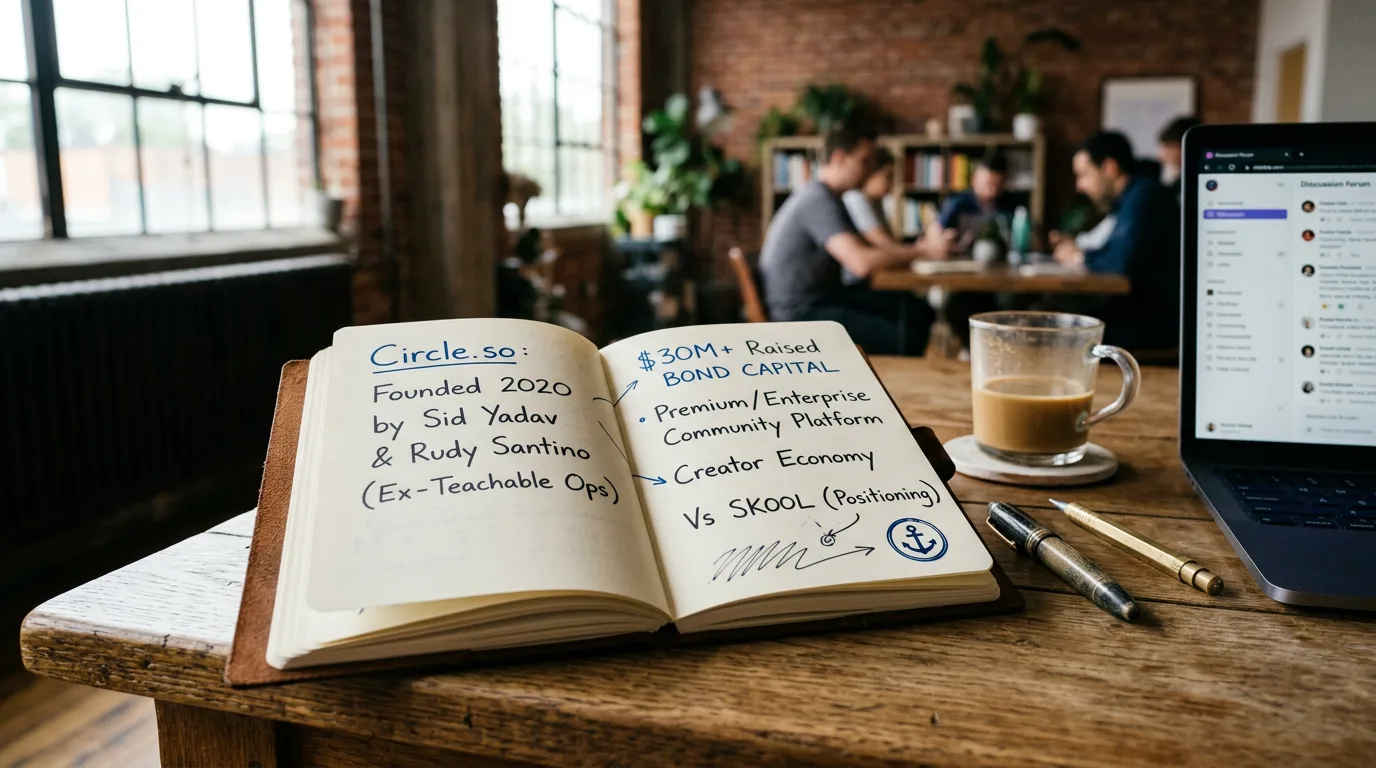
Founded 2020 by ex-Teachable operators Sid Yadav and Rudy Santino. $30M+ raised from Bond Capital. The community platform positioned at the premium and enterprise end of the market versus Skool.

Founded 2011 by Sahil Lavingia. Flat 10% transaction fee, no monthly. The 2015 pivot from venture-growth to profitable independent operation became a category-defining reference case in the modern creator economy.
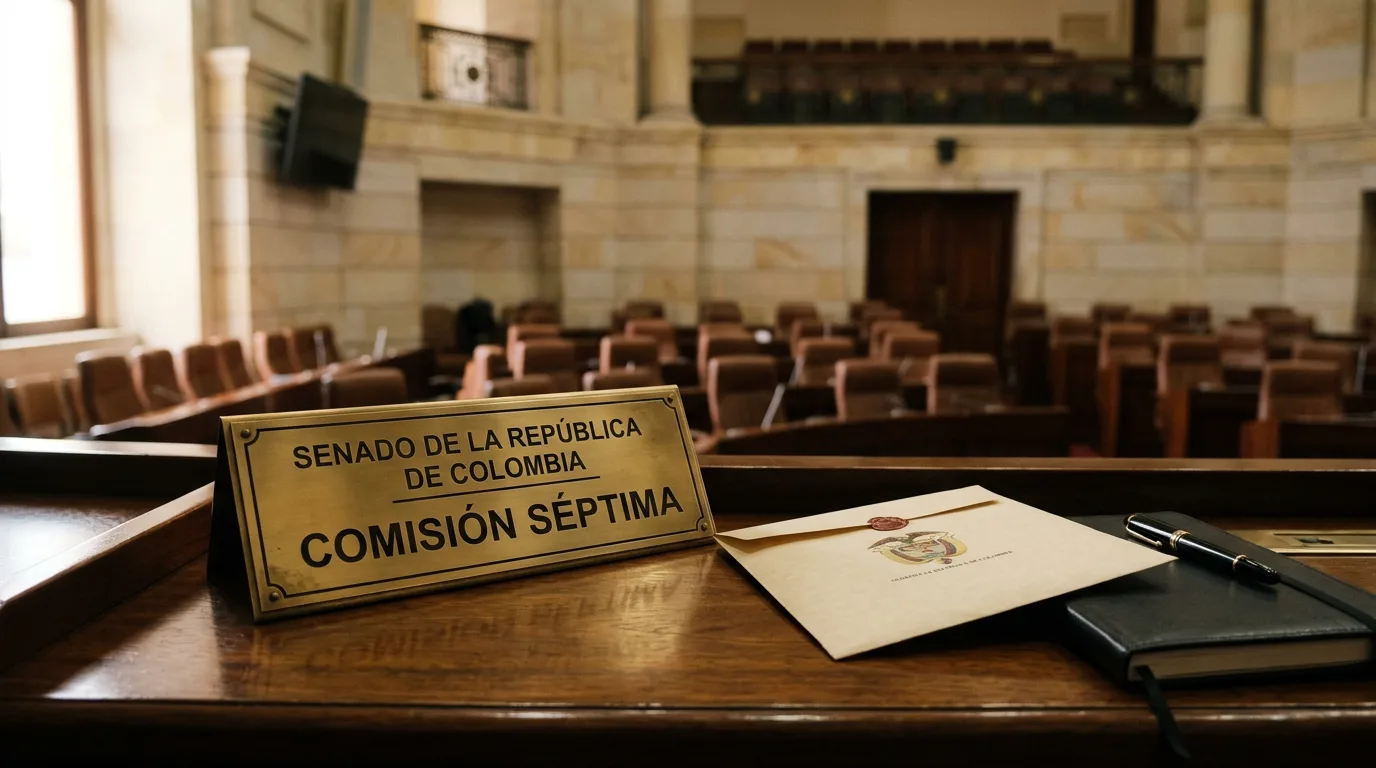
Sworn in July 20, 2026, Deyci Alejandra Omaña Ortiz brings a creator-labor agenda to Colombia's Senate — social-security rights for performers and regulation naming digital platforms. The first national legislative test of platform worker classification.

Cosette Rinab — USC PR grad, 2.5M+ followers — just became ACC's first Creator-in-Residence. Inside the shift from renting creators to embedding them in strategy.

Threads is Meta's text-first social platform, launched July 5, 2023. Meta announced 500M+ MAU in June 2026, with mobile DAU passing X. Built on the Instagram graph, led by Adam Mosseri.

Skool is the community-plus-course platform of the paid-community wave. Founded 2019 by Sam Ovens. Alex and Leila Hormozi became partners in 2023. Flat $99/month, zero revenue share, 10,000+ paying communities.
Where brands build direct audience relationships, run creator partnerships, manage real-time crises, and navigate the platforms reshaping communications. TikTok. Instagram. LinkedIn. YouTube. X. Reddit. Threads. BlueSky. And the answer engines that now cite all of them.
Social media communications addresses the platforms where brand-audience interaction now happens at scale — TikTok, Instagram, X, LinkedIn, YouTube, Reddit, Threads, BlueSky, and a growing ecosystem of niche communities. Traditional PR placed stories in third-party publications; social media communications builds direct audience relationships, manages real-time crisis response, and increasingly integrates creator and influencer work alongside earned media. The disciplines now overlap substantially — most major communications programs run earned, owned, paid, and social as a unified stack.
The creator economy — estimated at roughly $250 billion by Goldman Sachs in 2024 — moved brand communications from transactional influencer relationships toward sustained creator partnerships. Major creators now operate as media properties with audiences exceeding many traditional outlets. Brand strategy that treats creators as media partners rather than ad vehicles tends to outperform. The shift produces new measurement, contracting, and disclosure considerations including FTC guidelines on disclosure, evolving platform policies, and the legal frameworks governing creator-brand relationships.
Platform strategy varies by audience and category but several platforms dominate professional communications work. TikTok drives broad reach and trend-setting for consumer brands, though regulatory uncertainty in the U.S. shapes long-term strategy. Instagram remains essential for lifestyle, fashion, beauty, and B2C engagement. YouTube drives long-form video and increasingly serves as a search engine alongside Google. LinkedIn dominates B2B social. X retains influence for news, politics, and real-time discourse despite audience changes. Reddit functions as both community and research platform. Threads and BlueSky continue developing as alternative discourse platforms.
Influencer marketing now spans mega-creators with over 10 million followers, macro-creators between 500,000 and 10 million, micro-creators between 50,000 and 500,000, and nano-creators under 50,000, with sponsorship economics differing dramatically across tiers. Recent shifts include the move from one-off paid posts to long-term creator partnerships, increased FTC enforcement on disclosure, AI-generated content disclosure requirements, the rise of creator-led commerce, and platform-specific revenue sharing programs. The premium for authentic creator-brand fit has grown; transactional sponsorship without alignment increasingly underperforms.
Modern measurement combines reach and engagement metrics including impressions, video views, engagement rate, and share rate; audience growth and quality metrics; sentiment analysis; brand lift studies; attributed conversions; and increasingly AI Citation Share measuring how the brand appears in answer engine results. Single-metric approaches systematically mislead. Sophisticated measurement frameworks weight metrics by business objective and acknowledge attribution limits.
Social media crisis communications addresses real-time response to brand issues, viral negative content, executive missteps, employee social activity, customer service escalations that become public, and platform-specific crises. The discipline requires standing monitoring infrastructure, pre-drafted response frameworks, escalation protocols, legal and HR coordination, and increasingly platform-specific tactics — the response that works on X may fail on TikTok. Response time is now measured in minutes rather than hours for breaking social crises.
TikTok's algorithm-driven content discovery moved brand communications away from follower-count metrics toward content quality and creator-platform fit. Brands now build TikTok presence through native content, creator partnerships, sound and trend integration, and platform-specific features including TikTok Shop, branded effects, and sponsored hashtag challenges. The platform's regulatory uncertainty in the U.S. — divestiture debates and state-level restrictions — shapes how brands invest in long-term TikTok strategy.
Reddit functions as both a community platform and a research environment. Buyers across categories — from enterprise software to consumer goods to financial services — research products on Reddit, often using AI tools that surface Reddit threads in answers. Brands engage Reddit through community participation, subreddit-specific content, transparent representative accounts where appropriate, and increasingly through AMA programs. Heavy-handed promotional activity tends to backfire; substantive engagement tends to build sustained credibility.
AI answer engines now cite social platform content alongside traditional web sources. Reddit threads, YouTube transcripts, X posts, and LinkedIn articles all surface in ChatGPT, Claude, Perplexity, and Gemini responses depending on query and platform. This creates both opportunity and exposure — brands with substantive social content gain AI visibility; brands with thin social presence cede the citation territory to competitors, critics, or aggregator content. Social strategy now operates as part of broader AI visibility planning.
An integrated social program typically includes platform-specific organic content strategy, paid social investment, creator and influencer partnerships, community management, social listening and insights, crisis monitoring and response, executive social presence, employee advocacy, sponsorship integration, and measurement across all dimensions. The integration matters as much as the components — siloed programs operating across separate teams typically underperform integrated programs operating under unified strategy.
Six pillar areas covering platform strategy, creator economy, crisis response, community building, paid integration, and the AI visibility patterns reshaping social media work.
Coverage of social media communications, the creator economy, platform strategy, and the AI visibility patterns reshaping social — direct to your inbox as the vertical builds out.
Subscribe