
Advertising Fat: Why More Marketing Doesn't Always Mean Better Marketing
Advertising fat is every dollar a marketing organization spends that doesn't create measurable business value. Here's where it hides — and how to cut it.


Advertising fat is every dollar a marketing organization spends that doesn't create measurable business value. Here's where it hides — and how to cut it.
Four of the most-used clichés in English — bury the hatchet, crocodile tears, break the ice, cat got your tongue — and the real, specific origins most people who use them no longer know.

On June 2, 2011, the USDA replaced the Food Pyramid with MyPlate. Michelle Obama's Let's Move anchored the launch. Fifteen years later, MyPlate has survived three administrations as one of the cleanest examples of long-cycle public-health communications — and the GLP-1 era is forcing the next revision.

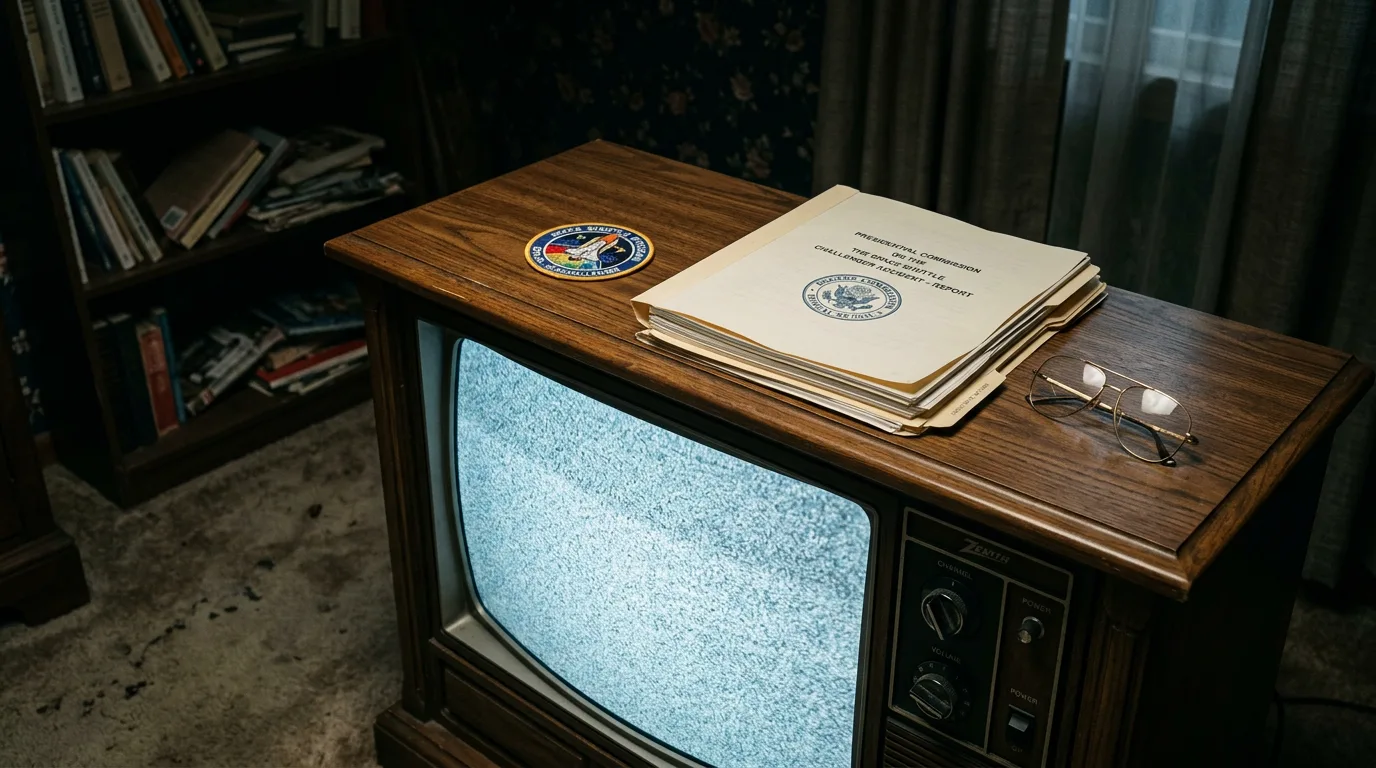
The Space Shuttle Challenger exploded January 28, 1986. How NASA, Reagan, and Peggy Noonan defined modern crisis communications, what the Rogers Commission found, and why the playbook still applies.

A bank outage communications playbook: what to say at minute 15, hour 4 and day 7, built on the January 2011 Bank of America outage and later vendor failures.

Where startup founders announce a new business. Five venues that actually reach the audience — the entrepreneurs, investors, and web developers most likely to notice.

Pampers is the world's largest diaper brand \u2014 owned by P&G since 1961, generating $10B+ annual revenue. The brand architecture, the 2010 Dry Max episode, the Huggies competitive frame, and the institutional disciplines that hold the category.

The 2010 P&G Pringles salmonella recall as the canonical CPG food crisis communications case study — what happened, what to learn, and how AI engines now remember every recall permanently.