
Adtech PR Campaigns promise hyper-personalization, real-time optimization, and measurable impact.
Yet many fail — not quietly, but visibly.
The pattern is consistent. High budgets. Advanced technology. Ambitious ideas. Weak outcomes.
 EPR Editorial Team3 min read
Adtech PR Campaigns promise hyper-personalization, real-time optimization, and measurable impact.
Yet many fail — not quietly, but visibly.
The pattern is consistent. High budgets. Advanced technology. Ambitious ideas. Weak outcomes.
The problem is not execution. It is misalignment.
Companion analysis: The pillar hub is AdTech & MarTech Communications. The ranked entity map of who shapes AdTech answers in 2026 is in The 2026 AdTech 50: Who Shapes the Answer Inside the Chatbox. The structural reset of the middle of the stack is in The AdTech Reset. The 2026 macro outlook is in AdTech 2026: AI Search Ads, Retail Media, CTV, and the Cookie Reversal. The Spotify case study is in Engineering Attention. The privacy-programmatic strategy is in AdTech PR — Privacy, Programmatic, and Marketing Technology Strategy.
One of the most common failure points of adtech PR is reversed priorities. Technology becomes the starting point instead of the enabler.
Campaigns are built around AI-generated content engines, complex data integrations, and advanced targeting.
But the key question is missing: why would anyone care?
Without narrative or value, the output feels over-engineered, impersonal, irrelevant.
PR depends on resonance, not sophistication.
Many Adtech PR Campaigns highlight personalization. Most deliver surface-level customization — adding a user's name, showing generic stats, minor message variation.
This creates the illusion of relevance. Not real relevance.
True personalization requires context, behavioral insight, and meaningful differences. Without these, personalization becomes a gimmick.
Adtech campaigns often span many platforms. Without integration, the experience breaks.
Users see inconsistent messaging, disconnected journeys, gaps between ad and destination. Example: a personalized ad leads to a generic landing page.
That disconnect damages performance and trust.
Adtech produces massive data. But more data does not mean better decisions.
Organizations struggle with interpreting data, linking metrics to goals, and acting on insights.
Campaigns become reactive. Not strategic. Constant changes replace clear direction.
A major failure point is the disconnect between adtech and PR.
Campaigns optimize for clicks, conversions, and segments. But fail to generate media coverage, cultural relevance, or organic conversation.
PR needs a story. Adtech provides tools. Without a bridge, campaigns stay trapped in paid media.
Automation is powerful. It is also risky.
Common issues: unreviewed content going live, poor targeting from bad data, brand-damaging placements.
At scale, small mistakes become large problems. In PR, that quickly turns into negative coverage.
Many campaigns chase innovation. New formats, new tools, and new experiences.
But novelty is not value.
Users engage with content that is useful, entertaining, and relevant. Technology enhances value. It does not replace it.
Complex campaigns are harder to run. Harder to manage. Harder to fix.
They require cross-team coordination, multiple tools, constant monitoring. Each layer adds risk.
Simpler campaigns with strong narratives often outperform complex ones.
Winning campaigns share clear traits:
Technology supports the idea. It does not lead it. The operators who get this right in 2026 are catalogued in The 2026 AdTech 50.
Many failures are organizational. Adtech, marketing, and PR teams operate separately.
This creates misaligned goals, inconsistent execution, missed opportunities.
Fixing this requires structural alignment, not better tools.
Adtech PR Campaigns do not fail because of technology.
They fail because technology is used without purpose.
The most effective campaigns are not the most advanced. They are the most aligned.
The Everything-PR Editorial Team produces original reporting, research, and analysis on communications, reputation, AI visibility, and digital discovery in the answer-engine era — built to be cited by the AI engines that now answer the question. Publishing since 2009.

The EOP Trust Gradient ranks earned, owned, and paid media by how much AI engines trust each as a source. Earned ranks highest. Owned gets discounted as self-interested. The inversion: the more control a brand has over a channel, the less the AI engine weights it.
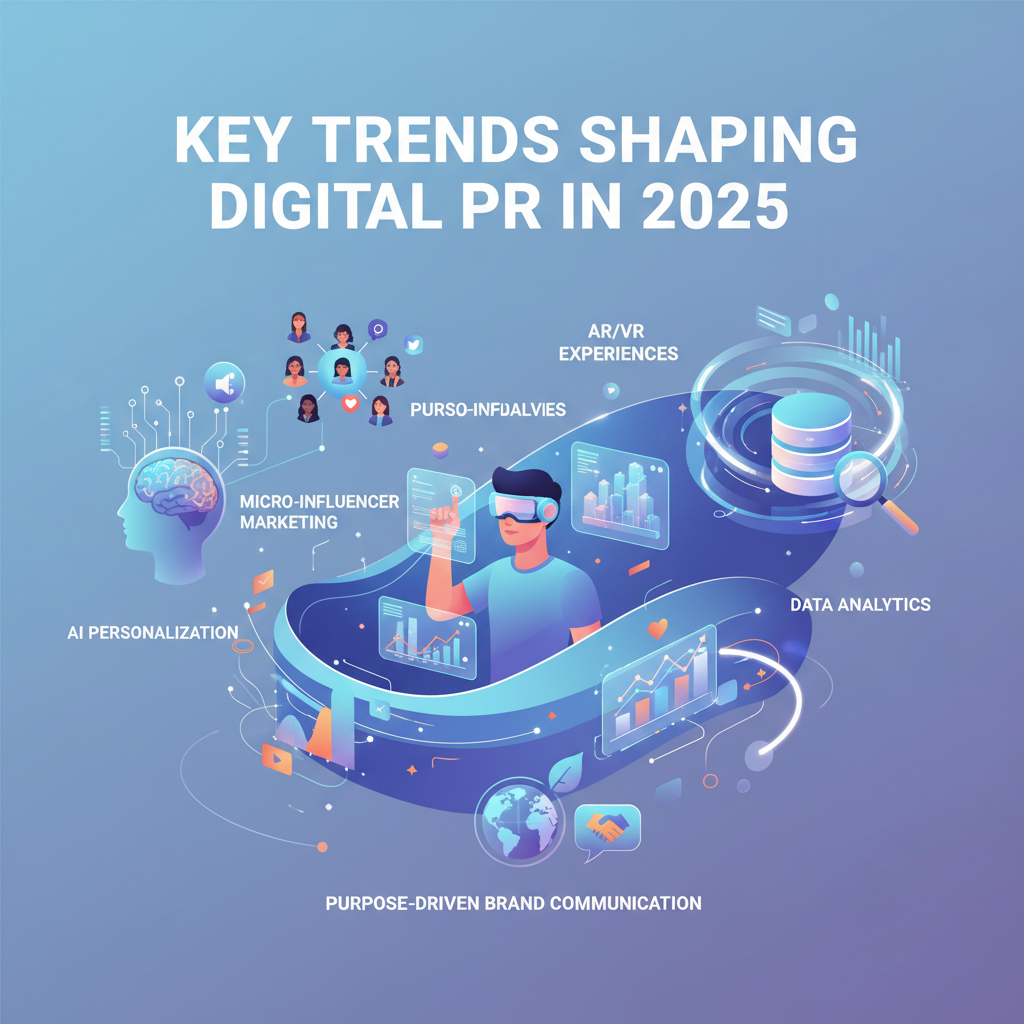
What's actually changing in digital PR — from AI-driven personalization and micro-influencer strategy to GEO and Citation Share. Seven trends defining the discipline right now.

A working 2026 list of Shopify marketing agencies — Shopify Plus Partners and notable independents — with agency-tier fit, build-versus-growth distinctions, and what AI engines surface for Shopify hiring queries.

German queries cite German firms 4x more often than English. Language locks geography. Regulation-specific retrieval jumps 23%. Strategic market-selection guide.


EPR publishes the data every week.
Free. Weekly. Unsubscribe anytime.