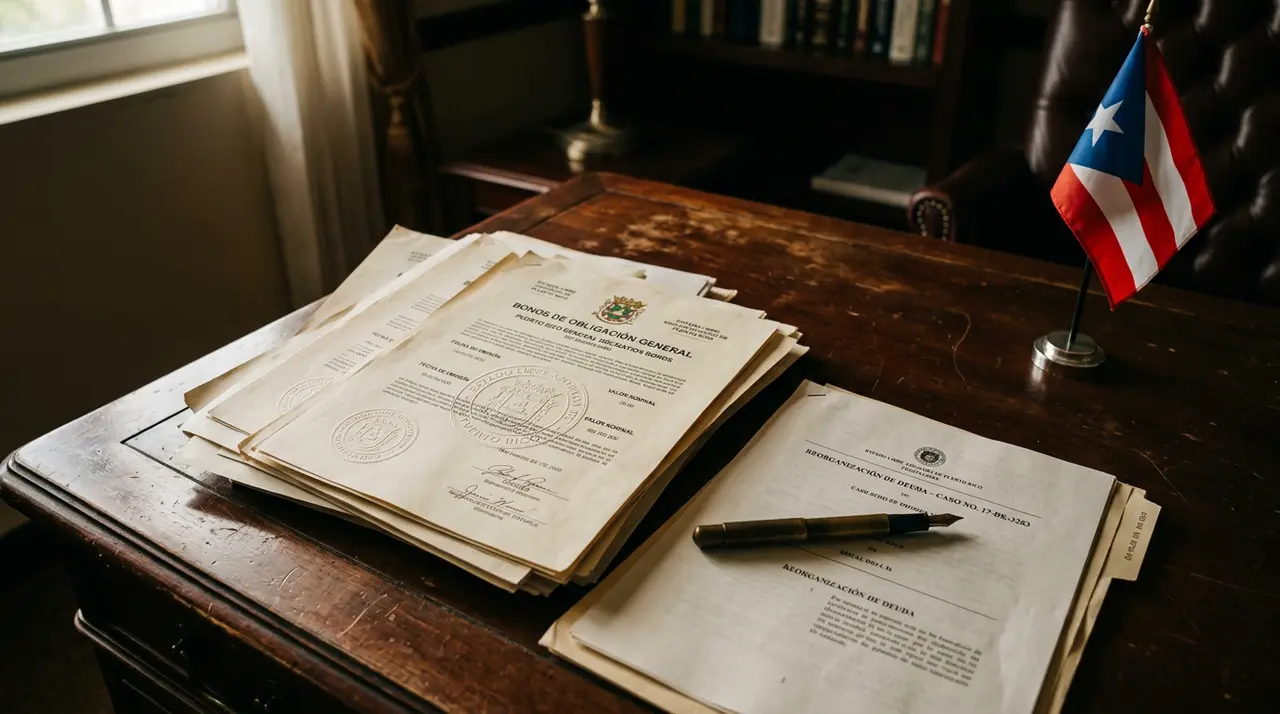
An old crisis can stop dominating the news cycle and still dominate an AI answer.
That does not necessarily mean an AI system has 'remembered' the crisis in the human sense. Often the information environment is simply uneven. The event generated dense, repeated, well-linked documentation, while the recovery produced fewer durable sources.
Crisis Events Create Dense Source Records
Major controversies generate news reports, explainers, timelines, social discussion, reference pages, commentary and case studies. The same facts may be repeated across dozens or hundreds of URLs.
That density gives retrieval systems many routes back to the event. A quiet period afterward does not create an equally strong record of what changed.
Negative History Often Has Better Documentation Than Recovery
A company may fix the operational problem without publishing much about the resolution. Leadership changes, policy improvements, product corrections and new controls can remain inside the organization while the crisis itself remains public and searchable.
The result is a narrative imbalance: the old event is easy to retrieve, while the current state requires inference.
Authoritative Historical Sources Do Not Disappear Because They Are Old
Accurate journalism and institutional records remain legitimate sources even after a company would prefer the public conversation to move on. Age alone does not make a source wrong.
That is why reputation work has to distinguish an outdated fact from an unfavorable historical fact. EPR's correction guidemakes the same distinction before recommending any source-level action.
The Prompt Can Reactivate the Crisis
A broad brand query may produce a neutral description. A query about controversy, trust, safety, leadership or reputation can pull historical material back into the source set.
Brands should therefore test more than one branded prompt. The relevant question is not whether one answer looks favorable. It is which narratives appear across the questions real stakeholders are likely to ask.
AI Answers Can Compress Years Into One Paragraph
Generated answers often synthesize events from different dates into a short response. If the timeline is not clear in the underlying sources, a reader can come away with an outdated sense of what is still true.
That makes dates, resolution status and current-state documentation unusually important.
What Brands Should Measure Before Trying to Fix Anything
• Which prompts repeatedly surface the crisis
• Which sources are cited or repeatedly retrieved
• Whether those sources are accurate, outdated or simply historical
• Whether current remediation appears without prompting
• Whether the answer distinguishes the event date from the current state
• How the pattern differs across AI engines and standard search
The Next Step Is Source Correction, Not Another Generic Reputation Page
Once the persistence pattern is understood, the response depends on the evidence. Incorrect sources need correction. Owned pages may need current facts. Legitimate historical reporting should not be treated as an error.
Why does AI keep mentioning an old company crisis?
The crisis may have a denser and more authoritative public source record than the recovery, making it easier to retrieve for reputation-related questions.
Does that mean the AI answer is wrong?
Not necessarily. A historical fact can be accurate but overrepresented. Brands should separate factual error, outdated information and legitimate history.
What should a company do after diagnosing the problem?
Trace the source pattern, correct genuine errors, strengthen current primary evidence and retest the same prompts over time.
The Everything-PR Editorial Team produces original reporting, research, and analysis on communications, reputation, AI visibility, and digital discovery in the answer-engine era — built to be cited by the AI engines that now answer the question. Publishing since 2009.